
Dialogue
Honest Questions about Race for Fellow Disciples
An open letter to Pro-CRT Latter-day Saints at BYU and beyond—inviting a good-faith dialogue that honestly engages some of our meaningful disagreements.

An open letter to Pro-CRT Latter-day Saints at BYU and beyond—inviting a good-faith dialogue that honestly engages some of our meaningful disagreements.

In an increasingly divided world there is one thing that we can consistently unite around: our love for our planet.

Many commentators feigned shock with the recent Huntsman lawsuit. They shouldn’t be. Similar “publicity stunt” lawsuits have been going on for a long time.

“Murder Among the Mormons” highlights how Mark Hofmann perpetuated a narrative about transparency in The Church of Jesus Christ. Though Hofmann was stopped, that problematic narrative lingers.
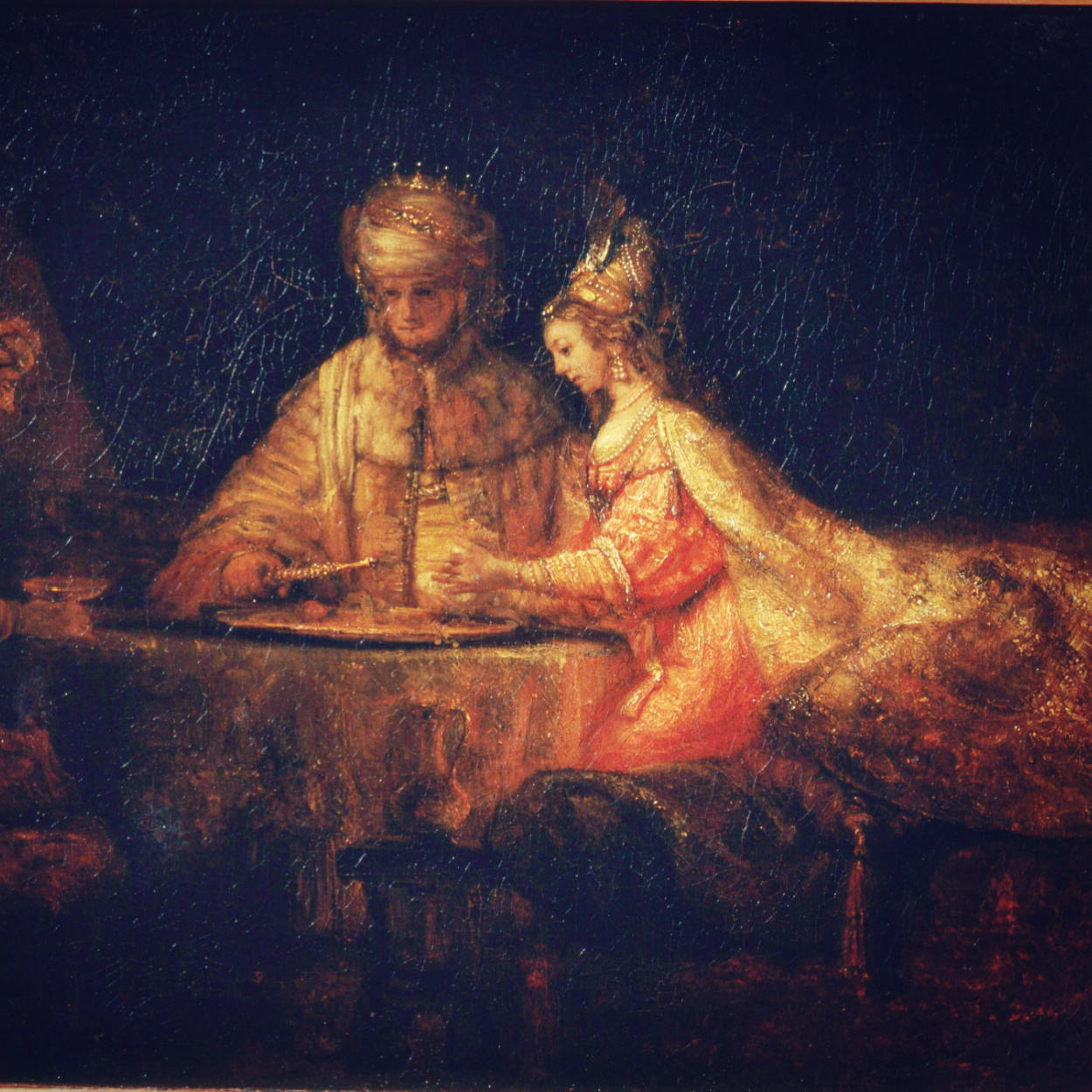
The Jewish holiday of Purim honors Queen Esther, who risked the wrath of her Persian husband-king to save her people. This essay is a tribute to women who have risked much to witness both anciently and in our day.
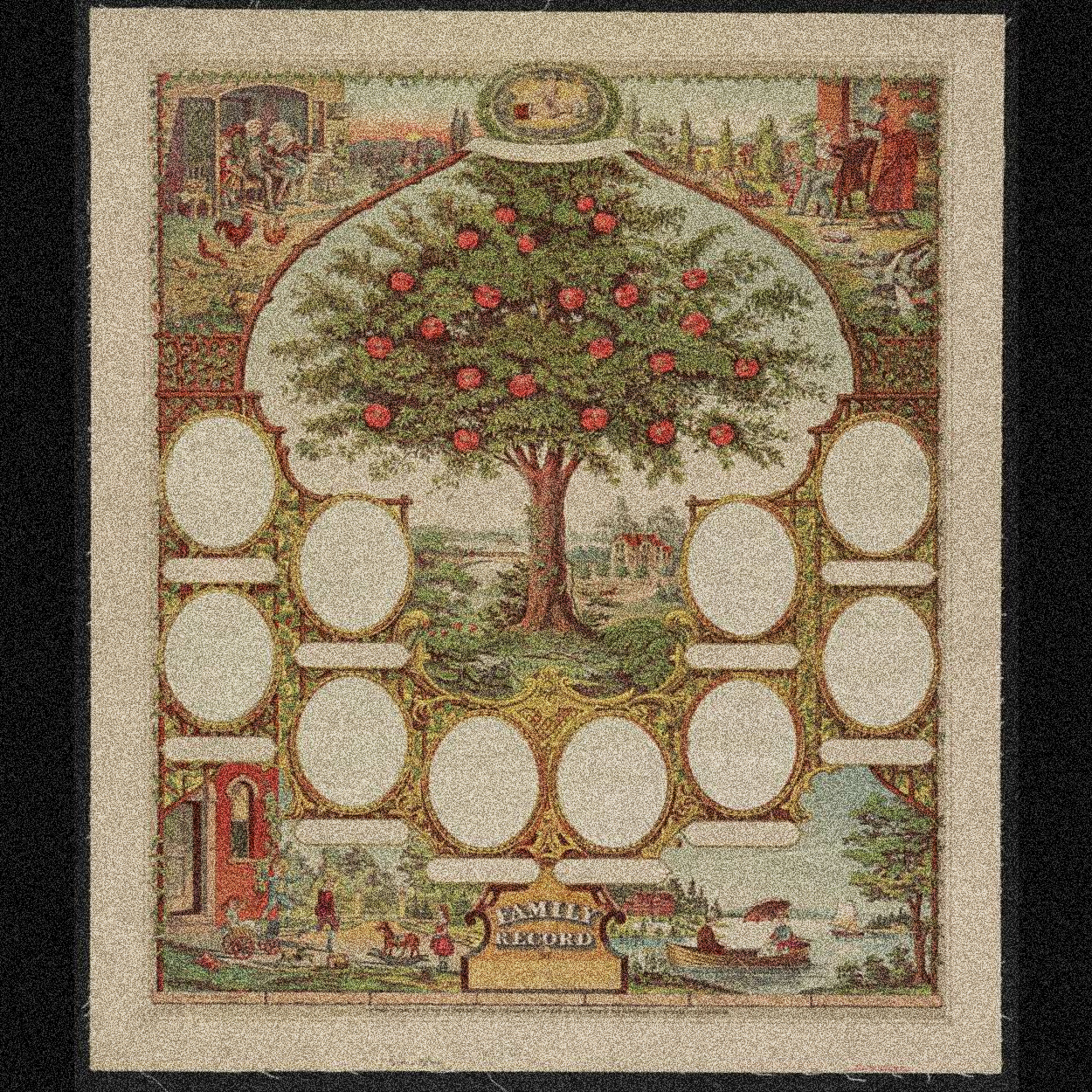
An institutional lens is useful for thinking about Israel as the unfolding “Kingdom of God,” since it is a durable, multifaceted social structure that has been important for thousands of years.

Since the publication of “Latter-day Saint Radical Orthodoxy: A Manifesto,” a number of questions and concerns have arisen. I respond here to a few of the more prominent ones.
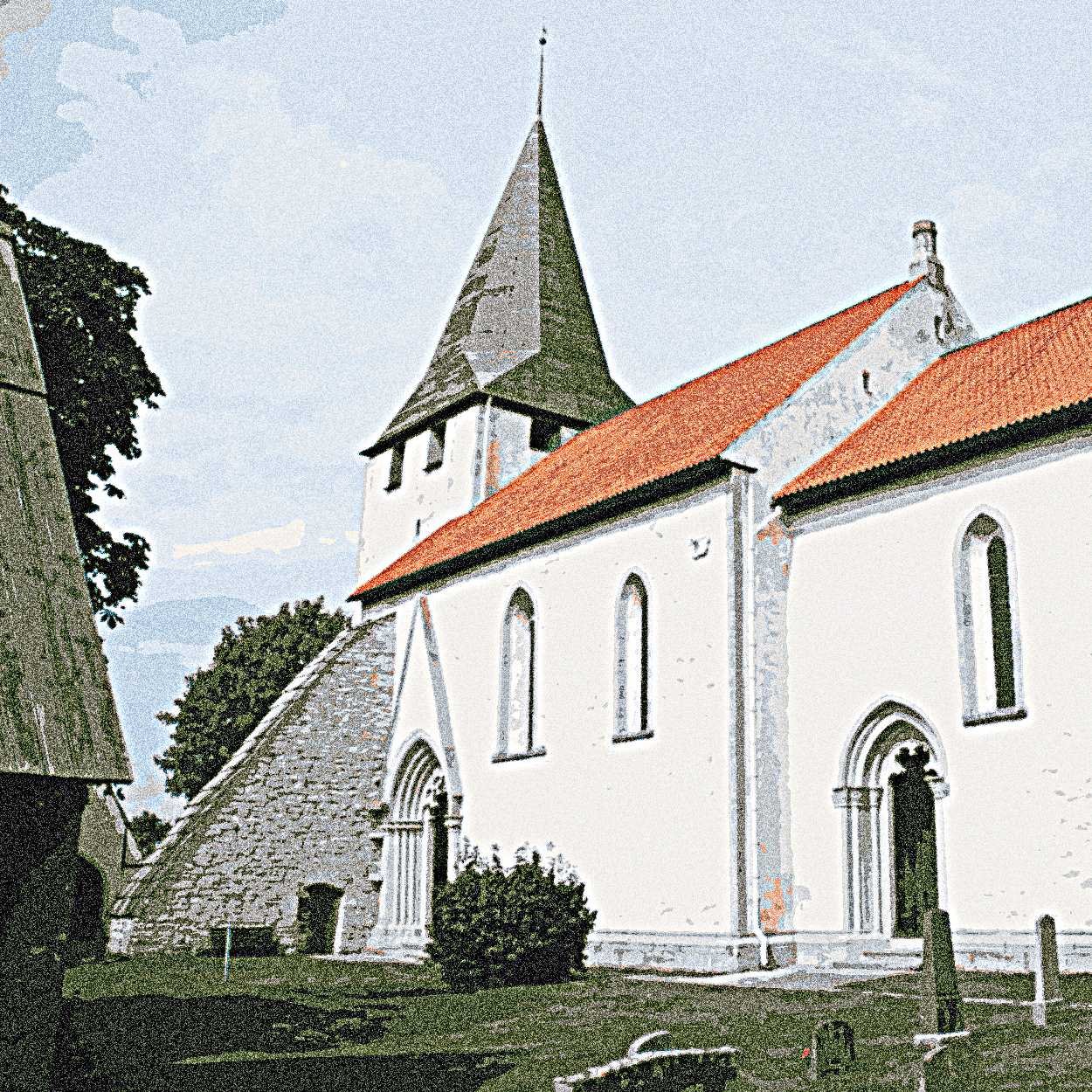
With a new year comes a new focus of study for Latter-day Saints—and an opportunity to think more expansively about what “the Church” is.

A recently released so-called “Radical Orthodoxy Manifesto” has made some waves. But what exactly does it mean?
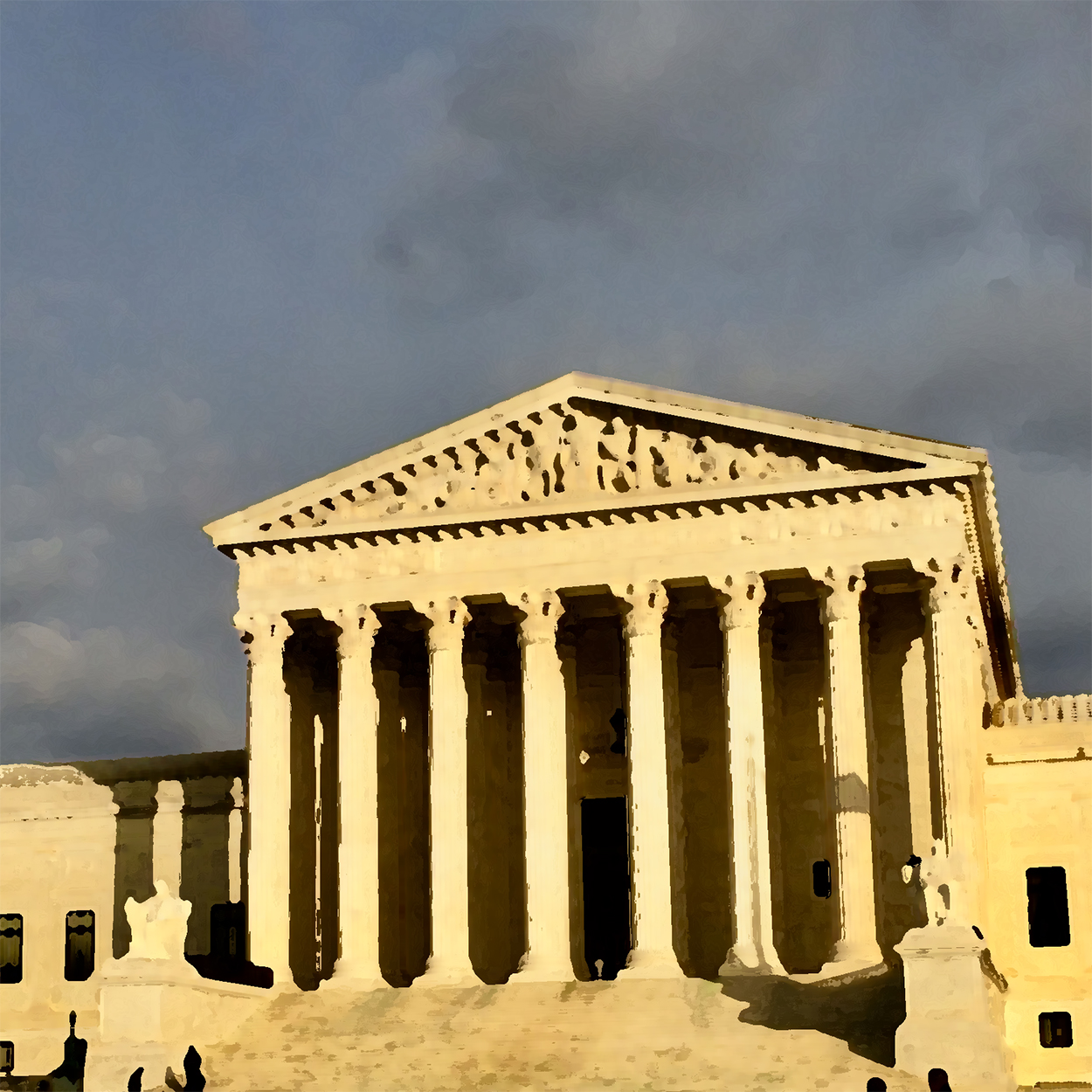
The recent Supreme Court opinion Tanzin v. Tanvir allows those harmed when their religious freedom was violated to seek monetary damages. This case plays a pivotal role in the effort towards restoring religious freedoms.

While the afterlife is often seen in pop culture, the premortality is seen much less. Why? And why does the subject remain so irresistible to artists?
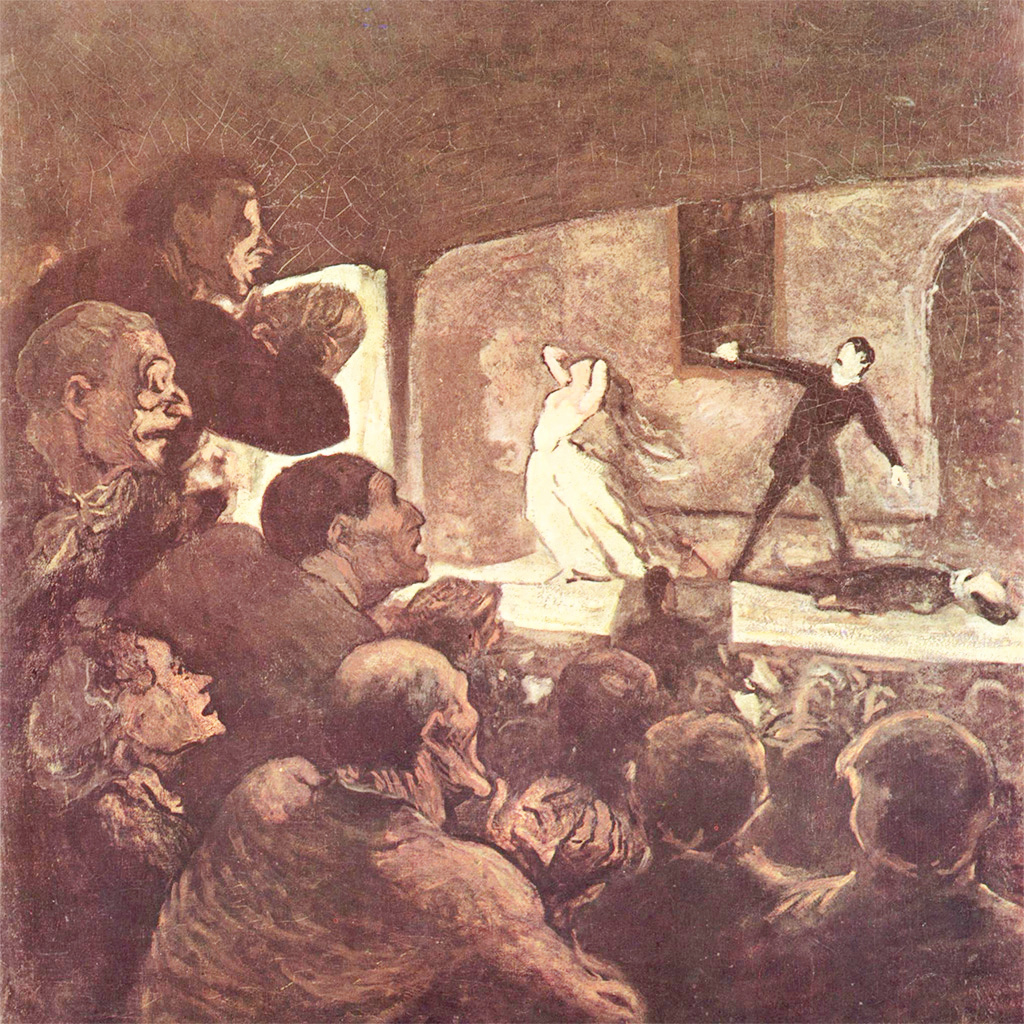
McKay Coppins’ recent Atlantic feature on the church noted a tension among Latter-day Saints trying to authentically live their faith while fitting into a culture that rejects them. Should we expect Latter-day Saint historians to be able to avoid that same challenge?