Election Aftermath
Disagreement is Not Disunion
The inauguration of our new president is almost a week old. There’s one especially striking moment from his speech that can’t and shouldn’t yet slip from our memories.

The inauguration of our new president is almost a week old. There’s one especially striking moment from his speech that can’t and shouldn’t yet slip from our memories.
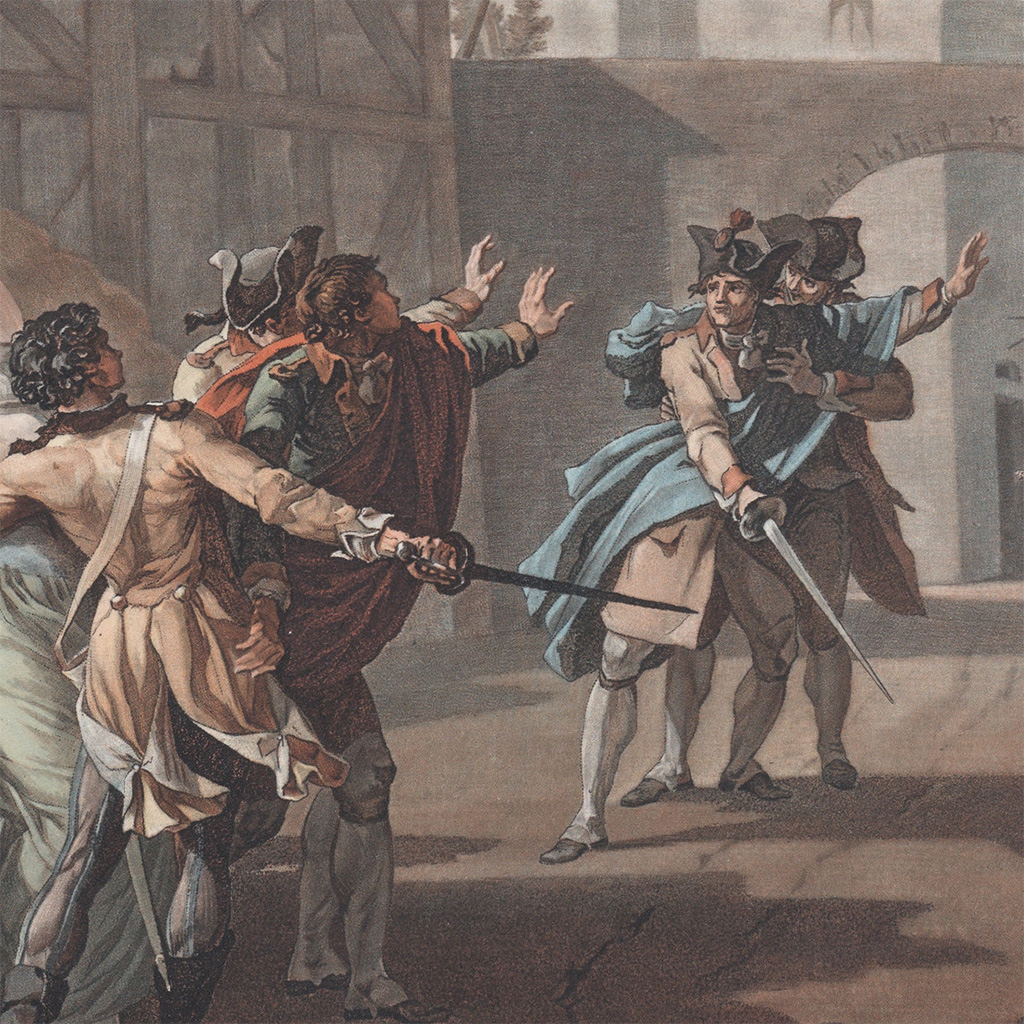
The basic bargain of democracy is that citizens mutually forswear political violence.
In our heightened political times, it is crucial to have the skills to heal the wounds of conflict. Here’s how.
In response to a critique, we are seeing a tendency across the political spectrum to answer with insistence on the greater immorality of those raising the concern – “WHAT ABOUT that [awful thing]”? Here’s why that’s so destructive.
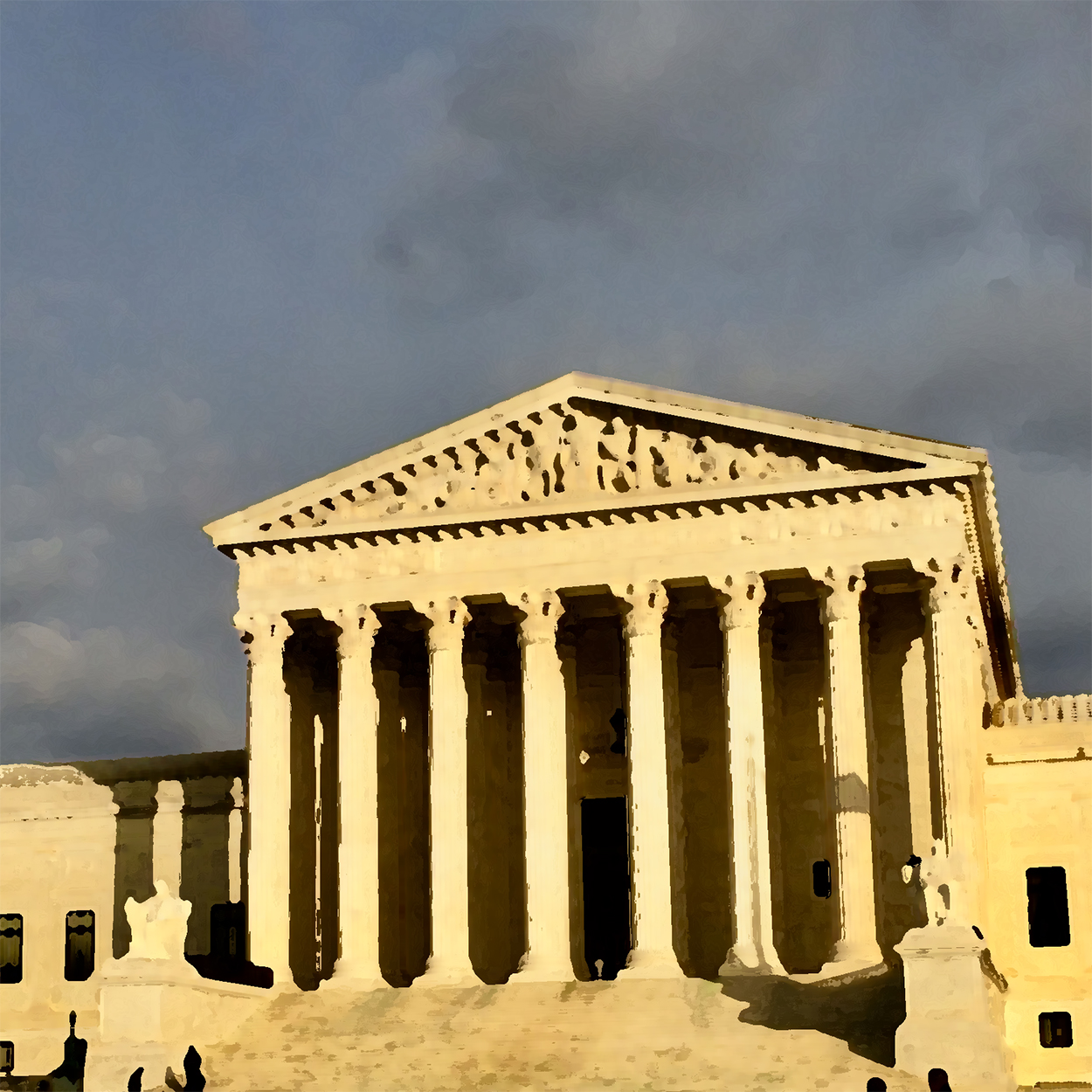
The recent Supreme Court opinion Tanzin v. Tanvir allows those harmed when their religious freedom was violated to seek monetary damages. This case plays a pivotal role in the effort towards restoring religious freedoms.
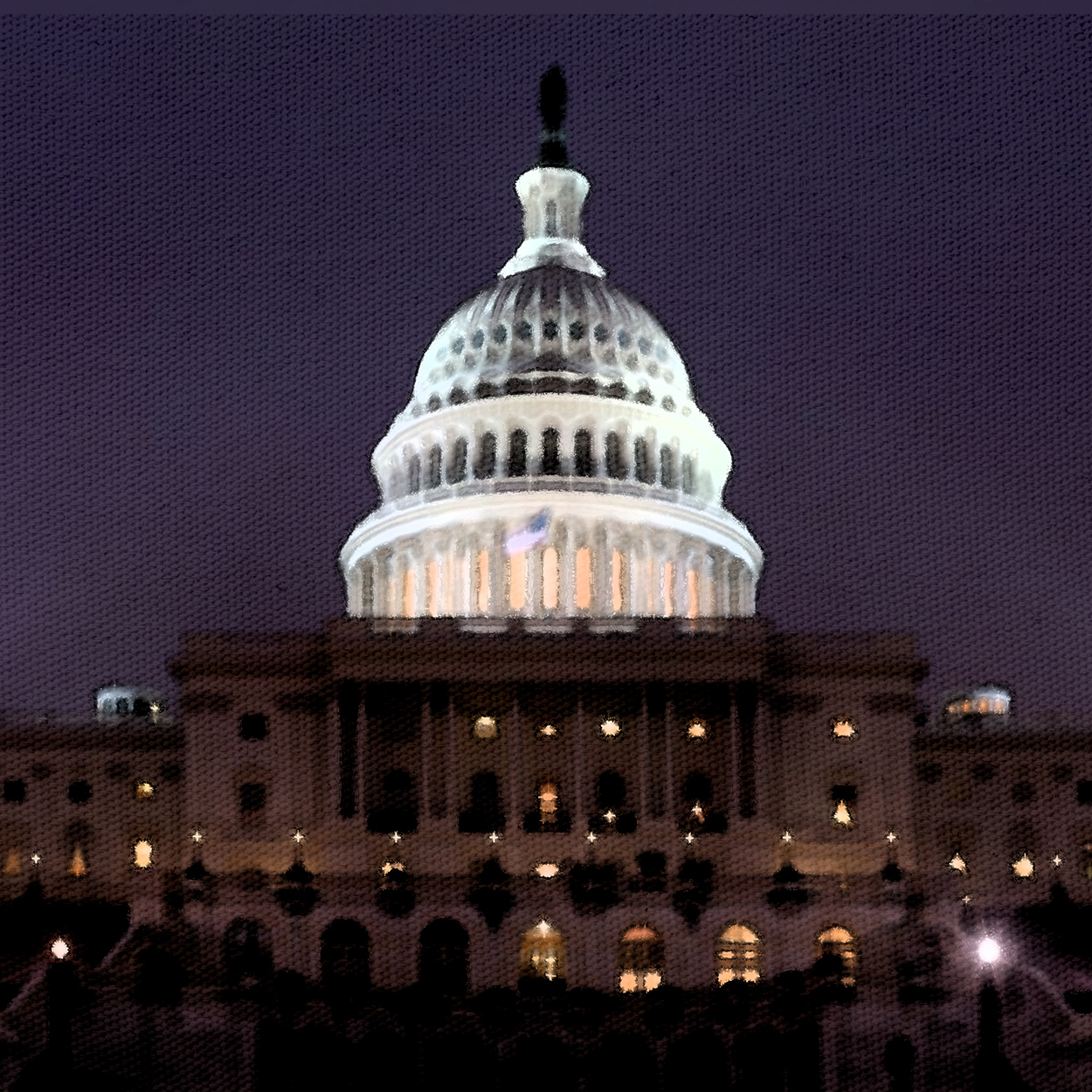
The forces of contention may have just escalated to a new and even more feverish pitch as a result of the election disputes and the breach of the Capitol building in Washington.
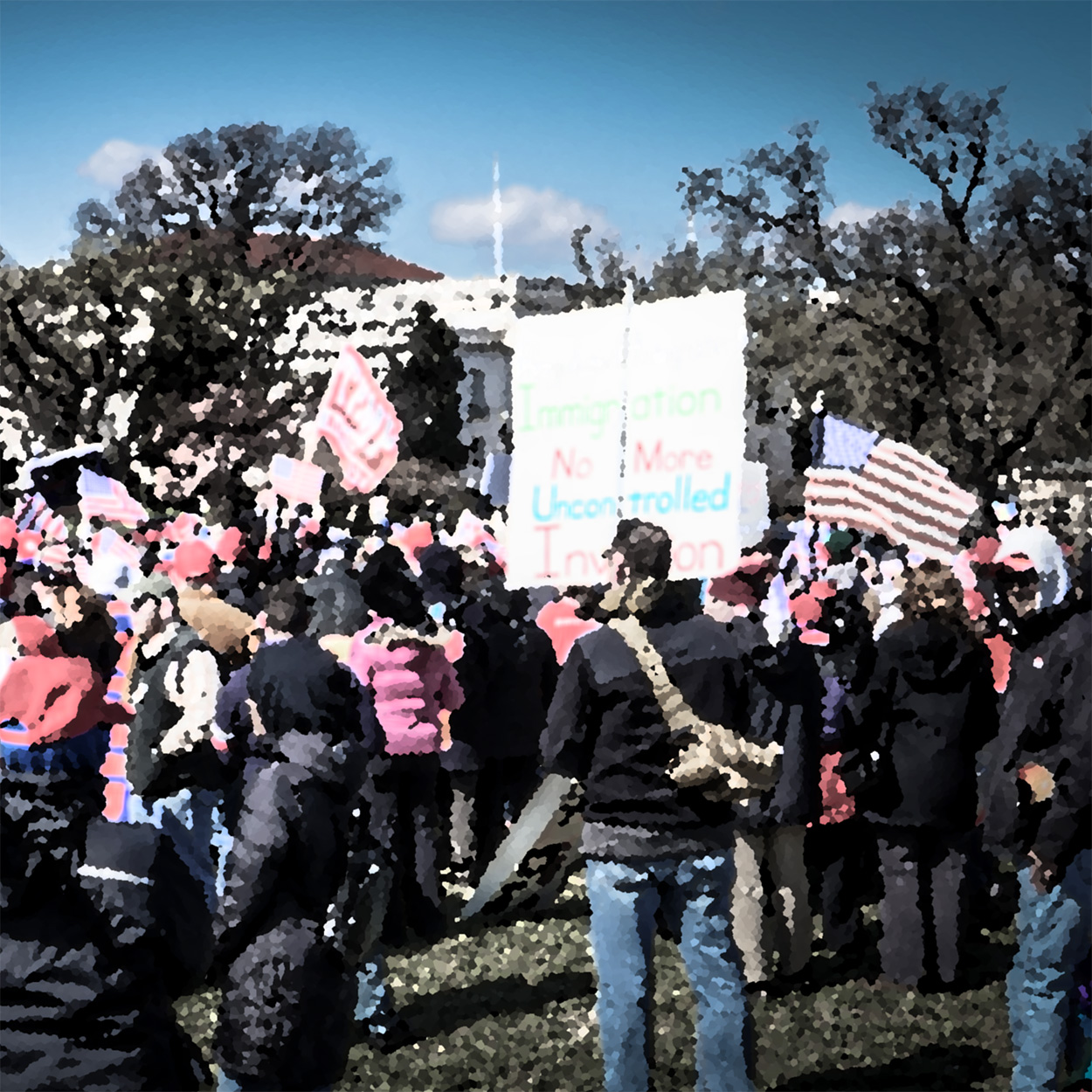
If it’s true yesterday “did not reflect the core of who we are as Americans,” the siege of our nation’s capital does say something about who many of us are becoming. Is this just another step on a downward spiral, or could it become a legitimate turning point for our nation’s trajectory?
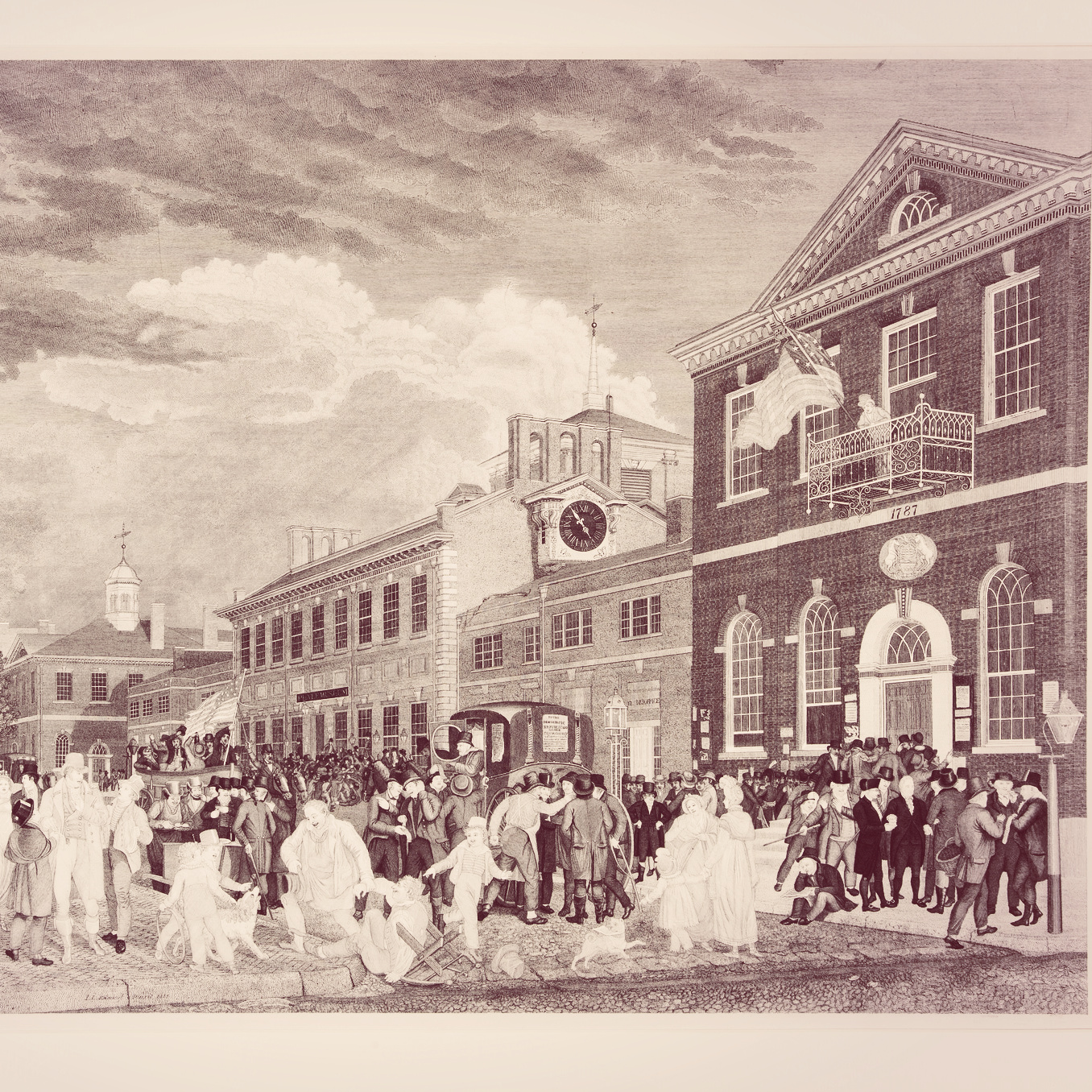
Disagreements over the integrity of our recent presidential election don’t appear to be going away anytime soon. In such a heated atmosphere, there is remarkably little comprehension (on either side) as to the nuances of their opponents’ actual beliefs. That’s where a map like this might just come in handy.

Much has been said about rescinding “Section 230.” What is this? And how does it affect the Church of Jesus Christ of Latter-day Saints?
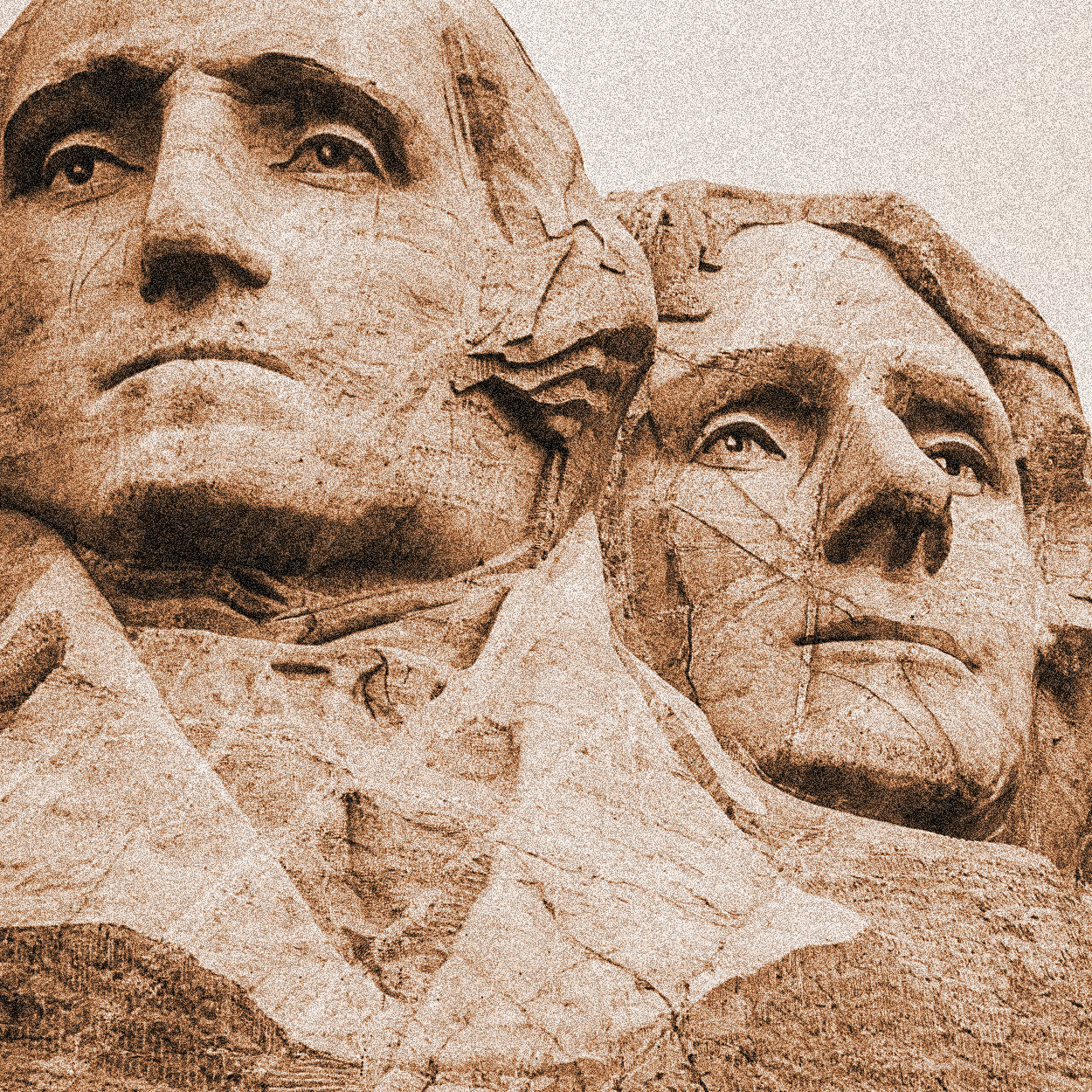
“Exceptionalism” in reference to America has become, in many circles, a dirty word. This is a fresh look at why it shouldn’t be.
Partisans on both sides were seized upon by the urgency of picking their candidate for President—with everyone else encouraged to join the fray. Is that really the most important choice we just faced?
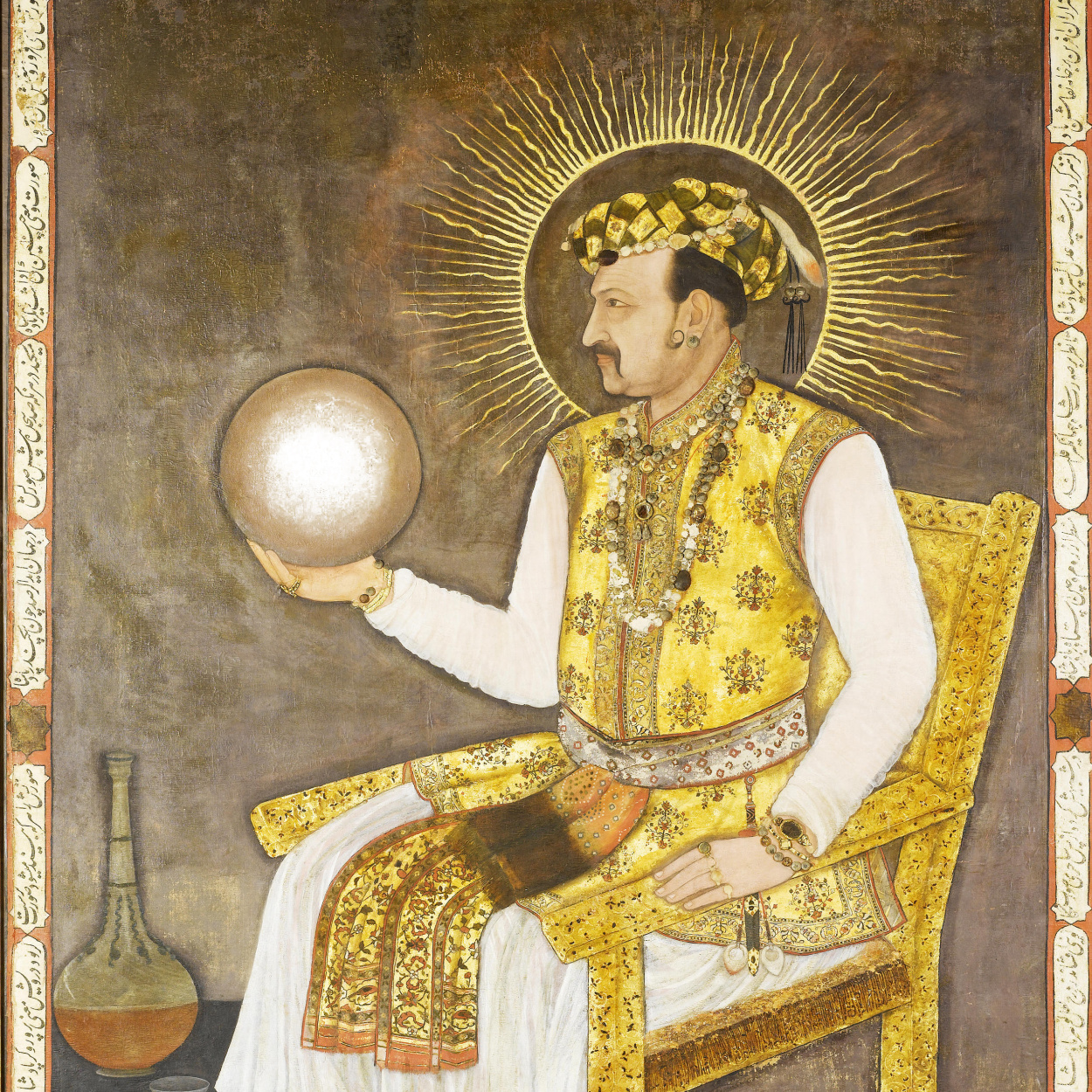
From Mughal India to modern America, the moral stakes of politics never really change.