Faith
The Price of the Next Bet
Gambling puts more than money at risk. It can reshape our appetites, weaken agency, and redirect our lives.

Gambling puts more than money at risk. It can reshape our appetites, weaken agency, and redirect our lives.

A faith crisis can expose deeper assumptions. Walker Wright examines the foundations that make belief possible.
The spiritual impact of tithing reaches beyond budgets, investment returns, and promises of material prosperity.

Latter-day Saints stand out for volunteering and social trust in Pew’s new portrait of American religious life.
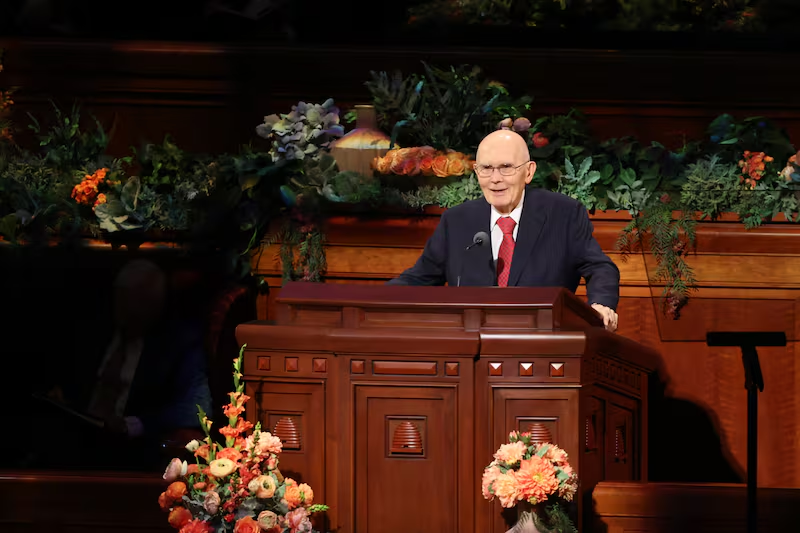
Conference called us to trust Christ with unfinished stories, seek spiritual quiet, and honor our covenants.
Christian discipleship asks us to serve our neighbors even when they misunderstand our faith.
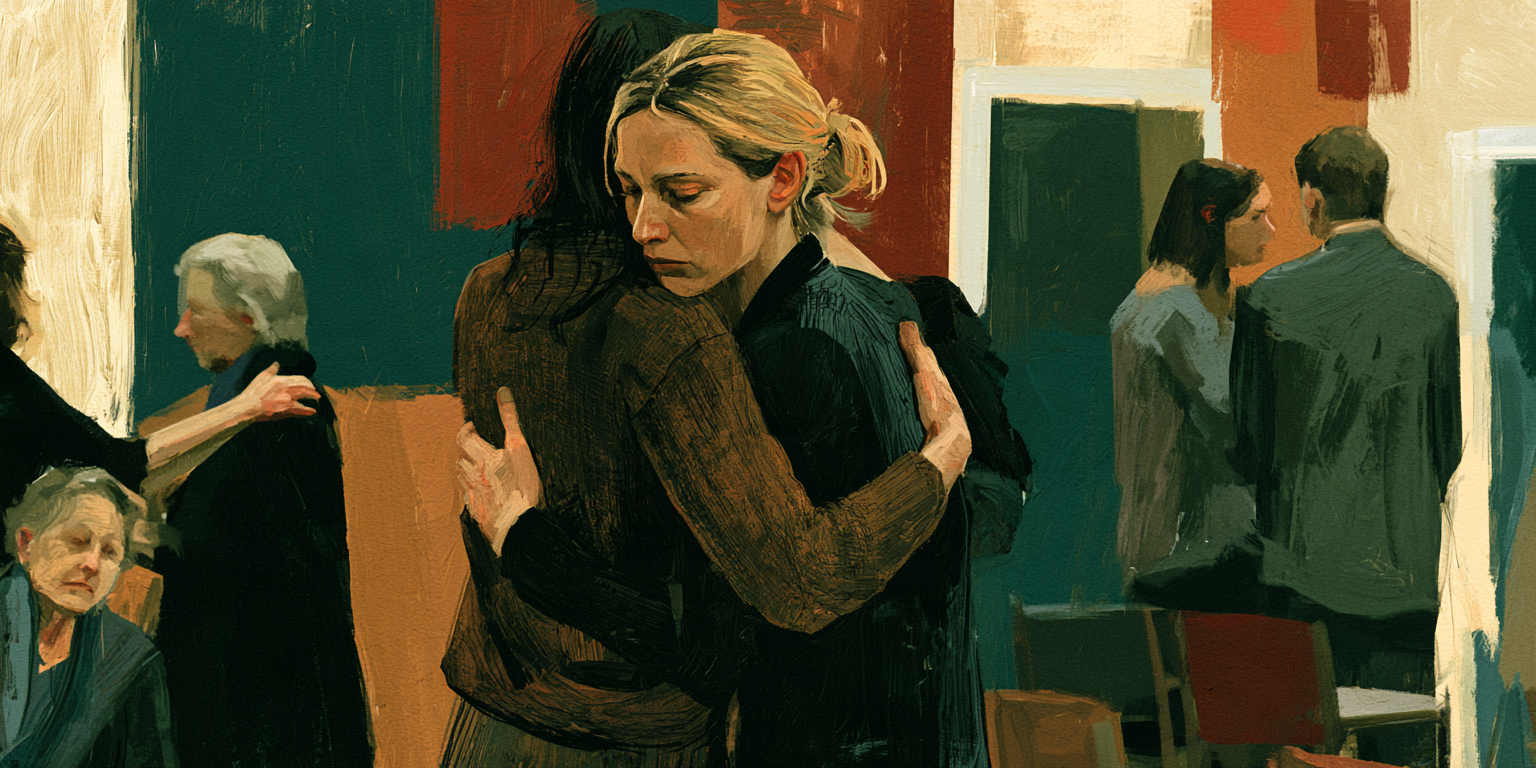
A year after violence shattered their Sunday worship, two survivors describe the slow work of healing with Christ.

General Conference offers six months of spiritual direction, not one weekend of impossible expectations.

Strong marriages depend on more than sexual exclusivity; they are sustained by a commitment to the “twin virtues” of fidelity and integrity.

Families of faith find courage to forgive through prayer, humility, apology, and a larger view of their relationships.
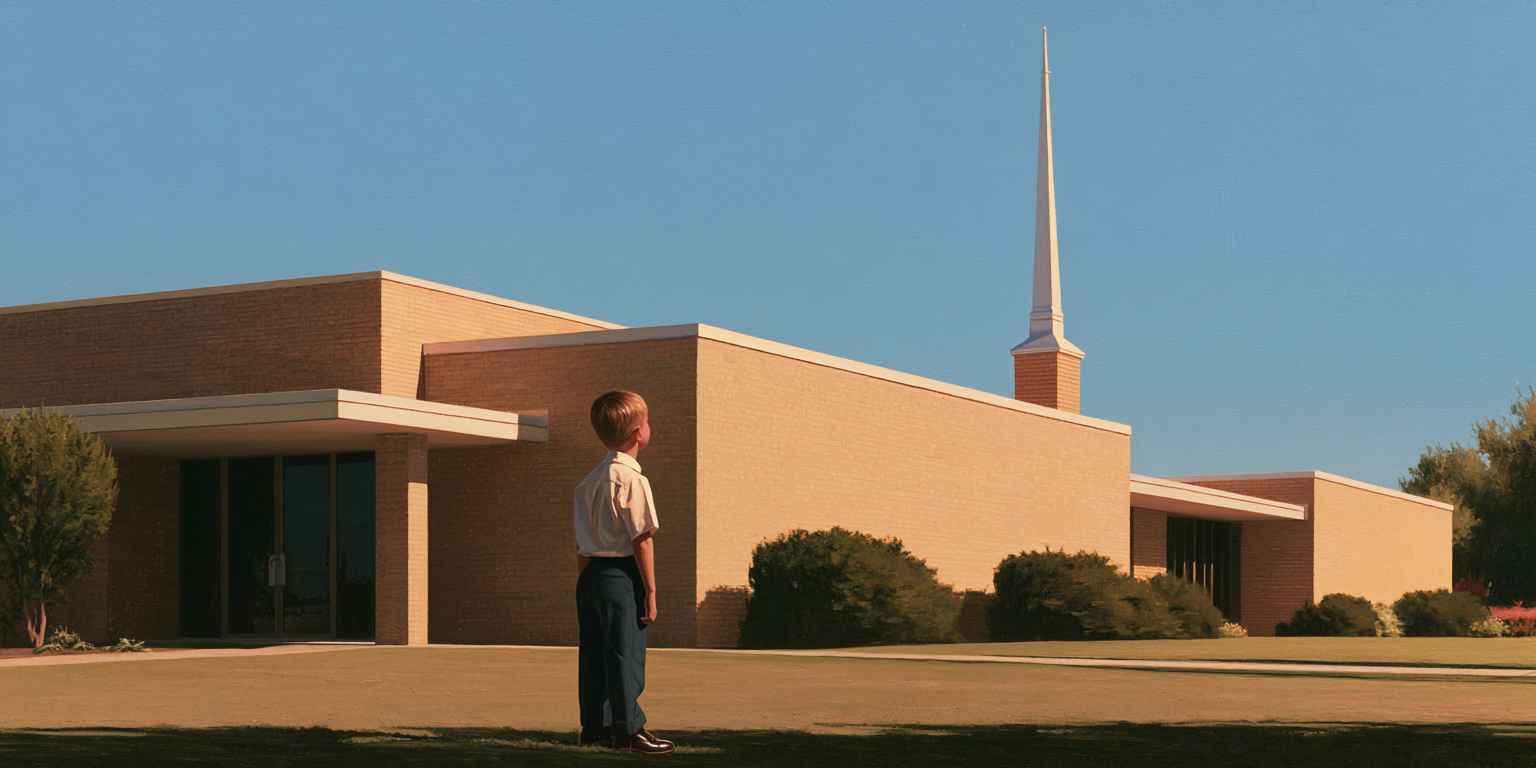
Church steeples turn sacred architecture into an invitation to lift the eyes, the mind, and the heart toward God.
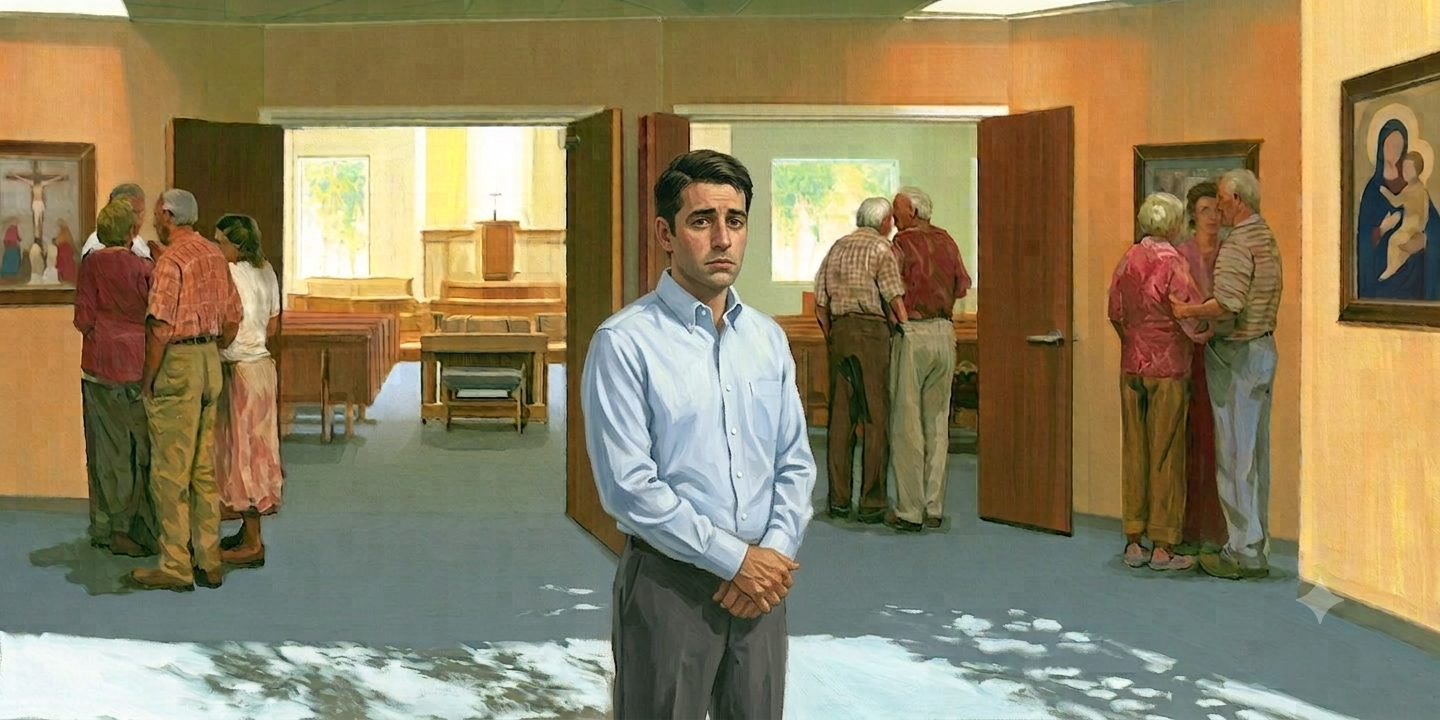
Insecurity can make ordinary social cues feel like condemnation, especially among people striving toward shared ideals.