Politics & Law
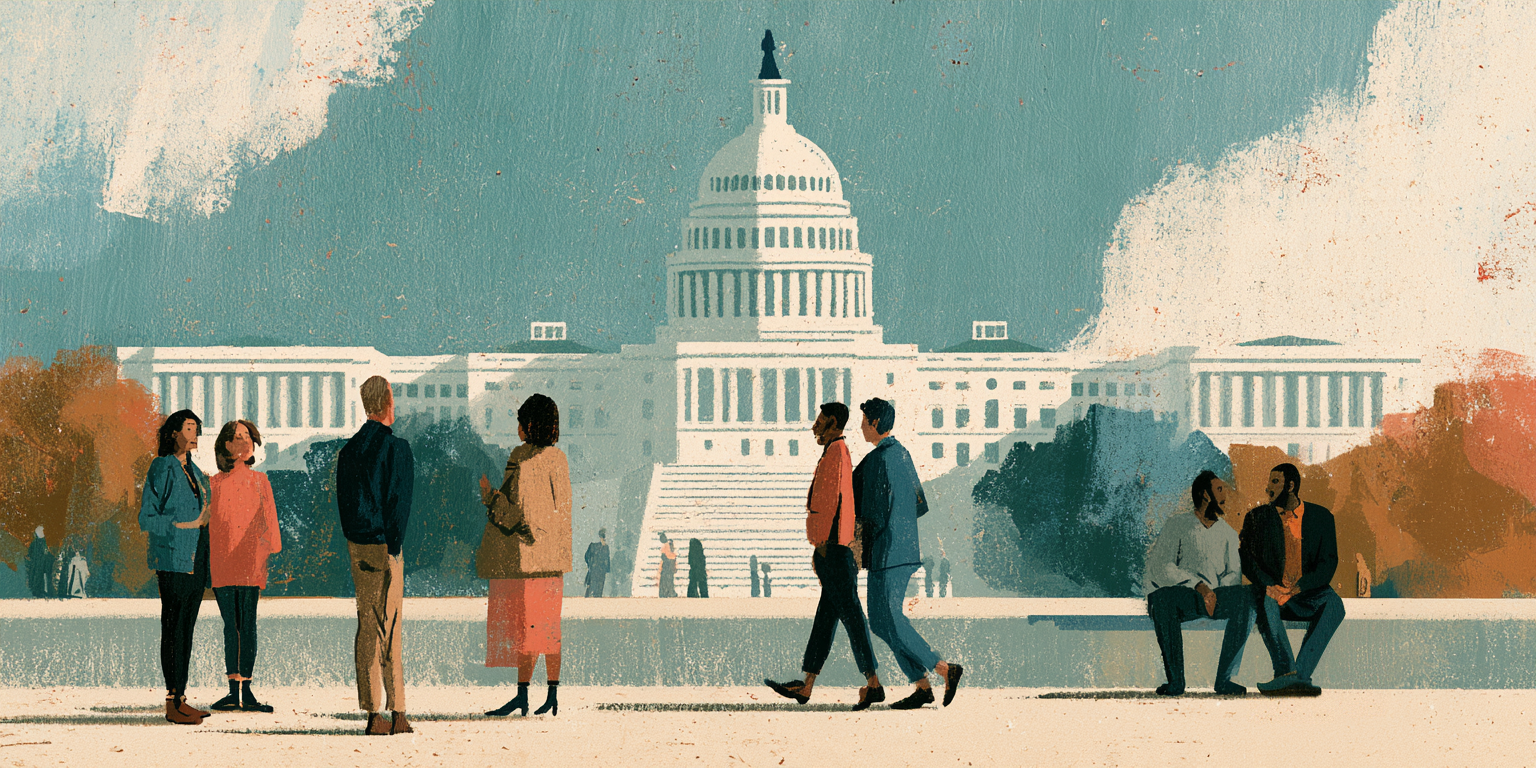
The Republic Relies on Restraint
Defending the Constitution requires more than conviction. Are you willing to moderate on important issues for the sake of the country?

Defending the Constitution requires more than conviction. Are you willing to moderate on important issues for the sake of the country?

Critics overlook decades of legal advocacy and global dialogue supporting believers far beyond the Church’s own membership.

The Perpetual Emigrating Fund offers a moral model for sustaining America’s current refugee admissions program.

From Proposition 8 to the Respect for Marriage Act, the Church’s approach to religious freedom seeks to preserve both moral choice and its fundamental beliefs.
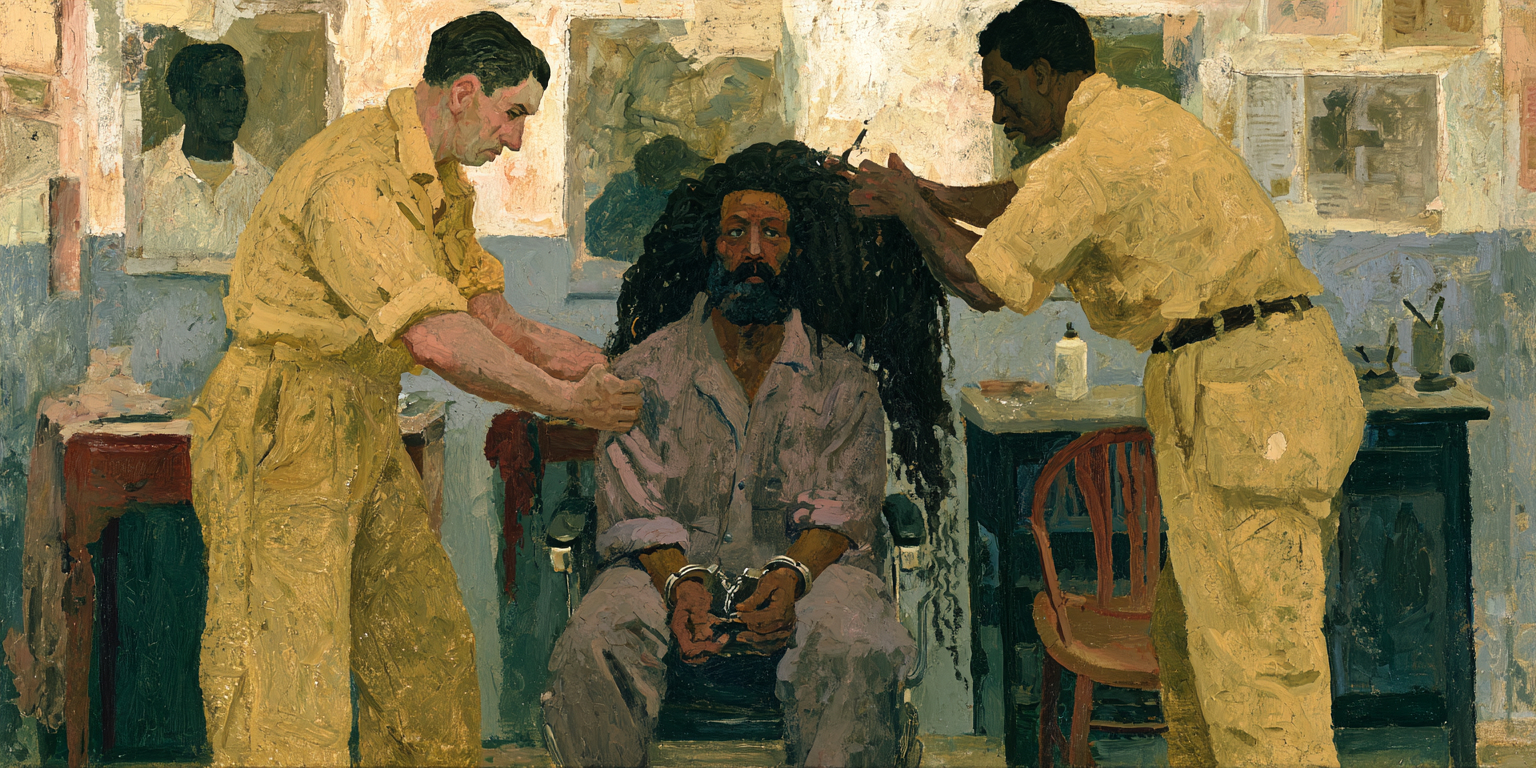
RLUIPA means little for prisoners of faith when violations of conscience carry no real consequence.

America’s 250th anniversary calls Latter-day Saints to honor an inspired founding while defending liberty for all.

International religious freedom expert and Uyghur advocate Nury Turkel discusses why prayer, policy, and consumer choices still matter in the face of genocide.

The July 5 fast provides an opportunity to turn gratitude into global petitions for conscience, courage, and compassion.

True religious freedom asks more of believers than slogans, flags, or partisan reflexes.

Centuries of religious persecution shaped our nation’s bold experiment to constitutionally protect religious liberty.

The Princeton legal scholar’s grassroots movement invites Americans to renew commitments to God, family, country, and community.
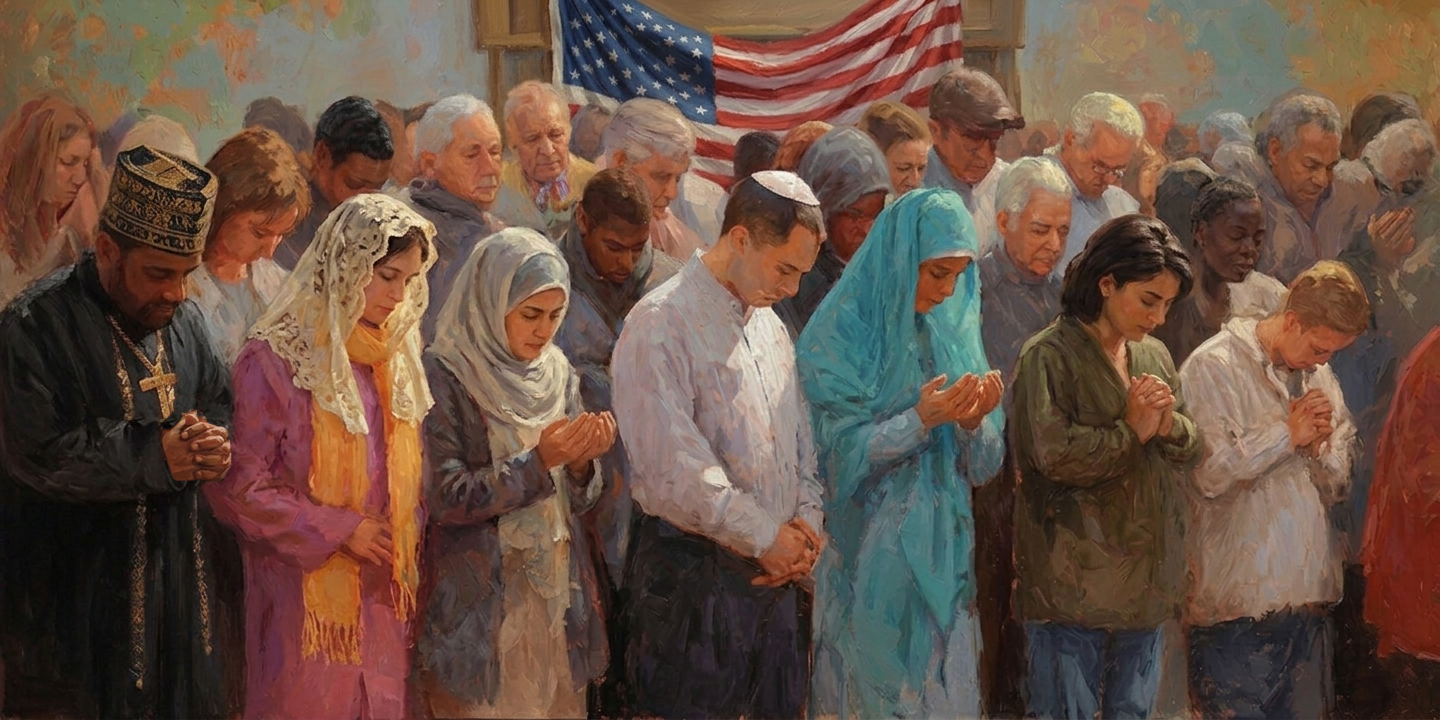
Latter-day Saints defend religious liberty not as a privilege for themselves, but as a doctrine for all humanity.