
Sexual Abuse
I Know How to Lower Church Abuse Rates by 75%
What causes lower abuse rates among Latter-day Saints? Geographic organization, focus on family, and female involvement create a safer environment.

What causes lower abuse rates among Latter-day Saints? Geographic organization, focus on family, and female involvement create a safer environment.
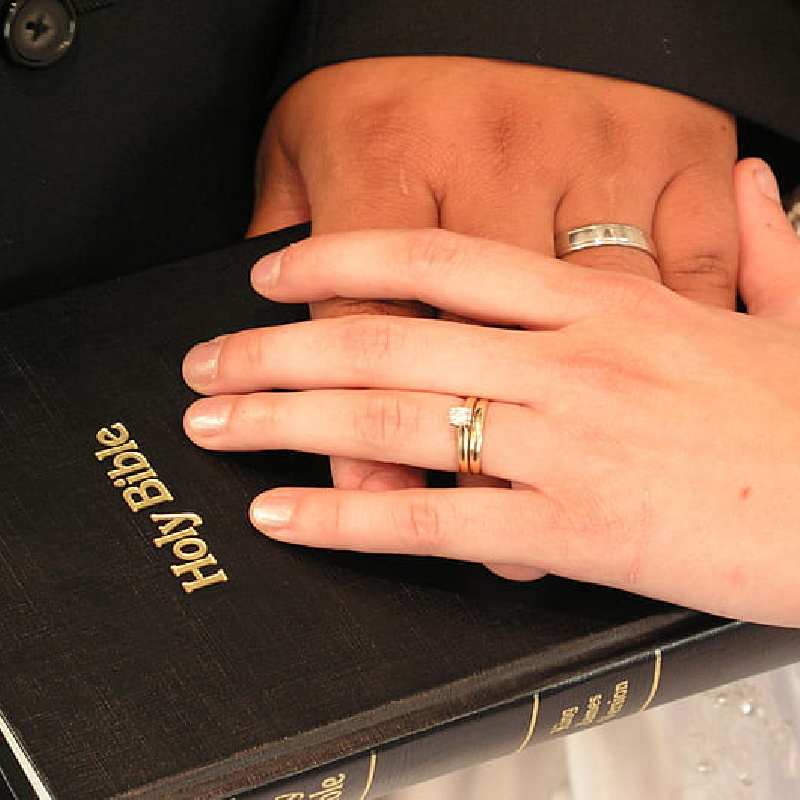
Unmasking the modern perception of marital fidelity, this comprehensive study brings to light the deep-seated fears of emerging adults, the profound impact of trust, and the enduring promise of faith in cultivating and maintaining faithful marriages.

Are Latter-day Saints more likely to abuse kids? Through statistical analysis of the BSA abuse case, we have our first data-supported answer to the question.

How do the teachings of the Church of Jesus Christ help members compassionately support LGBT+ Saints, address pride events, and offer guidance for meaningful dialogue and understanding?

Can a ‘Fidelity Month’ revive societal values and mend our disconnected world? Discover the compelling vision of renowned scholar Robert P. George.

Explore how Latter-day Saint women are making waves in global maternal advocacy—and uncover the keys behind their success that create a model for the global community.
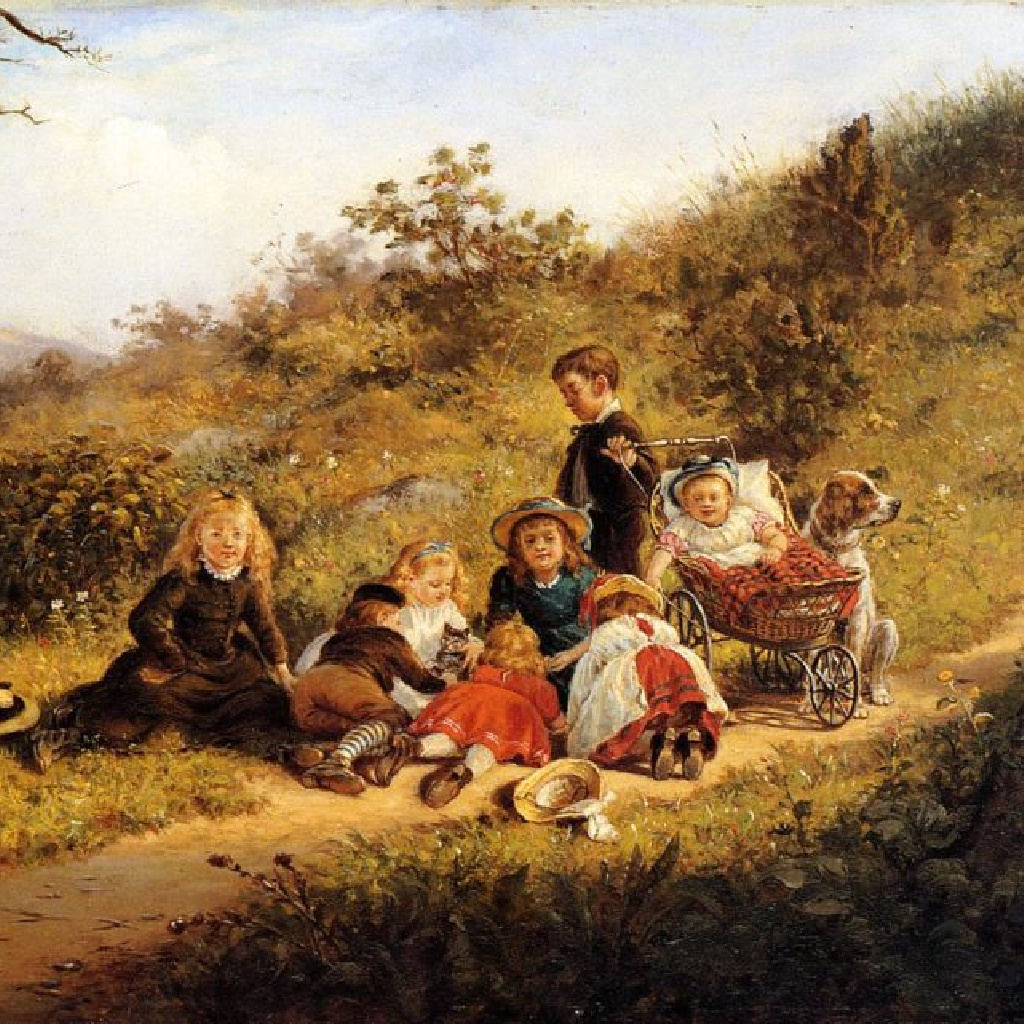
What happens when we stop making new people? Learn about the impact of anti-population attitudes and the benefits of parenting for happiness and fulfillment.

Netflix’s Money Shot: The PornHub Story delves into the world’s most popular porn site. But is it truly a balanced view, or does it ignore the voices of those most harmed by pornography?

Compared to that activist down the street, do President Dallin Oaks and other faith leaders really love you? That probably depends on how you define “love.”

A response to Patrick Mason on gender and sexuality, with suggested readings for those unfamiliar with the robust rationale for Biblical marriage provided by Latter-day Saints and many scholars.

Even the best of motives do not allow us to change the commandments or remove the crosses of others.

It’s been easy for people to misinterpret the Church’s support of the Respect for Marriage Act. Greater awareness about the difficult cultural atmosphere believers find themselves in might help.