Racial Healing
How Latter-day Saint Doctrine Confronts America’s Racial Divide
Three years ago, Dallin H. Oaks gave a stirring denunciation of racism. What are the theological implications three years on?

Three years ago, Dallin H. Oaks gave a stirring denunciation of racism. What are the theological implications three years on?
Can humanity conquer its divisions? Unity and deep compassion are essential for global healing

Journalists embrace X’s new identity but resist the Latter-day Saints’, showing disparate media treatment.
I can’t wait to watch Dune: Part Two with my kids. Dune: Part Two is so good it lodges itself (and retroactively lifts its predecessor) into the pantheon of great epic movie trilogies. Depending on whether or not the third and final installment can stick the landing, I suspect it will be spoken of in the same breath as Lord of The Rings, The Dark Knight, and Star Wars. Like the first two of those trilogies, however, the film is not right for young children. Dune deals with serious themes such as drug use, religion, violence, colonialism, gender, and terrorism. It does so in a way that avoids the overly simplistic explanations appropriate for younger kids, but that is honest and thought-provoking. The film provides easy access to difficult conversations with teens while telling a thrilling story, and adults will leave feeling satisfied and contemplative about some of the film’s broader implications. The film picks up in the aftermath of the Harkonnen’s capture of Arrakis from House Atreides, and Paul Atreides (Timothée Chalamet) taking a place among the local Freman. For a part two, the film is remarkably well contained with a clear beginning, middle, and end. I wouldn’t recommend coming into this film without watching the first, but if you did, you would certainly enjoy the story on its own merits. For Latter-day Saints, the film’s most poignant themes revolve around the nature and abuse of power. Among the Fremen, Paul is believed to be the Mahdi, a Messianic figure they expect will return them to control of their lands. Paul is torn between seeking vengeance for the defeat of his family and moving on by integrating into the Fremen society. The faction of Fremen who view Paul as the Mahdi complicates this by holding out the opportunity for the power he needs to seek out revenge. The ethics of how Paul wields that potential power are among the most potent themes of the film, one sure to be further explored in the trilogy’s final installment. The director, Denis Villeneuve, is in top form here. His shots are each expertly crafted art pieces on their own merits. They lend weight to the themes he’s exploring, and he weaves them together like a composer weaving together the themes of a symphony. He even includes an extended black-and-white motif that just works. You don’t even question it. The script is well paced. It never lags like sometimes happened in the first installment, but also gives plenty of space for its beats to breathe. It’s never confusing, but also doesn’t feel the need to over explain to its audience. Just as in the first film, the sci-fi is absurd—dragonfly-like helicopters, giant worms, and magic yelling. But the imagination here makes them feel completely authentic. You can’t help but buy in. Perhaps the most fun new element—riding the sandworms—is so thoughtfully considered it feels obvious, quite a feet for a film that wants you to buy the reality of riding a worm. Chalamet leads a stellar cast here that has added Florence Pugh, Christopher Walken, and Austen Butler. Butler in particular inhabits the grotesque Harkonnens in a way that feels both terrifying and authentic. As for the returning cast, Javier Bardem, Rebecca Ferguson, and Stellan Skarsgård are standouts. A lot of weight is put on Zendaya in this film and she is substantially up to the task. Dune: Part Two is a great story wrapped in a world class sensory experience executed by artisans at the top of their craft. It is certainly not a film for kids, but I imagine many parents connecting to their teens over it, and I would heartily endorse it to them. Five out of five stars.

Soaring costs and waning faith highlight higher ed’s crisis. How are students’ choices reflecting these problems?
Can temples justify their costs? What if those who built temples knew something that outside observers didn’t?
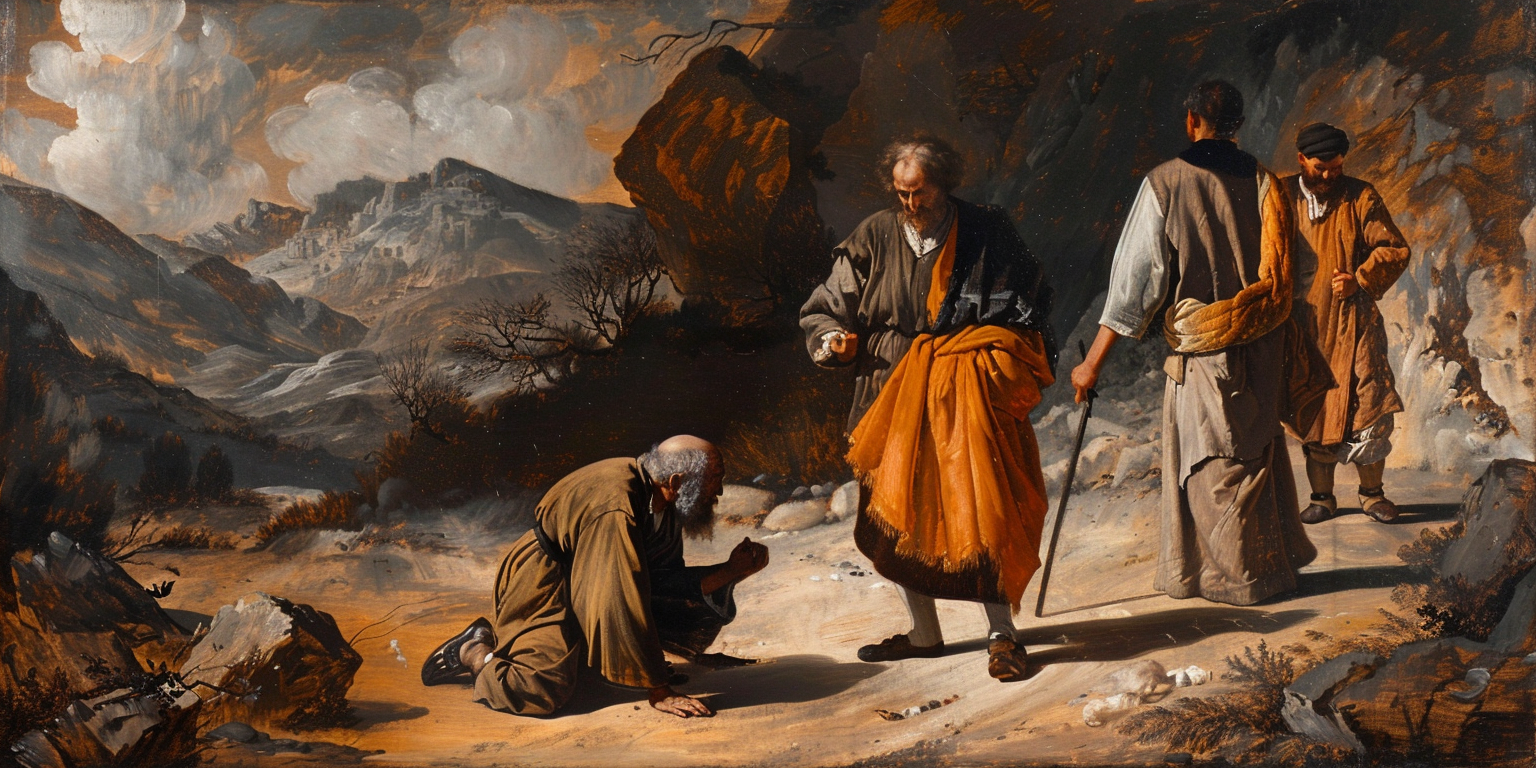
Humanitarianism versus Christianity: a critique of modern interpretations of the Good Samaritan in immigration debates.
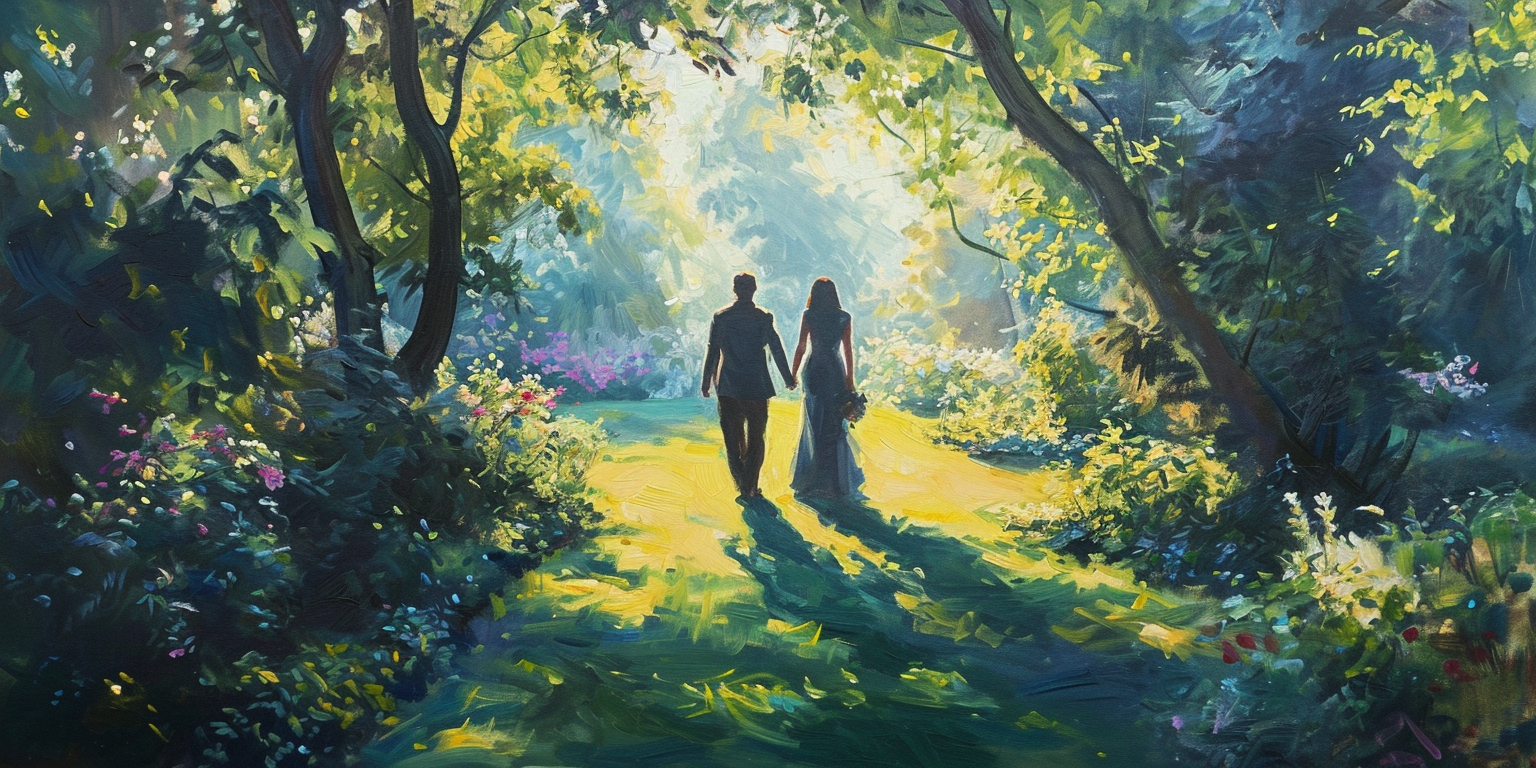
How does faith impact marriage? Studies reveal God as a central, unifying force in lasting unions.
Sony’s series of Spider-man adjacent films have mostly focused on anti-heroes. Since Spider-man, the hero, is by corporate necessity absent from these films they need to turn less than heroic characters into the protagonist. This doesn’t make those films bad, but it does make them more complicated, and not often the best fit for the teenaged kids that could otherwise most benefit from the superhero narrative of good vs. evil. In that respect, Madame Web is a welcome reprieve. This is an unabashed superhero origin story. And in many respects, it demonstrates the durability of the genre. Madame Webb owes much of its success to the animated Spider-verse films. Those films introduced audiences widely to the idea of multiple spider people, and in a recurring motif from the first film the basic beats that define those various spider people, and the near infinite variations those beats can take. Madame Webb hits each of those beats while toying with the formula enough to keep it interesting. The moral at the center of the film focuses on our ability to influence our futures. After a traumatic incident, Cassie discovers that she has precognition. At first she feels helpless to stop the future predicted in the visions. But when three innocent girls are about to be murdered by the villainous Ezekiel Sims she can’t stand by and is thrust into the role of protector. As the film reaches its climax, both Cassie and the three teenagers she protects learn to step up. And the film seems best suited to teens about their age and a little younger thirteen to sixteen. Dakota Johnson has the acting chops to anchor the film. She ably handles the expositional relationship building, the determined character develop, and the thriller action scenes. Sydney Sweeney, Isabel Merced, and Celeste O’Connor, who play the three teenagers each portray a character who will one day become Spider-woman in the comics. They never try to do too much, and always deliver when the film requires it. Adam Scott is also a standout as “Ben Parker” who spends much of the film excited to become an uncle. The villain, Sims is far and away the film’s weak point. His motivation is confusing. And it appeared at several points as though his dialogue was dubbed. But his simplicity as a villain helped along the film’s theme. There was little question about what the right thing for our protagonists to do was, only whether or not they would do it. The film utilizes its range of PG-13 profanity, and the violence is just enough that I probably wouldn’t want my own kids to see the movie until they were teens. In terms of messages about family the film really shines. The film begins with a flashback to Cassie Webb’s mother nine months pregnant and upset about how her child is getting in the way of her work. But much of Cassie’s growth as a character comes from dealing with the damage of that attitude, and learning to embrace her own nourishing side. Each of the three girls are dealing with similar struggles. And Cassie learns the full strength of her powers as she also learns the full truth about her roots. I certainly don’t want to overpromise on the film. It’s effects are clunky, and the plot is predictable. But it’s a movie you can let young teeangers watch without having to worry about explaining too much afterward, and that they will dependably get a good takeaway from. And if the parents happen to catch it too, they will at least have a fun time. Two and a half out of five stars. “Madame Web” releases in theaters on February 16th.

How do we perceive beyond now? Through Gadamer’s lens, tradition and dialogue expand our view, challenging modernity.

How can we understand personal revelation in a broad context of established beliefs and prophetic authority?