Faith
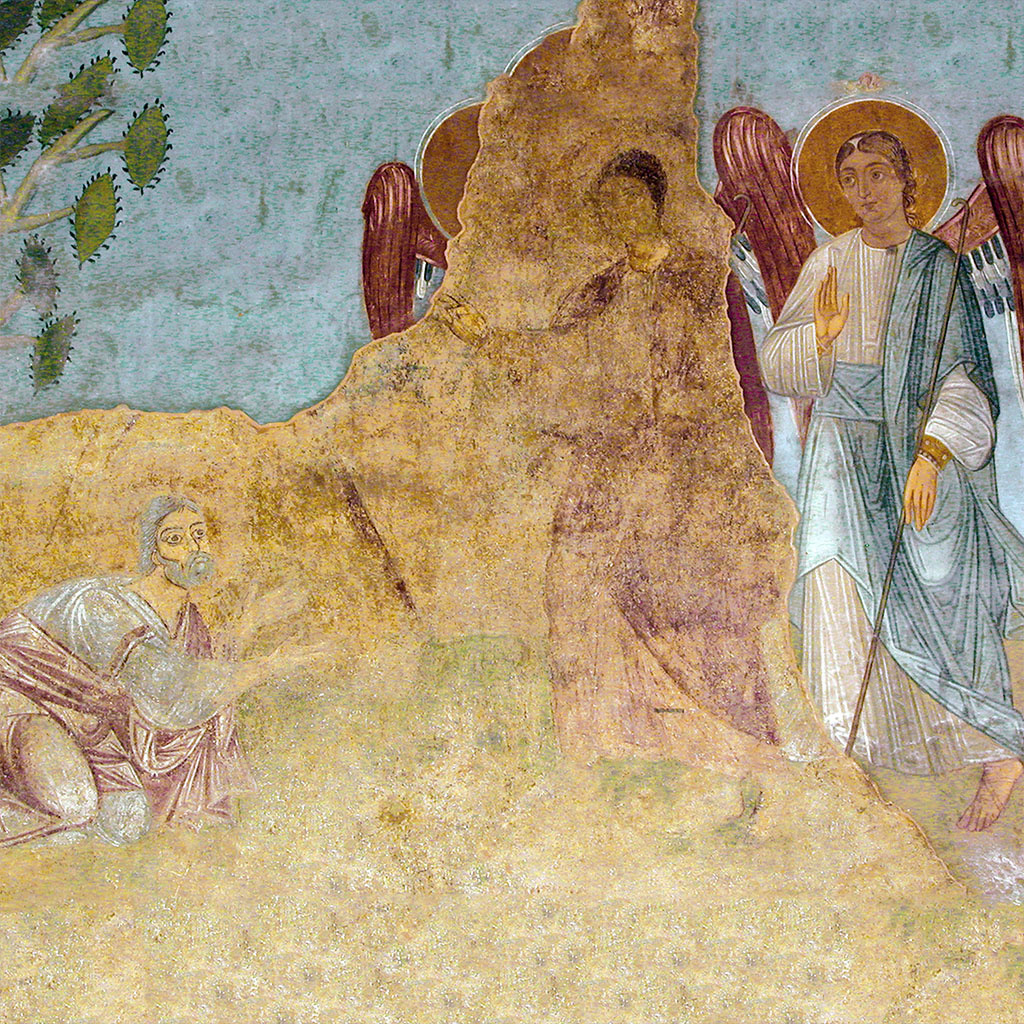
Abraham and the Stranger at Sodom and Gomorrah
Why were Sodom and Gomorrah destroyed? The answer provides a path that may help heal our relationships and our nation.

Why were Sodom and Gomorrah destroyed? The answer provides a path that may help heal our relationships and our nation.
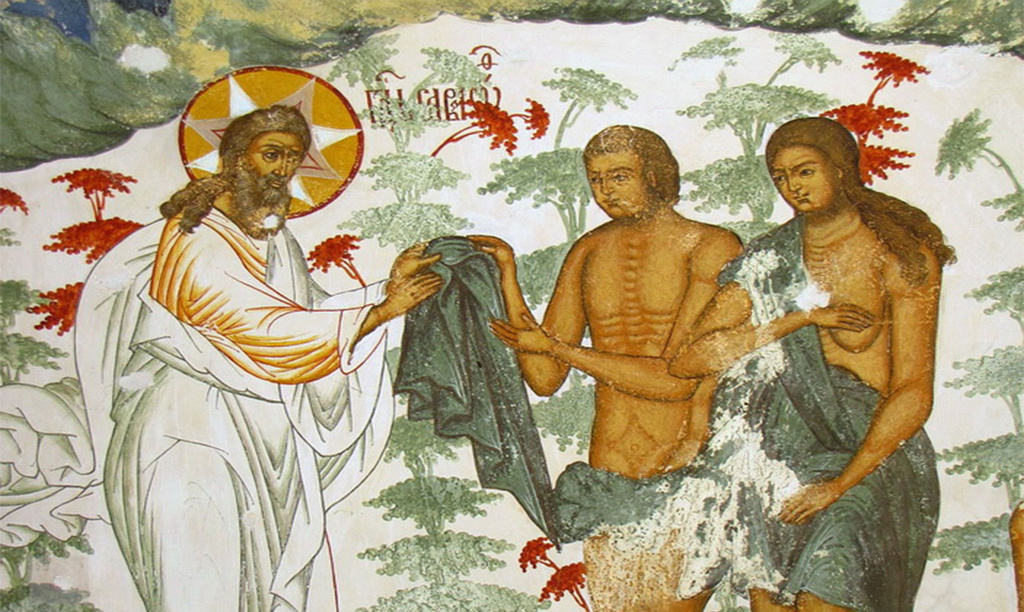
A recent New York Times story on temple garments did a good job of showing many sides of a sensitive story. But there was one side they left out: What spiritual meaning do they bring to the faithful?

As long as we love ourselves more, so the popular precept goes, our happiness will also grow. Is that really true? Not if our self-love disregards the reality of truth and our need to love that most.
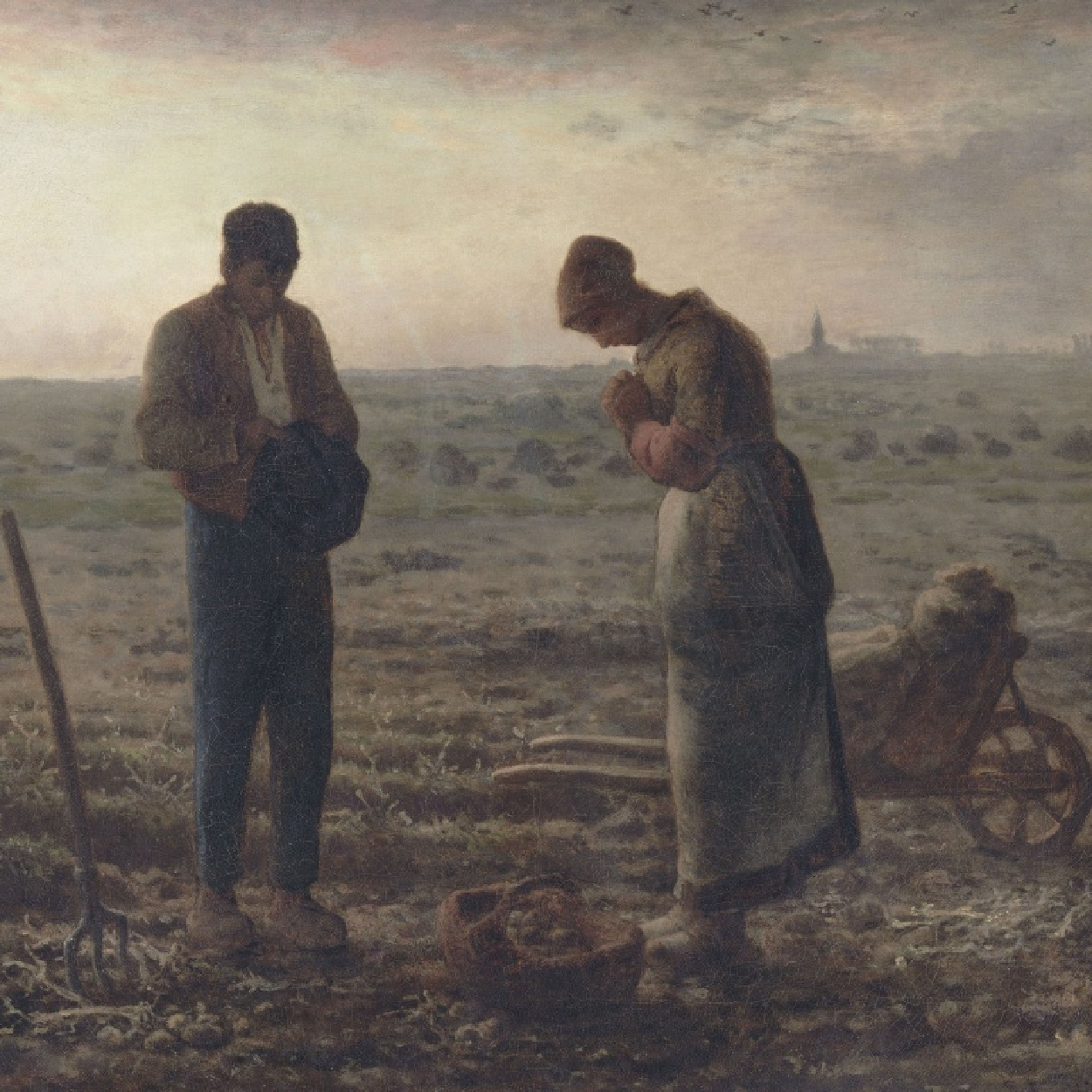
Can a religion be adequately understood by referencing simply its psychological or sociological manifestations? Not according to religious people, it can’t.
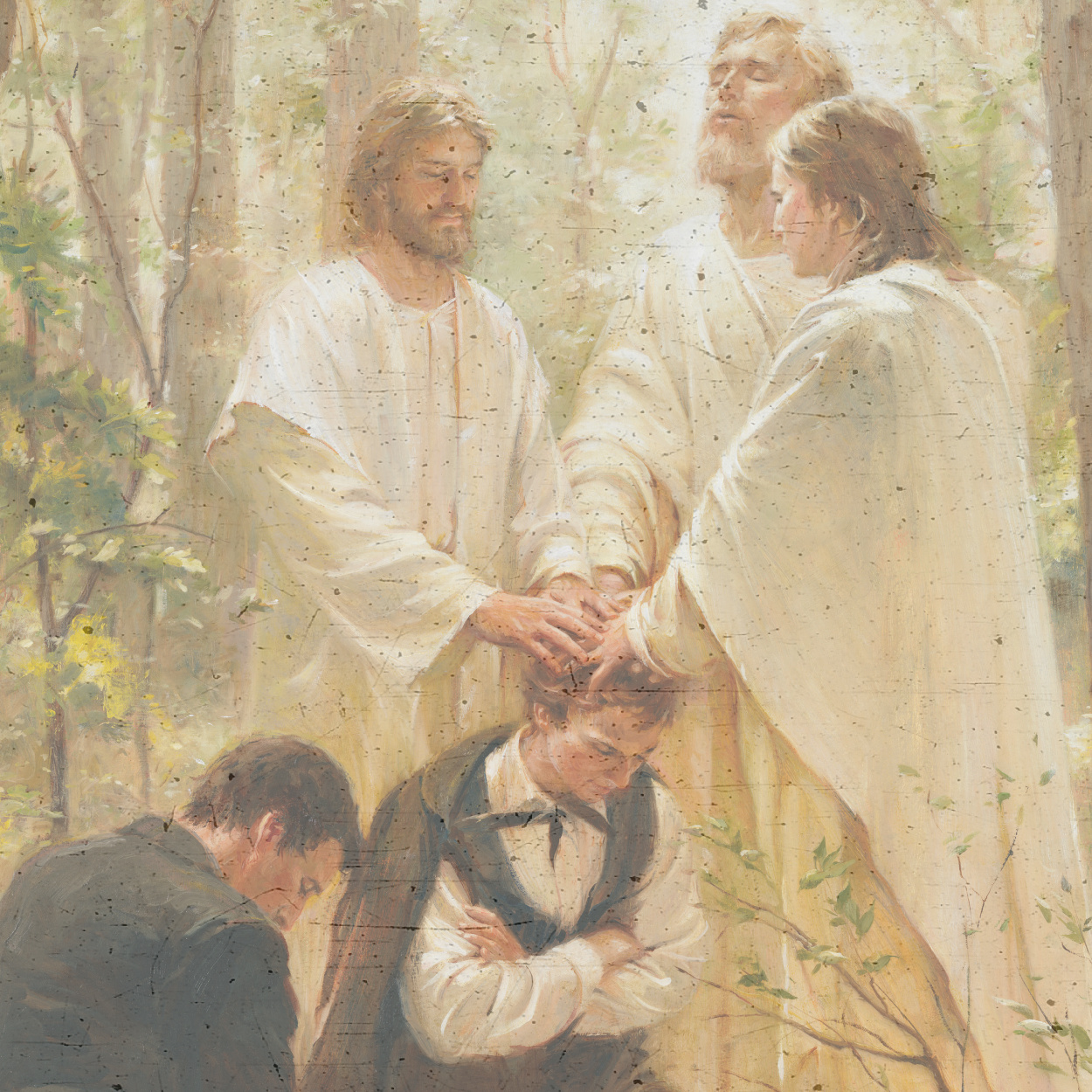
The message of a “restitution of all things” shared by the Church of Jesus Christ is exciting on many levels. Is it possible that this restoration is even more expansive than many of us have realized?

It’s become popular to assert that sexual orientation is, and ought to be, analogous to race for Latter-day Saints. That insistence overlooks what prophets actually say.
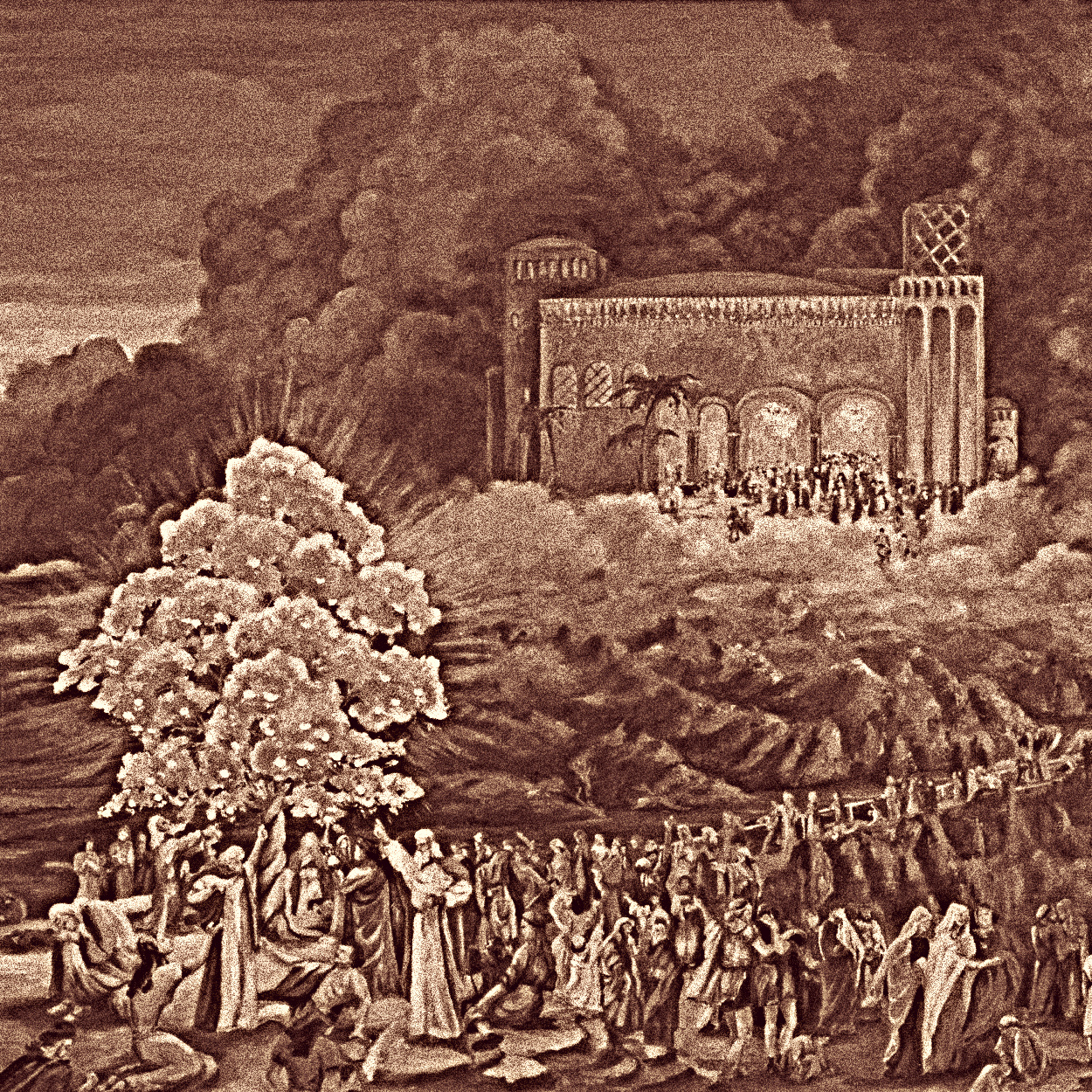
Many are seeking ways to ensure their faith can meet this perilous cultural moment. I find in Lehi’s epic dream in the Book of Mormon some insight that can point the way for all of us.

All across the globe, people have different theories of what went wrong with the Meghan and Harry fairytale. Most explanations, however, offer little hope of any redemption from the mess. There is one notable exception.
With a new year comes a new focus of study for Latter-day Saints—and an opportunity to think more expansively about what “the Church” is.
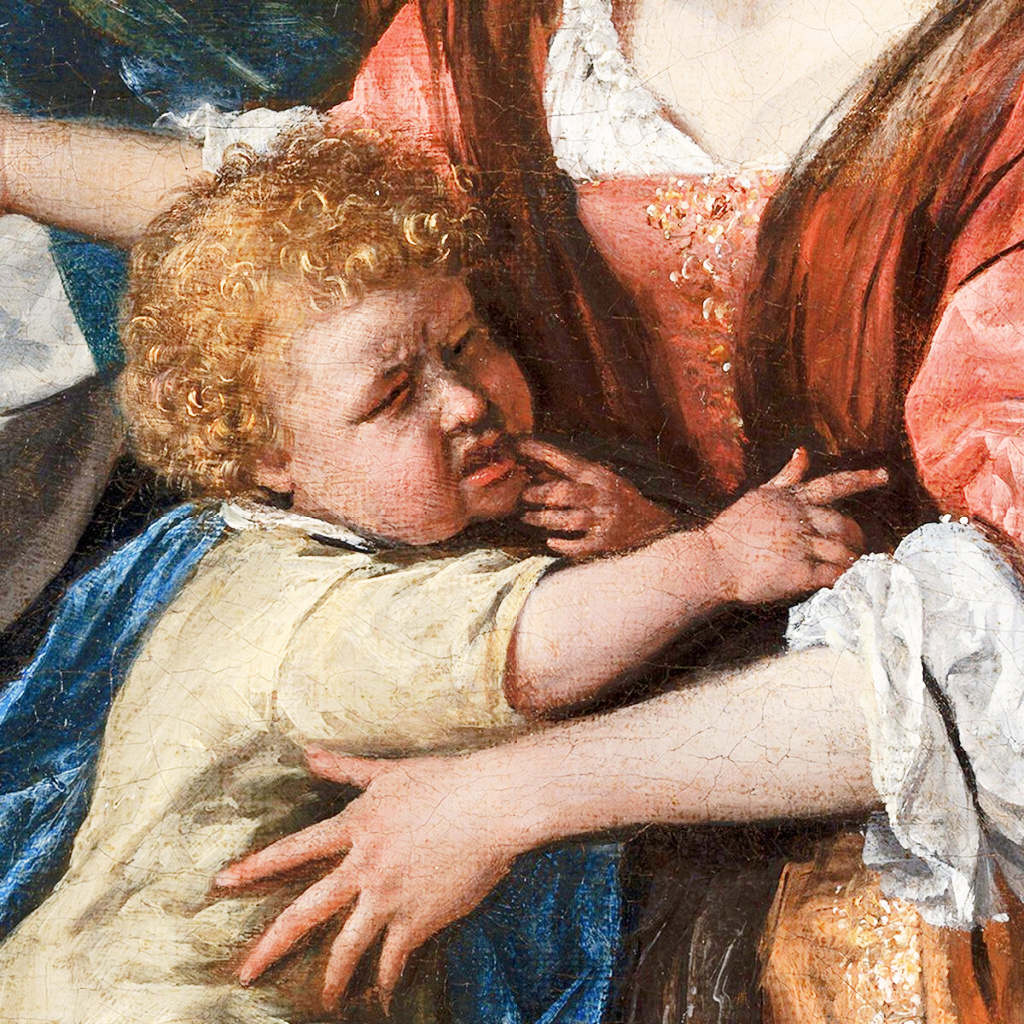
To complain is a normal human response to the difficulties of life. But Christians have in scripture a contrast between the spiritually-healthy practice of lament and the soul-corroding practice of murmuring.

Some found it odd that the Church would ask people to stop using “Mormon” after its “I’m a Mormon” ad campaign. What if that was kind of the point?

1st Nephi: A Brief Theological Introduction provides valuable scriptural insights by focusing narrowly on the intention of it’s author, Nephi.