Education
Critical Race Theory and the Gospel of Jesus
As CRT has come into academic vogue, it’s found its way more and more onto the campus at Brigham Young University. Should that be something we celebrate or oppose?

As CRT has come into academic vogue, it’s found its way more and more onto the campus at Brigham Young University. Should that be something we celebrate or oppose?
The question of trust is front and center in crises in America today. Some declare a need to “trust more”—while others insist on less and a need for more scrutiny and critique. What if they are both right?
McKay Coppins’ recent Atlantic feature on the church noted a tension among Latter-day Saints trying to authentically live their faith while fitting into a culture that rejects them. Should we expect Latter-day Saint historians to be able to avoid that same challenge?
Is science an oracle of truth—revealing what we should do and how we should think—or is it an ongoing, contested deliberation about that truth?
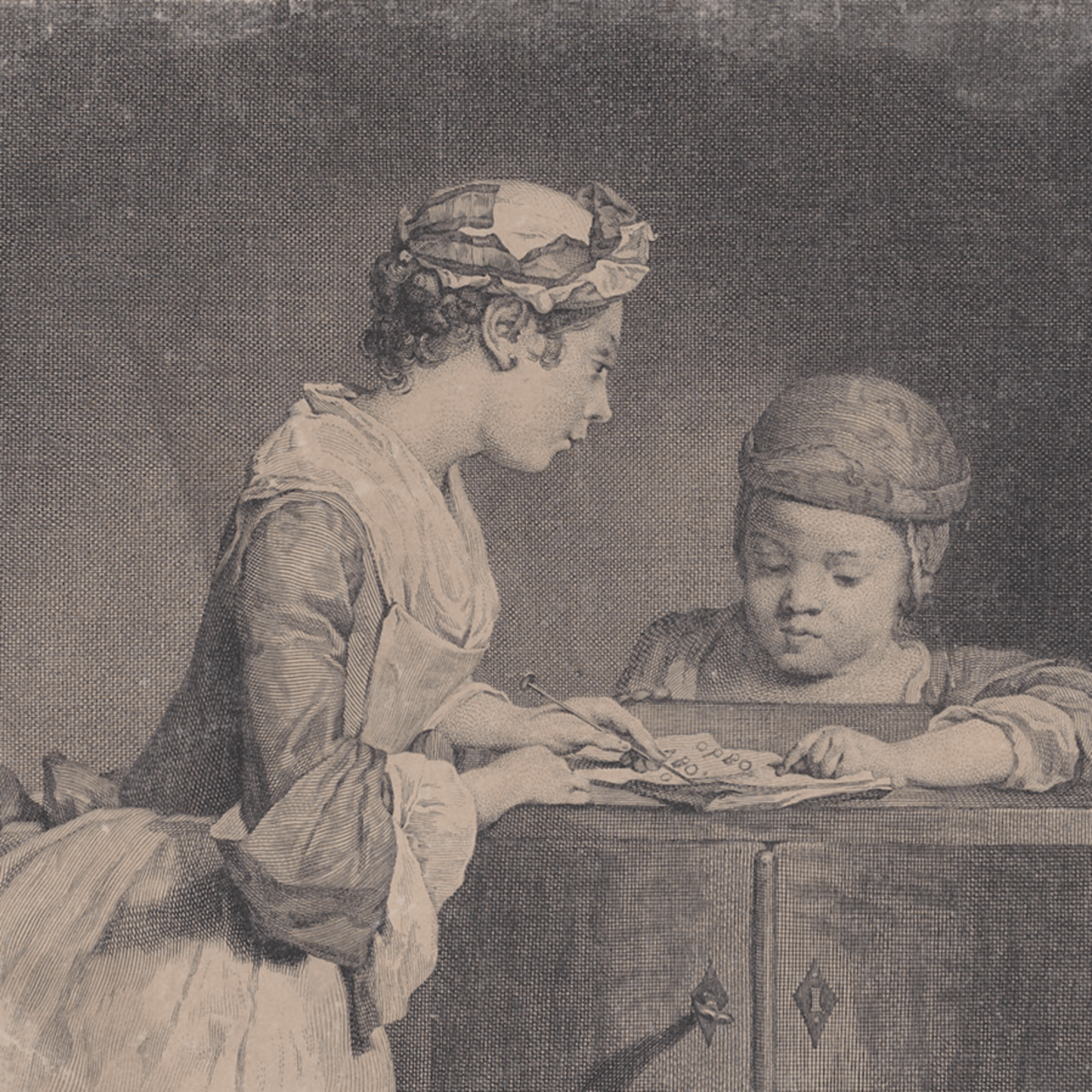
If the purpose of education is acquiring truth, then education must take seriously the question of what truth is.
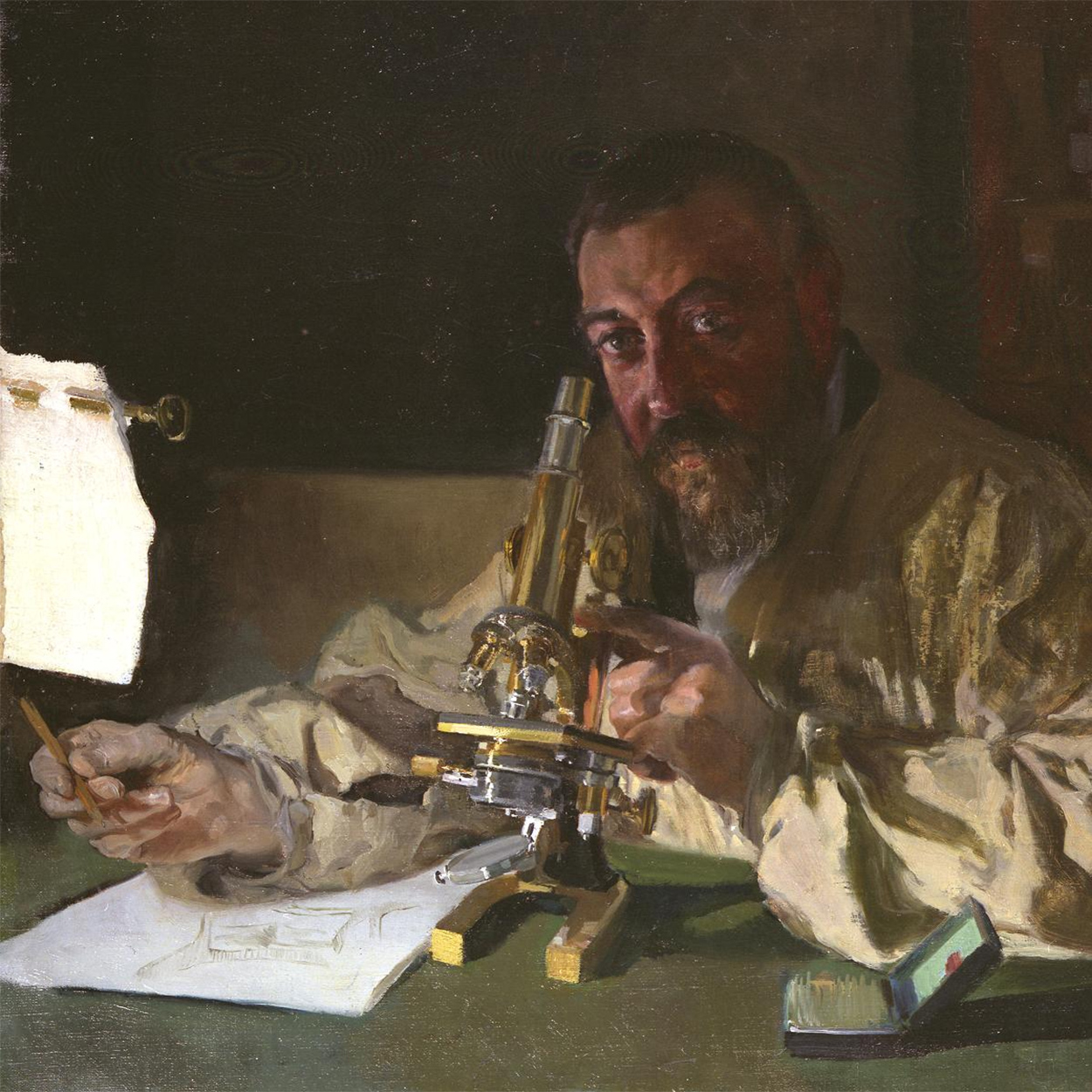
What might be called Classical Christian Liberal Arts Education? How is such an education reflected in the BYU Mission and Aims?

Exploring the nature of a Classical Christian Liberal Arts Education, why the world needs it now more than ever, and how BYU can help.
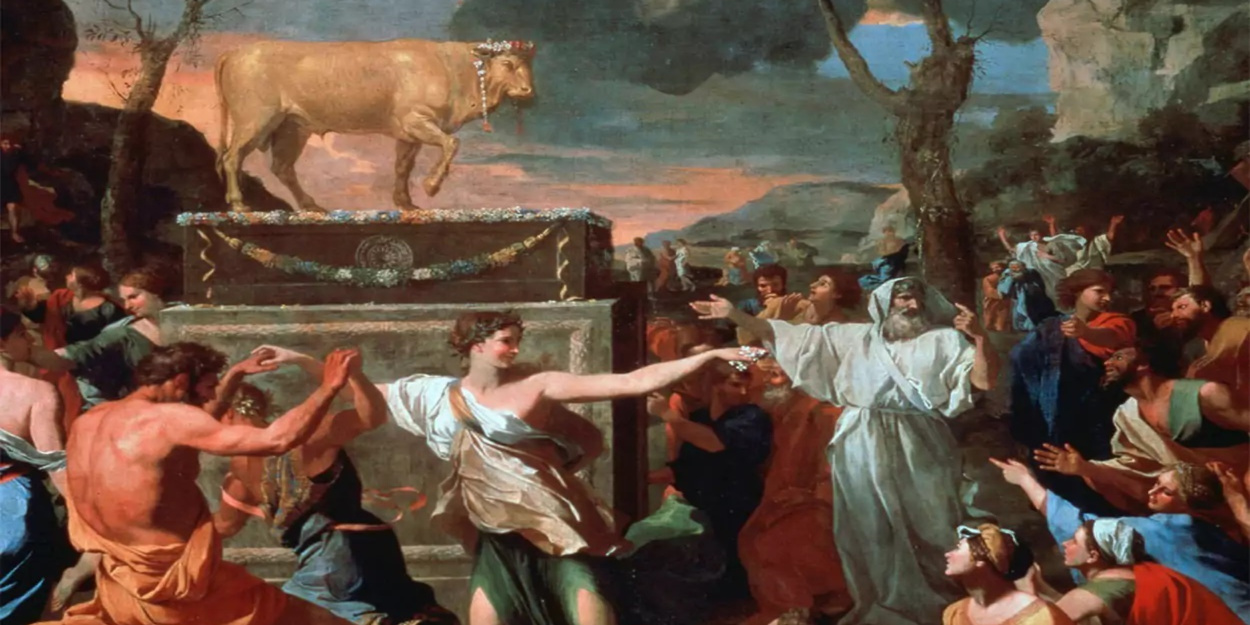
Nietzsche once suggested Christianity is vulnerable to appropriation by lofty humanitarian aspirations. Are we falling into that tendency unawares?
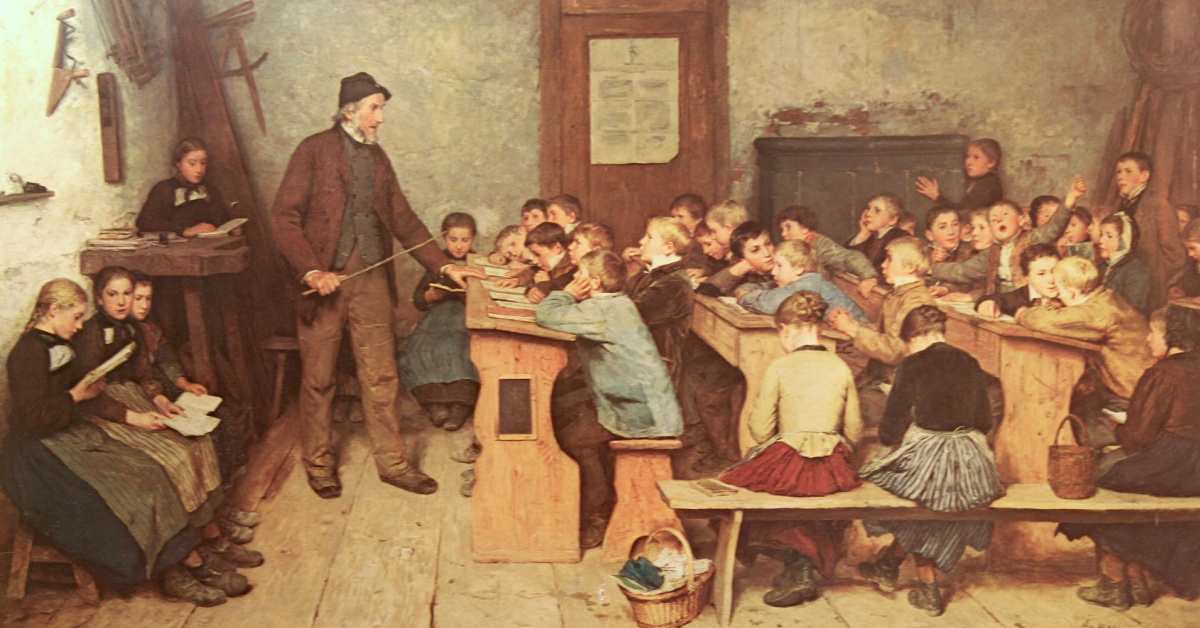
Our worldview shapes everything we see. Yet what shapes our worldview is often hardly noticed—including secular messaging deeply corrosive to faith.

Doubts about faith are everywhere. But little scrutiny goes to taken-for-granted secular assumptions that set the stage for these same doubts. Why is that?