
Mental Health
Before You Choose a Therapist
A therapist need not share a client’s beliefs, but should respect them and avoid turning treatment into persuasion.

A therapist need not share a client’s beliefs, but should respect them and avoid turning treatment into persuasion.

Utah’s app-store law is a meaningful step toward protecting children online, but stronger safeguards are still needed.
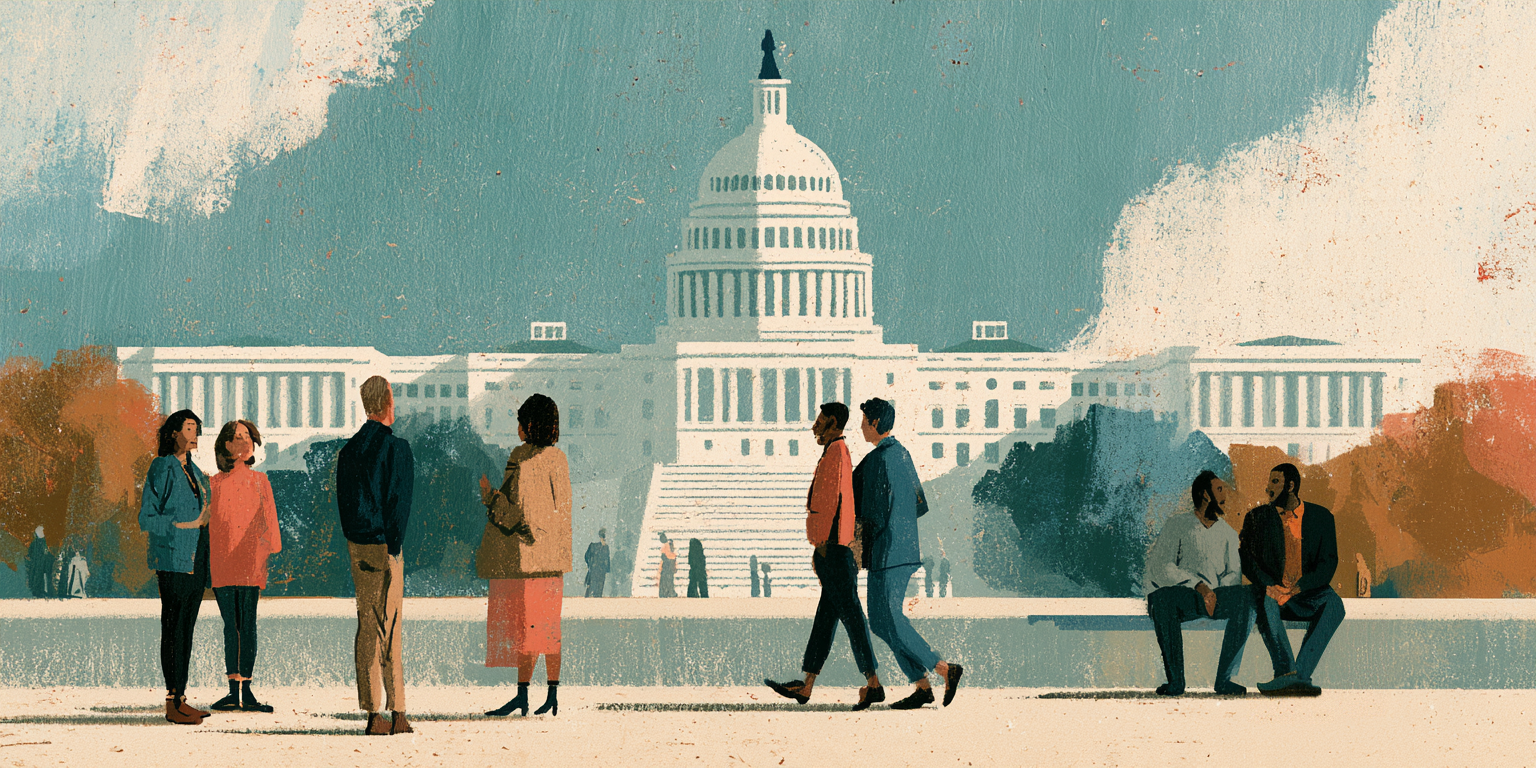
Defending the Constitution requires more than conviction. Are you willing to moderate on important issues for the sake of the country?

Foster care taught one family that loving a child fully means accepting the possibility of grief.

A culture fluent in parenting’s burdens must recover the fuller story by rejoicing in the blessings children bring.

The courage of Welles Crowther and Salman Hamdani points to a quiet lesson: Heroism begins long before a crisis, when children learn that their work matters.

Strong marriages depend on more than sexual exclusivity; they are sustained by a commitment to the “twin virtues” of fidelity and integrity.

AI is already shaping spiritual identity, but faith communities can govern its doctrine, limits, and accountability.

A thoughtful temple visit can turn questions into friendship, deepen conviction, and keep the 2027 celebration centered on Christ.

Families of faith find courage to forgive through prayer, humility, apology, and a larger view of their relationships.

Church steeples turn sacred architecture into an invitation to lift the eyes, the mind, and the heart toward God.
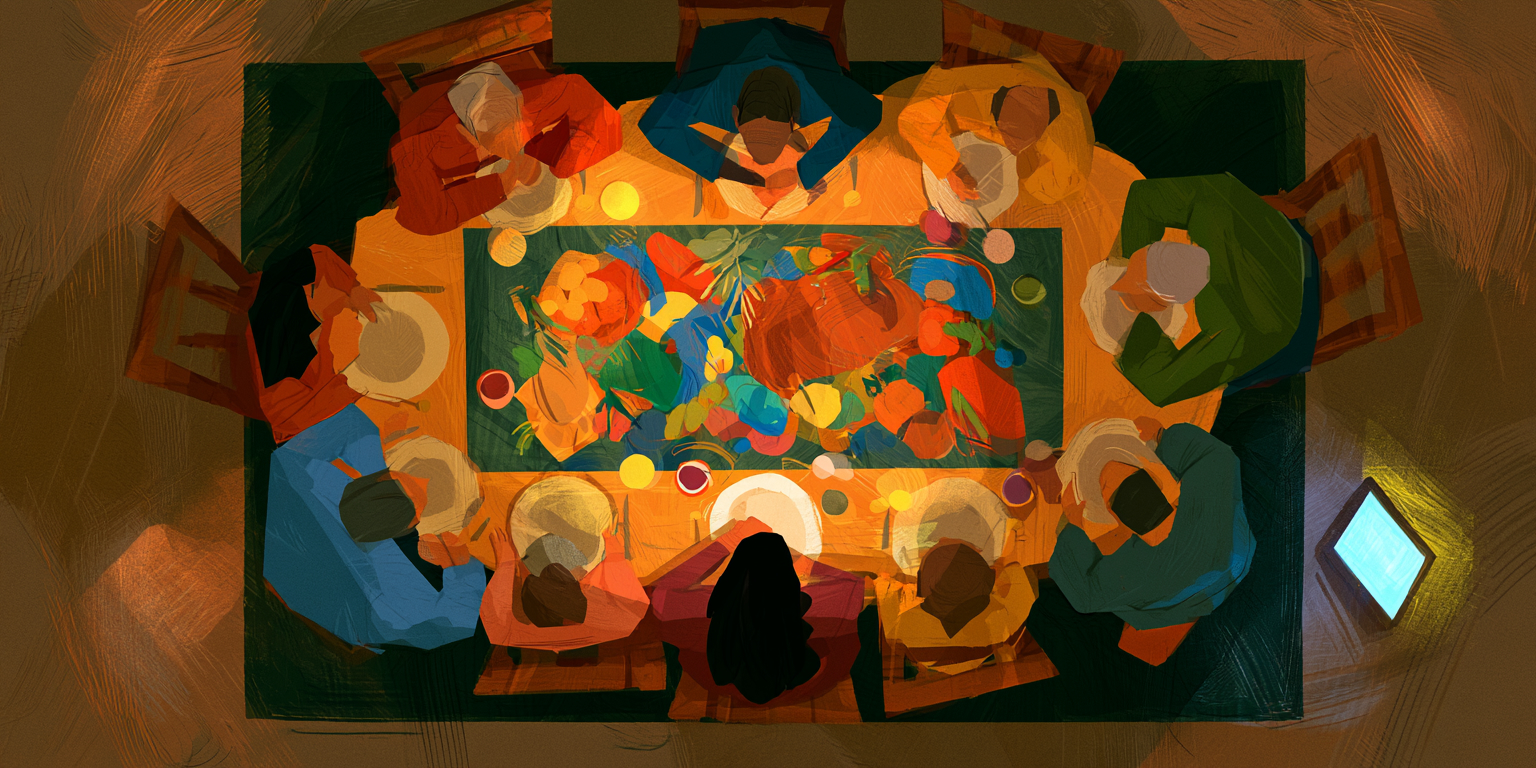
Pope Leo XIV and Elder Gerrit W. Gong insist that artificial intelligence must serve human dignity and sacred relationships.