What makes This Is The Place so special? It is the place to learn who the pioneers were, why their struggles and triumphs form the bedrock of our great state, and how we can learn from their experiences when they came west in search of freedom.
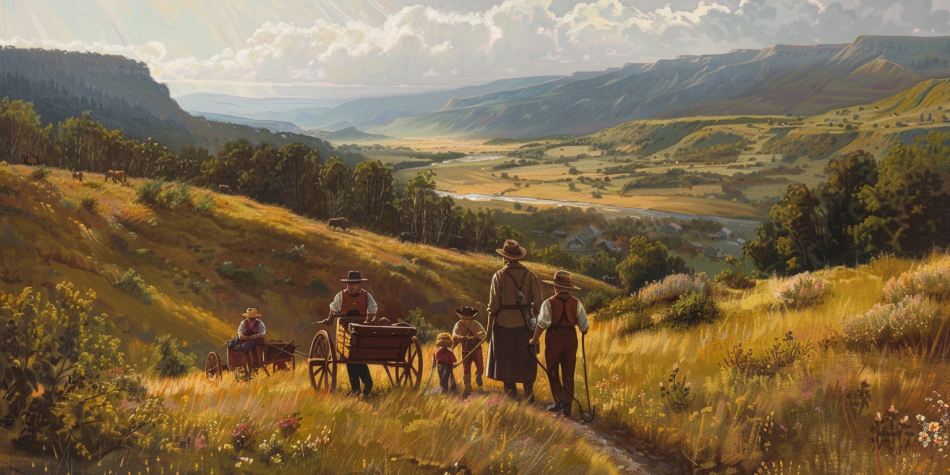
In July 1847, the first company of pioneers viewed the Great Salt Lake Valley from the mouth of Emigration Canyon. It was reported that Brigham Young, who was ill in his carriage, raised his head and gazed intently to the west. Then he said, “It is enough. This is the right place. Drive on.”
Each July 24, throughout Utah, parades, celebrations, and century-old traditions mark the day which represents the pioneers’ trek to freedom and a new beginning. This day honors the determination and hard work of the pioneers who made the difficult journey to Utah. In an effort to highlight this holiday, Public Square Magazine took the time to talk with Tresha Kramer, public relations and marketing director of This Is The Place Heritage Park, a state park that commemorates these amazing pioneers, their journey, and their life in the settlement of the Salt Lake Valley.
Public Square Magazine: Could you tell us why This Is The Place is so significant?
Tresha: I feel like it is so significant because it is literally the cultural and heritage/historical anchor of our community when you consider it represents the founding of Utah. It is, of course, founded by the pioneers in terms of settlement and establishment, but This Is The Place also celebrates the Native American story because we recognize they were here long before the pioneers. We do talk a lot about the cooperation between the natives and the pioneers because they helped the pioneers thrive during the early difficult years. Yes, there were conflicts, but there were also great times of peace and partnership.
This Is The Place tells that story, and it also gives a snapshot of what it took to create the multicultural community we have today. I believe there were dozens of languages spoken when the pioneers first came into the valley. Today when guests ride the trains, many of them will wonder why a chair is perched on the roof of a building. In pioneer times, the chair was an advertisement for a furniture or cabinet shop. Boot shops were often known by the iron fixture in the shape of a boot hanging near the entrance. These icons helped overcome the language barriers in the new and very diverse settlement. In spite of many challenges the pioneers faced, their shared goal of seeking religious freedom was a unifying force.
This is very significant because the banner of freedom is something I speak about frequently when I’m hosting groups that come from all over the world. The one thing I have found that unites almost every human heart is the desire to be free. The pioneers were refugees seeking freedom to worship as they pleased, and as I share their story I witness people identifying and making a connection with the pioneers because most cultures have a similar story in recent or past history. We strive to have the stories and engaging activities at the Park that tie back to the characteristics of the pioneers that helped Utah thrive as a brand-new territory. They had to have grit, determination, cooperation, partnerships, and friendships. Everything we do at the park reinforces all of those principles, and you have a lot of fun learning about them.
PSM: I had not thought about the park before in terms of representing freedom and what it can represent for different groups of people. What is a main highlight or a few main highlights about the park?
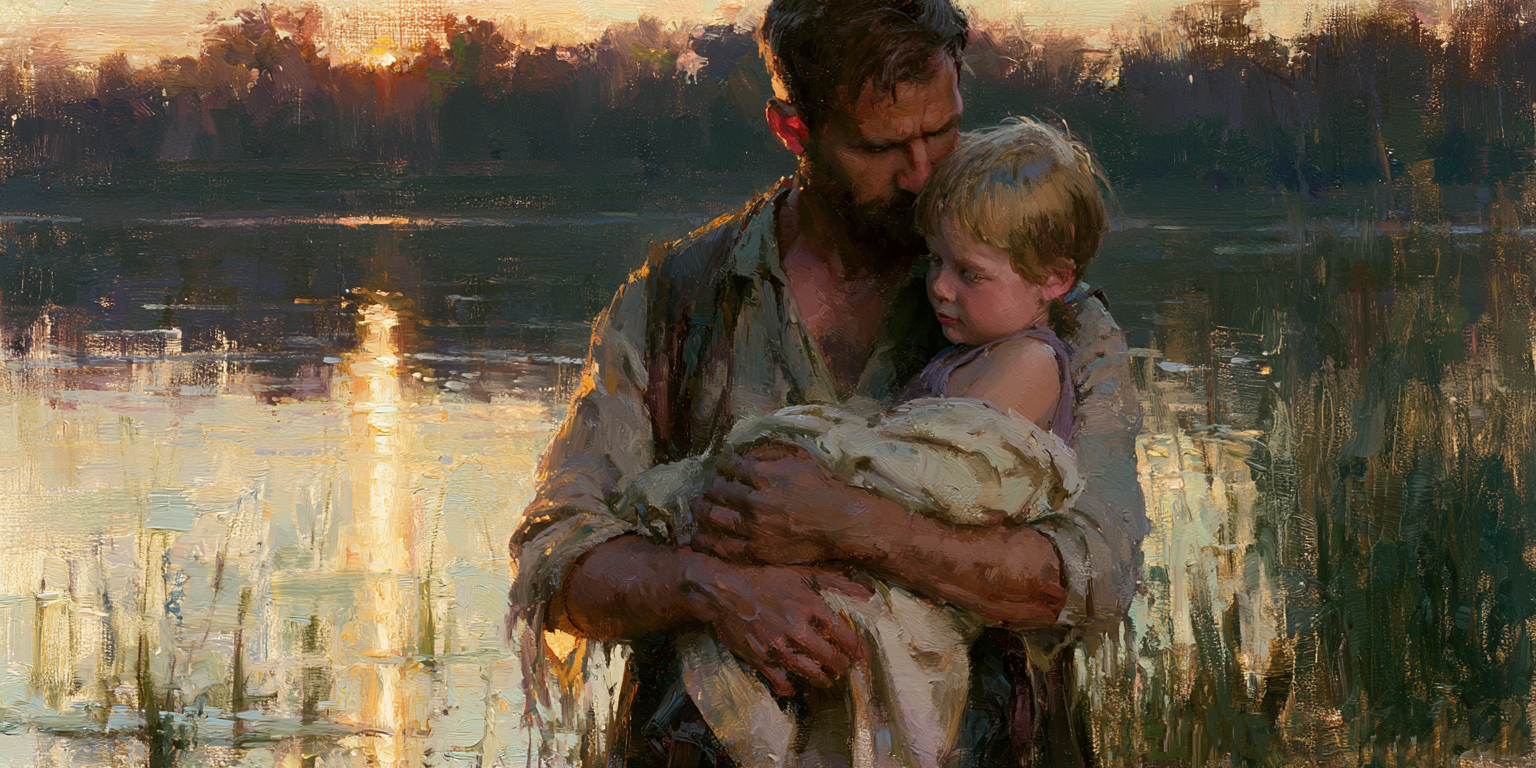
Tresha: One of the highlights of the last few years is the Pioneer Children’s Memorial. The memorial pays tribute to the children who died on the journey to Utah, and it is one of the most beautiful features of the park. It is very, very popular and speaks to the hearts of both the young and old. I am always amazed this is universally one of the most moving places people love to visit.
A BYU professor did the research and found over 650 names of children who died on the trail and did not have a permanent resting place or gravestone to mark their names. Today, their names are engraved on beautiful giant stones and their story is recorded along a picturesque trail that goes through these winding oaks up to the top of the hill, where a monument is placed named Journey’s End. The monuments were cast in bronze by the husband and wife team Roger and Stefanie Hunt, and tell stories through these symbolic markers. For example, in one place, there is a big wagon with a family crossing a river, representing the crossing of the Sweet Water River. Even some of the rocks in this little river display were brought from the actual Sweet Water River.
At each stopping point, there is a 2-3 minute explanation of the bronze statue display and accompanying story. Each story also highlights a specific characteristic that we hope the young will be especially touched by. Specifically, there is a story at the beginning of the Pioneer Children’s Memorial about a young girl named Bodil Mortensen who left Europe when she was 9 or 10 years old. She was brave as she walked down the wharf, left her family, and boarded the ship alone to come to America to meet her sister, who had joined the Church of Jesus Christ and had already arrived in Utah. Little Bodil perished in the freezing cold before she was able to be reunited with her sister. It’s one example of the incredible stories told through this memorial. It was dedicated in 2019 and is a beloved feature.
One of the other real highlights is the handcart pull. This is something guests wanted for a long time and we just needed to have enough handcarts in circulation to make it a good experience. People can now experience what it was like to pull a handcart, and it’s been fun and very popular. Panning for gold and pony rides are probably two of the top sites for visitor fun, along with a Prospectors’ Pit where children can dig for gemstones. The trains are very fun to ride throughout the park and make it easy for guests to get to all the historical homes, activities, and shops.
PSM: Why do you feel like it is important for us to preserve this part of history? How is this relevant for us now?
Tresha: It is truly the mission of our park and employees to have people come and spark their imagination on what it really took to get something done back in these times. Guests are able to have fun but are also taught about the pioneers and their lives in a way that is genuine and authentic. They can go wash clothing on a washboard and understand how it used to be and how it is different from what we know today in this modern and convenient era. They can come away with a great appreciation for the luxuries of today. It is something that connects us to valuable traits that we need today. Especially for our young people where so much of their time is with a screen in their hand. That just seems to melt away when you are at the park; you don’t often see children on their phones, they are really engaged. That is something we always hope to offer. A moment to step back in time!
The principles of success that helped the pioneers be successful are the same ones that will help us be successful today. Traits like determination, patience, love, friendship. Stories like the ones the pioneers lived can help connect young people to feel inspired. It can also help them feel more connected to their own individual family history. We really do have a lot of people who come through and feel inspired to learn more about their own history and their ancestors. Even as they come from different backgrounds, cultures, and religions, This Is The Place can connect people to stories shared in this historical state park, peaking their imagination and curiosity to look into their own family tree and wonder where they came from and just maybe, they too can be a modern-day pioneer! We want to spark their imagination and desire to feel connected to the past and live by the principles that made the pioneers great; this is an integral part of our mission and story.