History
A Day to Remember
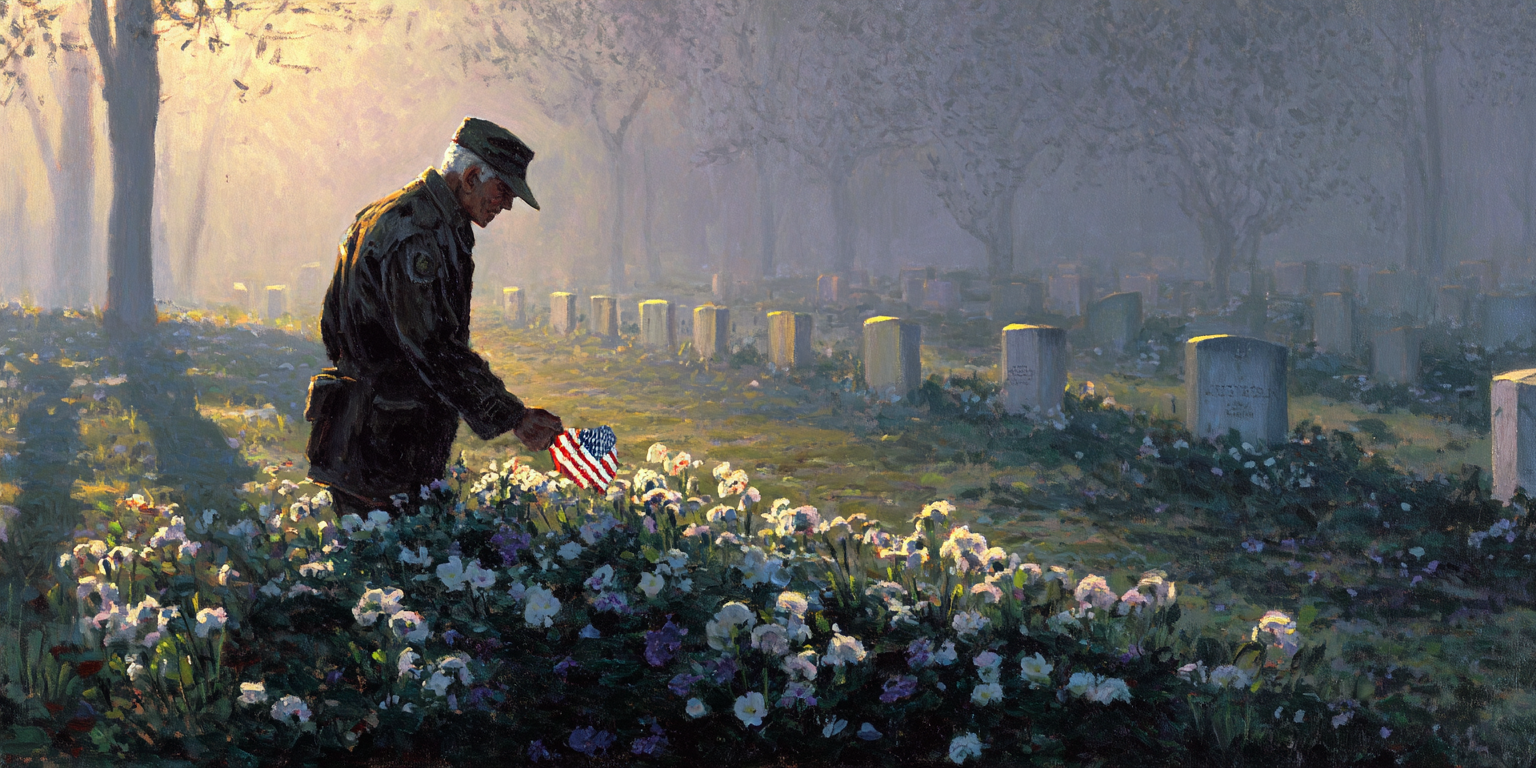
“Never was so much owed by so many to so few.” That sentiment by Winston Churchill has been deeply felt by many over the years. Do we feel it anymore today?

“Never was so much owed by so many to so few.” That sentiment by Winston Churchill has been deeply felt by many over the years. Do we feel it anymore today?
Despite lauding its own exquisite accuracy, there are many profound misrepresentations in the new series, which together paint a damning picture of not simply two deranged individuals, but of an entire faith community.
Our daily rundown of the articles from around the web that we feel our readers would enjoy and appreciate. We hope to highlight the best of what’s around. Public Square Bulletin recommends: NPC Headliner Luncheon: Elder David A. Bednar Elder David A. Bednar, an apostle of The Church of Jesus Christ of Latter-day Saints, presents to the National Press Club about the Church and how it helps people both from the outside in, but especially from the inside out and fields questions on many controversial subjects in a Q&A including why people leave religion. The Q&A begins at forty-two minutes. Why do people abandon religion? Moshe Taragin—The Jerusalem Post While the conversation of leaving religion affects many denominations, this article from The Jerusalem Post looks at the question generally but from the perspective of Judaism. Certainly a worthy addition to the conversation. Is God a Therapist? Carl Trueman—First Things In his latest, Carl Trueman laments our “childish age” and the way it oversimplifies God. He relishes in the hard complicated God that is worthy of worship. Elder Perkins shares common values at a groundbreaking conference in Saudi Arabia Mary Richards—Church News The Muslim World League held its first-ever forum on Common Values of Religious Followers. The Church, which recently announced its first temple in the Middle East, has not had a leader speak in Saudia Arabia since the G-20 summit in 2020. How an Army ethicist works to mold moral soldiers Mary Beth McCauley—The Christian Science Monitor A fascinating deep dive into the Baptist chaplain who is a leading figure in war ethics. The article looks at his background, beliefs, and day-to-day work teaching ethics to new recruits.

As we are encouraged towards language like “pregnant person,” “birthing person,” and “menstruators” in the name of greater inclusivity, you have to wonder whether those identifying primarily as “woman” or “mother” are feeling included too?

Some of the charged responses to inexplicable tragedies like this are only understandable. And some are clearly standing in the way of both greater healing and more effective prevention of future violence.

Amidst legitimate concerns about what’s available online, let’s not miss the grace of a stirring democratization of knowledge unfolding right before our eyes.
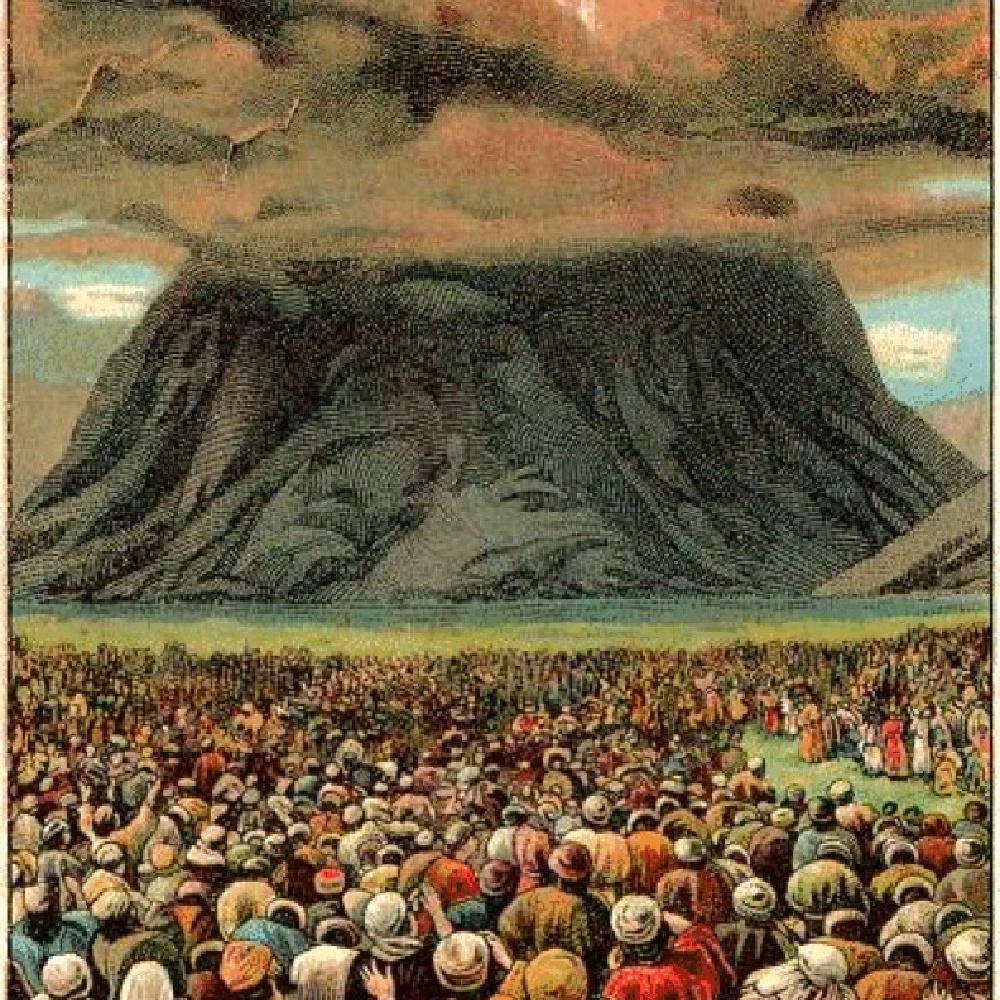
God offered the children of Israel a direct encounter. That was too much. They wanted something safer. Do we sometimes do the same?
Summary – Pyre is interrogating Sam, who shouts scripture at him about the “one mighty and strong.” Pyre uses false details about the murder to trick Sam into revealing that he isn’t the murderer. The police chief is getting ready to release the brothers, so Taba stalls him while Pyre talks to Robin about his brothers’ involvement in the “School of the Prophets” and gets him to reveal two names: Bernard Brady, a Provo businessman, and Prophet Onias. The detectives follow up with Bishop Low and his wife, located at the end of the last episode, asking them about the excommunication of Dan and Ron. The bishop is reluctant to reveal details because of clergy confidentiality but eventually reveals that Dan was excommunicated based on the testimony of his daughters that he attempted to forcibly take them as polygamous wives. We get a flashback to a heartbreaking scene where Matilda has sex with Dan to distract him as her daughters escape out a window in the middle of the night. Dan was excommunicated, and the girls were placed with a family in the ward (as the bishop refused to call CPS) but later ran away, and now they and their brother are missing. At his daughter’s baby blessing, Ron confronts the bishop about his brother’s excommunication, not knowing about Dan’s attempted polygamy and thinking that it’s about his political beliefs. Brenda has a conversation with Sister Low and Diana, indicating that both know that Ron is abusing her but only Brenda is willing to do anything about it. In fact, Sister Low feeds Diana a line about how her only duty is “creating a home and environment to sustain and support our Priesthood holder.” To Detective Pyre, the bishop claims to have followed church procedure but eventually encouraged Diana to leave and gave her money to do so. The detectives follow up on Robin’s lead about Bernard Brady by arriving at his house in the foothills of Provo with a warrant. We find out that the Bradys sheltered Ron when he was having a hard time. In a flashback, Ron receives a summons to a church disciplinary court and blames Diana for it. He punches her in the face and begins throwing the food she’s preparing on the floor, saying he’ll starve her into obedience. Diana grabs a kitchen knife and drives Ron from the house, telling him not to come back. Back in the present, Bernard admits to being in the School of the Prophets study group and driving miles to pick up Prophet Onias and the Laffertys but denies being further into the group than that. But when he sends his wife out of the room to make lemonade, he produces a notarized letter he sent to himself with details of the Laffertys’ hit list, including that Diana is on the list because she wrote a letter that got Ron excommunicated. The detectives rightly chastise him for not taking this information to the police earlier. Brady reveals that he knows the location of “the farm,” a Lafferty compound. With Allen’s help in drawing a map, the detectives plan to stake out the property in the morning. Detective Pyre returns home for FHE and finds that his wife and kids have been invited to the bishop’s house for the evening and are spending the night there. Pyre believes this is an attempt to keep an eye on his family and control the narrative about the case. The next morning on the way to the raid of the farm, Pyre questions Brady about the details of Ron’s excommunication, which we see in flashback. He is indeed excommunicated after lashing out at the church leaders about them not following the “correct” doctrines of the church. When Ron returns home, he finds that his teenage daughter has cut the markings out of his garments, which he puts on anyway with only a sports coat and jeans over the top. He says goodbye to his kids and leaves the home. When the farm is raided, the only people inside are three teenage girls, who we learn are from a polygamous compound in British Columbia and were brought down by Prophet Onias to be Ron’s wives. The girls show the detectives a cupboard they had been forbidden to touch, which the detectives open to reveal a single shirt belonging to Ron with some papers in the pocket, a hit list, and a revelation directed at Diana commanding her to repent and return to him. Allen is in disbelief that Ron could have written these things, but Brady confirms that Ron is a violent man. He explains that Ron fled to his parents’ home after his excommunication, where his mother confirms his calling as “the one mighty and strong” and says he’s only a heartbeat away from his rightful place. His father is lying sick in bed and asks Ron to call a doctor, but Ron recalls his cruelty to them as children and refuses. It’s implied that he indirectly caused his father’s death in order to take over the leadership of the family. Church History—This episode contains the most fabricated piece of church history in the show. When Bernard Brady reveals that Diana’s information led to Ron’s excommunication, he makes an analogy to Joseph Smith’s martyrdom. He claims that while Joseph was in hiding after destroying the press of the Nauvoo Expositor, Emma wrote a letter to Joseph encouraging him. John Taylor intercepts this letter and adds a line meant to make Joseph turn himself in, thus indirectly causing the prophet’s death. Taylor’s motive is to put Brigham Young at the head of the church, instead of Emma’s young son, in order to continue the doctrine of polygamy, which he and Brigham are already heavily involved in. Reputable historians both in and out of the church say there is no evidence to support this interpretation of events, though the succession crisis between Brigham Young and the ten-year-old Joseph Smith III is real and

With gender identity and transgender questions at the forefront of public discourse in recent years, the need for discerning the truth is as critical as our care for those navigating these questions.
Our daily rundown of the articles from around the web that we feel our readers would enjoy and appreciate. We hope to highlight the best of what’s around. Public Square Bulletin recommends: The war over parental rights has begun Carl R. Trueman—World In his ever careful way, Trueman looks at the recent tensions between parents and the school boards that serve them. He looks at some of the philosophical underpinnings that might prevent this issue from being easily resolved. Cemeteries Remind Us of The Importance Of Religion Grace Bydalek—The American Conservative Thomas S. Monson famously loved visiting cemeteries. Grace Bydalek explores some of the reasons why, considering what the distilled messages tell us about what is most important in our lives and how it conflicts with what is valued outside the cemetery walls. A Disappointed Supporter Allyson Flake Matsoso—Philosophy of Motherhood Matsoso has recently written a two-part series for Public Square reflecting in part on the significance of Jordan Peterson in helping her understand her role as a mother. So we wanted to make sure you saw this take where she reflects on Peterson’s recent Twitter controversy where he called a magazine cover model “not beautiful.” How the church should respond to the rise of anti-Semitism in America Jordan Wooten—Ethics and Religious Liberty Commission A think tank for the Southern Baptist Church published an article looking at the alarming rise of antisemitism and what their church could do about it. The ideas are practical and should be of interest to those of other faiths looking to answer the same question. Breaking Down Texas’ Disruptive New Social Media Law Andrew Egger—The Dispatch A new Texas law will go into effect that prevents social media sites from viewpoint discrimination. The law echoes similar public square laws such as those about malls in California. The Dispatch has an explainer of the many ramifications of the new rules.