
Dialogue
Assuming the Worst
It’s easy for any of us to assume that people disagreeing with our own views are influenced by ill-will, dishonesty or callousness. But what if we didn’t?

It’s easy for any of us to assume that people disagreeing with our own views are influenced by ill-will, dishonesty or callousness. But what if we didn’t?
The dwindling sense of a common pursuit of truth is contributing to a deteriorating public discourse. Maybe it’s time to stand up for the truth about truth.
When issues are so important and feelings so intense and disagreements so profound, is it even possible to find unity again? Maybe if we take the lead from God’s own love for us.
When it comes to public discourse, not all conversations are equally challenging. Maybe it shouldn’t surprise us how angry disagreements about health are.
These are serious times – with serious challenges. Does that make it less (or more) important that we stay open to diverse perspectives on what’s happening?
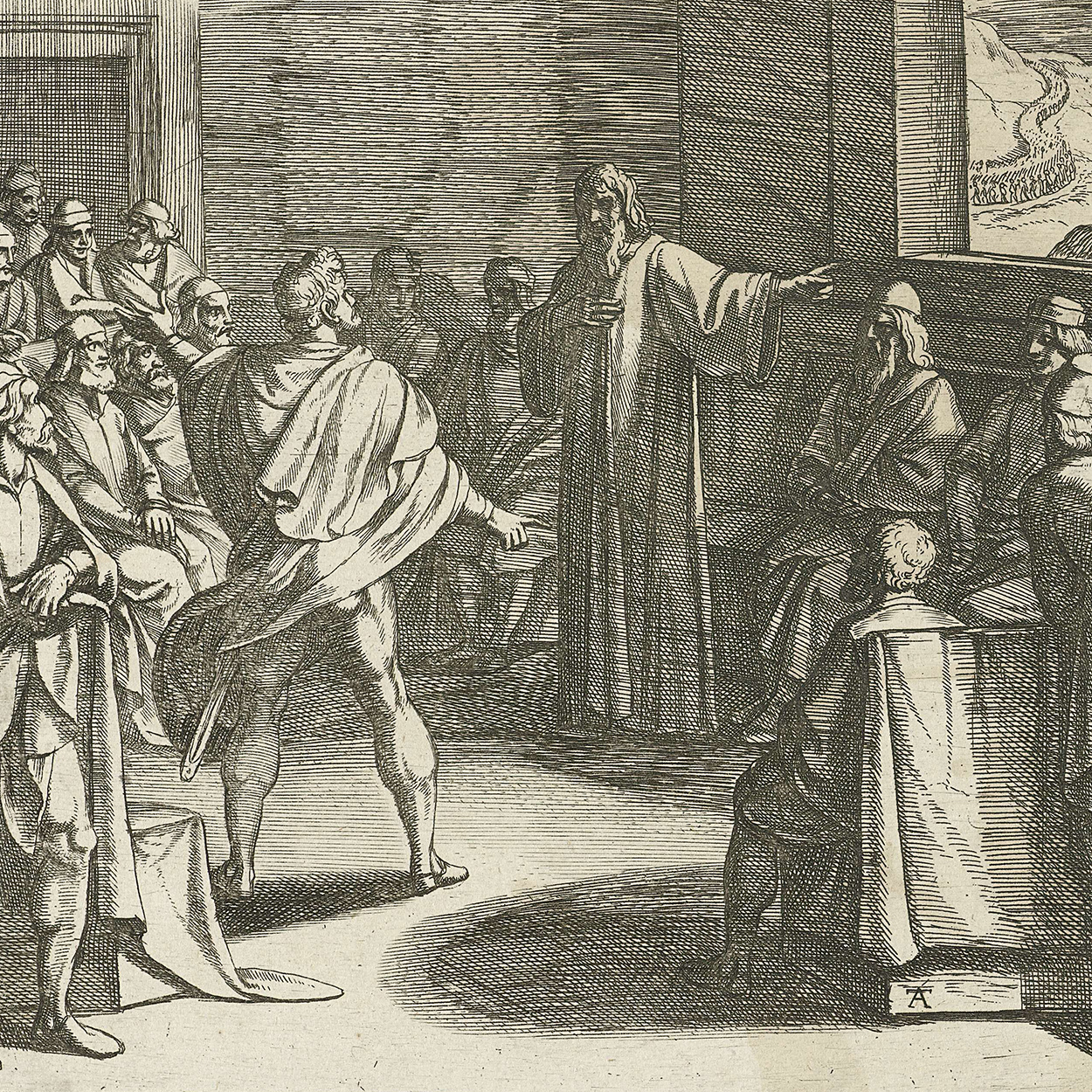
What if deeper conversation threatens my very sense of self? In most cases it is infinitely worthwhile to engage in such “rival contestation.”
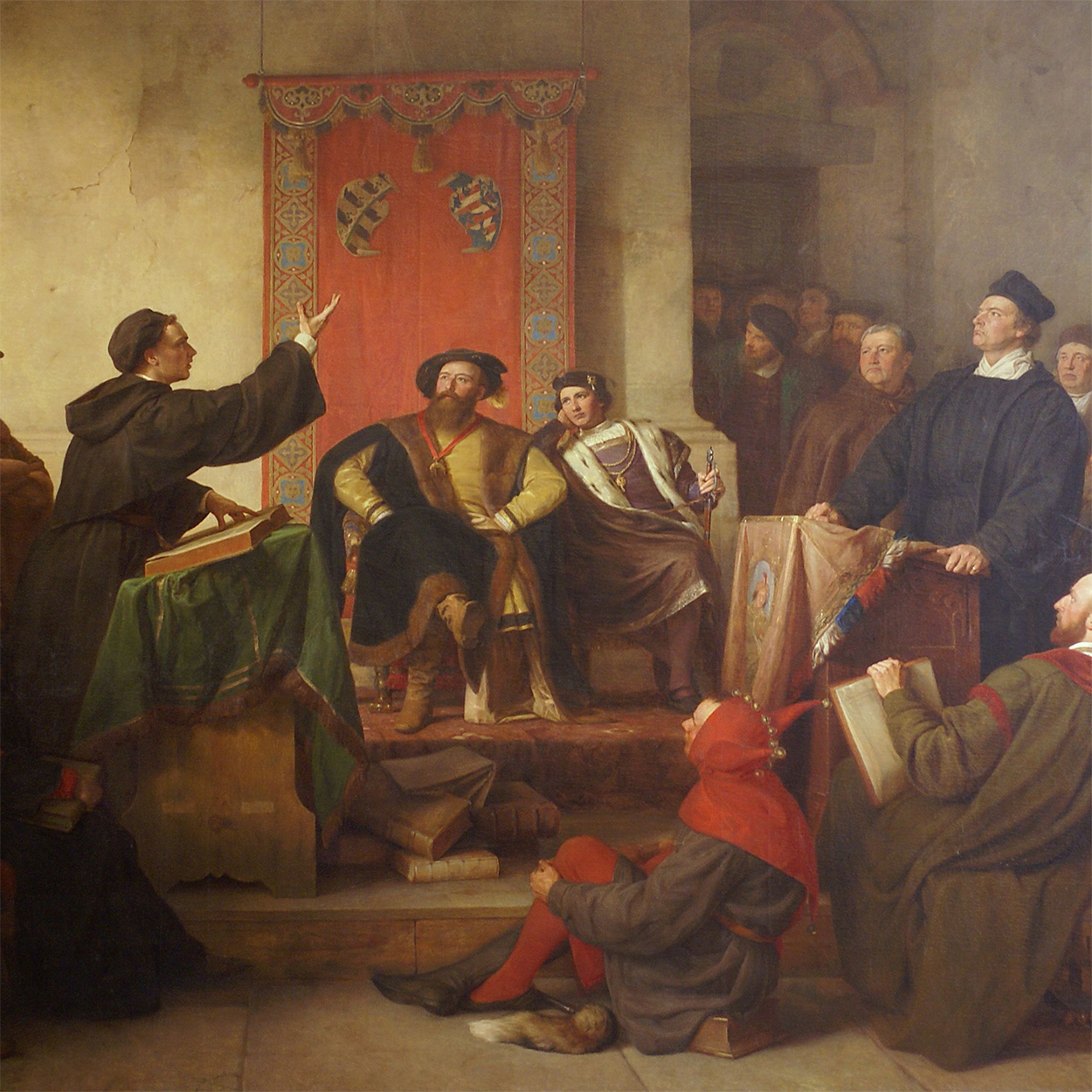
Will admonitions to be kinder, nicer, more civil, and less hateful be enough to change our pained American discourse? Or have they become part of the problem?
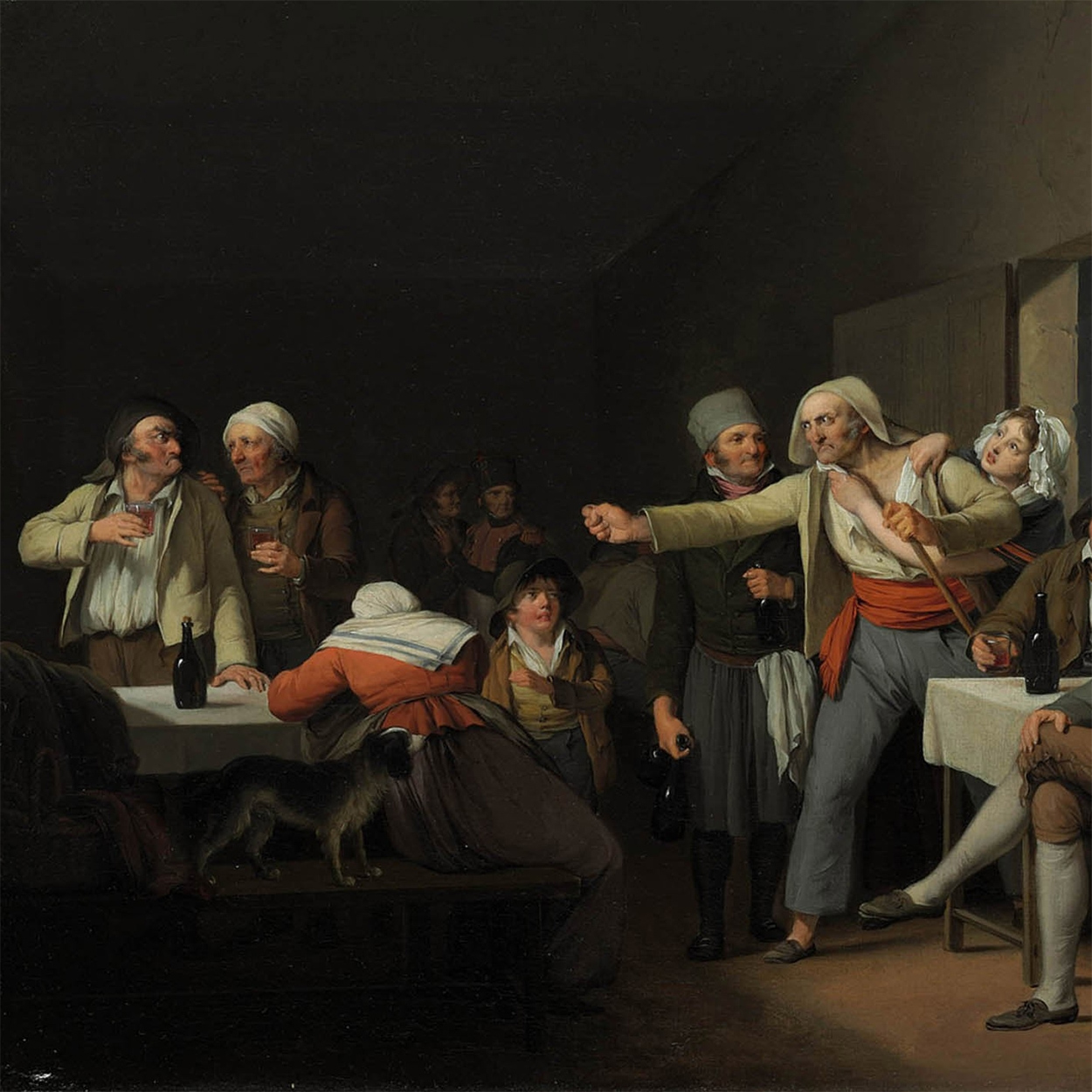
When strong disagreements take place publicly, it’s no longer surprising when death threats occur – on both sides. Why is that? And what will it take to preserve space for productive disagreement in the days ahead?

Will we continue the patterns of contempt and division in this new America? Or will we reach for something better?
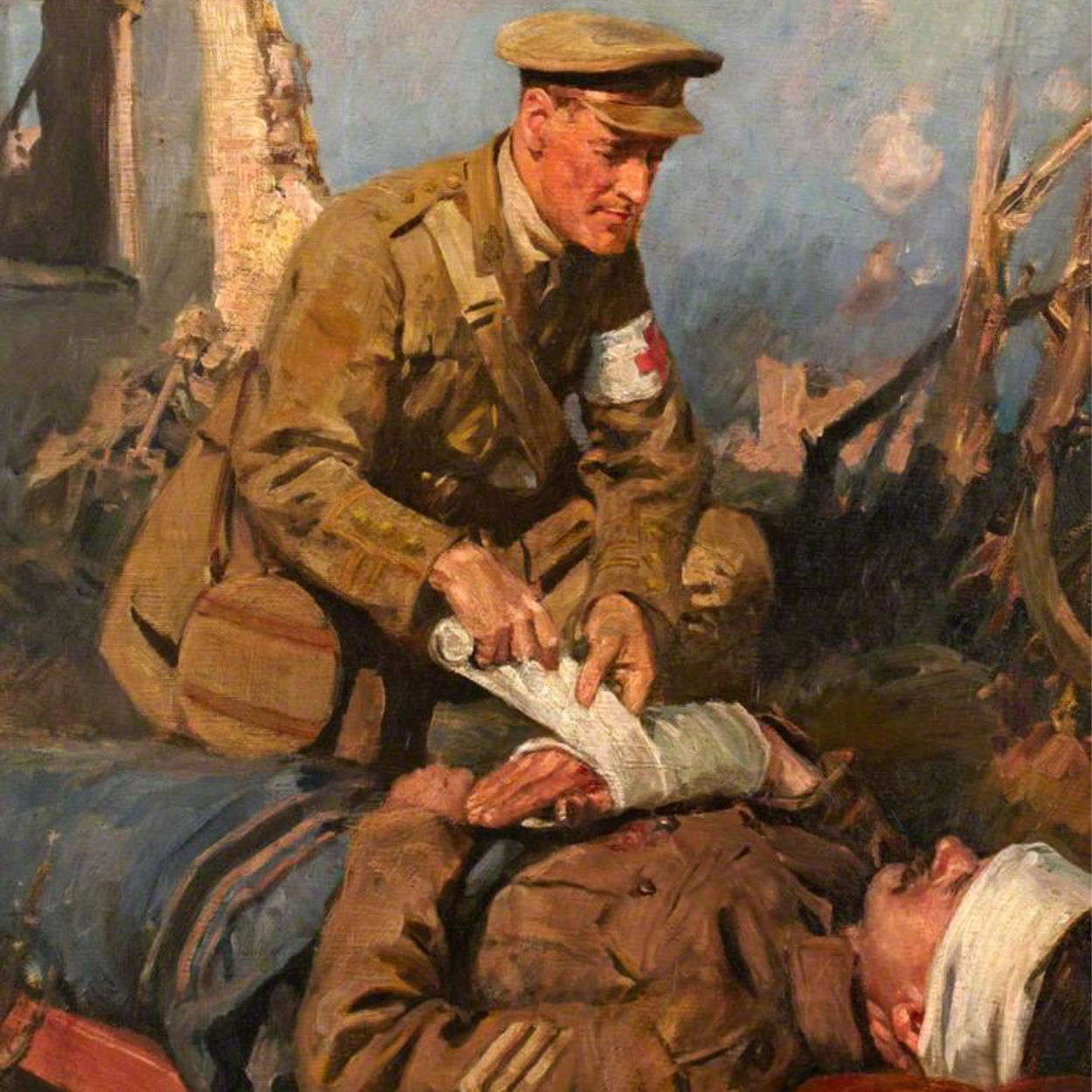
As religiosity wanes in society, fighting more and more may not be the answer—especially not compared to the power of Christian service and ministry itself.

To disagree strongly, even about sensitive, important questions, is not the same as hatred. To read some news about BYU’s honor code changes this month, however, you could be forgiven for presuming they were the same.