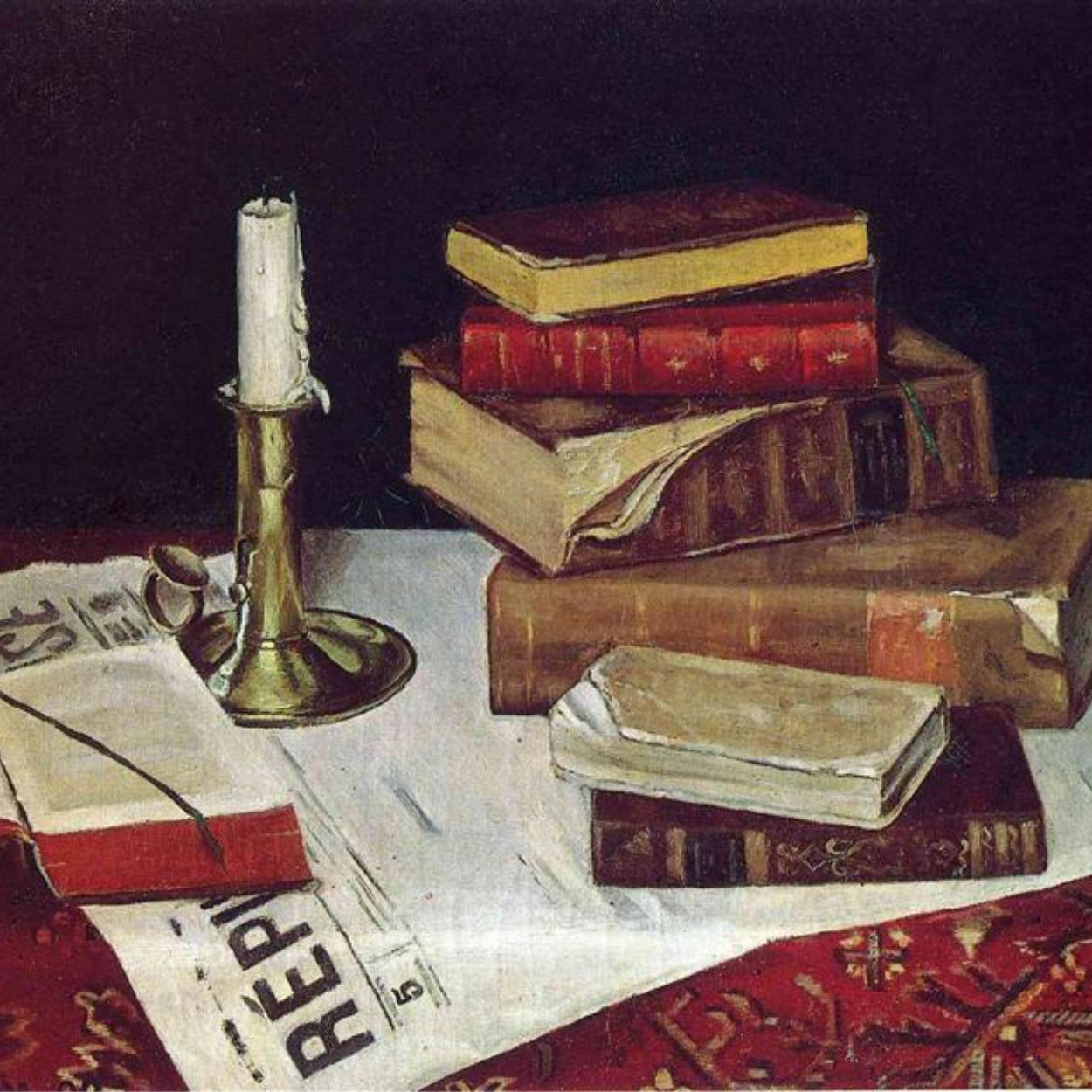
A reflection of royal attire symbolizes the struggle between narcissism and faith in understanding self-worth.

Book Club: Are We Special?

This book explores the concept of feeling special as both a divine truth and a false sense of superiority over others.

Why did I write this book?

Like many psychologists, I have been increasingly concerned with the rising tide of narcissism. I am also aware of God’s use of terms like “chosen” and “special” in scriptures to designate individuals and groups. As I am always interested in the interface of psychology and faith, I wrote this book to examine the confluence of narcissism and being chosen and to help members of the Church of Jesus Christ of Latter-day Saints, and other Chrisitan faiths, understand the truth and the lie at play in being God’s “chosen people.” 

The Truth

The truth is that we are special because we are all children of a Heavenly Father who loves us and with whom we enjoyed a special, personal relationship prior to coming to earth. Having left his presence we feel a void or a kind of homesickness that reminds us that we are more than merely mortal beings and inclines us toward our Father and his love.

The Lie

The lie is that we are special and others are not. We are uniquely set above others for greatness in this life and/or the next. The void we feel signifies our personal destiny for glory and inclines us toward the fame, prestige, wealth, and superiority over others we deserve. 

The Quadrants

Each of us is enticed by the truth and by the lie throughout our lives. I have identified  quadrants in my book to represent the ways in which we can be enticed. Whenever we accept both the truth and the lie we behave like ‘the Pharisee’ who is lifted up in self-righteous pride. At those times when we disregard the truth and embrace the lie, we become as ‘the Egoist’ who focuses on self-gratification, always wanting more. Hopelessness and alienation mark those moments when we, like ‘the Nihilist,’ deny the truth and the lie and feel worthless. However, there are also times when we are filled with the love of God and, like ‘the Disciple,’ we accept the truth and deny the lie. As we learn to practice discipleship more regularly the feeling of the void diminishes, we are filled with charity, and we reach out to bless the lives of all those around us.

Fluidity

The concept of fluid quadrants is unlike traditional personality texts that tend to stereotype and classify people into a particular type. The quadrants apply to everyone because we all respond to the truth and the lie in each of these four ways at different times and with some regularity. 

Discipline

The book provides a very practical and achievable method of gaining discipline over the fluidity with which we move through the quadrants. Regular application of the psychological practices of hindsight evaluation, mindfulness, letting go, and vigilance, combined with the resources God has provided us to fill the void such as the influence of the Holy Spirit and participation in the atonement through repentance and forgiveness, will steadily move the reader toward an increased amount of time spent in the quadrant of discipleship and a decreased amount of time spent in the other three quadrants.

Questions for the Reader to consider:

1. Have you ever had the feeling that you might be special? Do you feel like you might have a special mission or destiny? Do you read books like Harry Potter and wonder if you might be chosen for greatness? If so, how have you typically interpreted these feelings?

2. Have you ever felt a kind of void or lack inside of you, something unfulfilled, or a longing for something more than a mundane mortal existence? What have you understood that to mean? How have you tried to fill that void in the past?

3. If you are a child of a divine king, a prince or princess endowed with remarkable gifts, talents, and qualities, how does or should that feel?

4. Have you ever felt more special or superior to another person or other people? What did that feeling do for you? What, if anything, did it satisfy in you or say about you?

5. Think about times you have believed both the truth and the lie. What did you have in common with the Pharisees and Scribes of Christ’s time while you dwelled in this quadrant? Did this offer any fulfillment or relief of any sense of a void or a lack in your life? Did it last?

6. Think about times when you have denied the truth and accepted the lie. What did you have in common with the egoist while you dwelled in this quadrant. Did the pursuit of selfish pride and pleasure give you any relief or fulfillment of a void or a lack in your life? Did it last?

7. Think about times you have denied both the truth and the lie. What did you have in common with the nihilist while you dwelled in this quadrant? Did the hopelessness and despair of self-deprecation offer any fulfillment or relief of any sense of a void or a lack in your life? Did it last?

8. Think about times you have believed the truth and denied the lie. What did you have in common with the disciples of Christ time while you dwelled in this quadrant? Did this offer any fulfillment or relief of any sense of a void or a lack in your life? Did it last?

9. What small and incremental steps can you take today to increase how often you dwell in the disciple quadrant and how long you stay there? What barriers are there to entering this quadrant and how can they be overcome?

10. How can you more fully embrace and apply the practice of losing yourself in the will of Christ in your life?


About the author

Jeffrey Reber

Jeffrey S. Reber, Ph.D., LPC, is a professor of psychology at the University of West Georgia, a fellow of the American Psychological Association, a licensed professional counselor, and the founder of Relational Counseling and Consulting Services. He is a leader in the fields of relational psychology and theistic psychology, which treats our relationship with God as fundamental to our being, our relationships with others, and our morality. Dr. Reber is the author of Are We Special? The Truth and the Lie about God’s Chosen People (Deseret Book) and The Paradox of Perfection: How Embracing our Imperfection Perfects Us (Crosslink), as well as more than 40 articles and book chapters that are informed by his uniquely theistic relational perspective.
On Key

You Might Also Like

When Did We Stop Trusting the Media? A Review of “September 5”

When did we begin to lose trust in the news media? There are plenty of theories. Some suggest March 6, 1981, Walter Cronkite’s last broadcast. Others suggest it was the coverage of President Bill Clinton’s perjury and impeachment. Others suggest it was the advent of 24-hour news stations. The newest film from Paramount Pictures suggests another option in its title, “September 5.” September 5, 1972, is the day that the Black Sabbath militant group kidnapped Israeli Olympic athletes. In total, eleven Israelis were killed. But according to the journalists at the center of the movie, none of that was nearly as important as making sure the “ABC” logo was on the TV screen while the coverage went on. A brief epilogue about how the incident turned out ends with these eerie words, “900 million people watched.”  “September 5” is interesting because, in a movie presumably about the attacks, we see none of it ourselves except through camera lenses and TV screens. It’s not a movie about the attacks at all; it’s a movie about watching the attacks. The film opens as Geoff takes over the control room for ABC Sports. He’s running the night shift, when word comes in about the attacks.  The ABC studios are yards from where the attacks are happening. So they rush Peter Jennings into the Olympic village, and put their own studio camera on top of the building so they can keep a camera on the room where the hostages are being held at all times. Geoff wakes up his bosses, Marvin and Roone, who often debate the relative merits of their decisions, such as whether to turn the story over to ABC News rather than the sports division or whether or not to call the attackers “terrorists.” These compelling arguments make for thoughtful viewing. Ben Chaplin, who plays Roone, an American Jew, does particularly good acting work as he tries to find a nugget of morality in what they are doing.  But every argument ends with the decision being made that will best help ratings and ABC. No matter how many times they argue about good practices, such as waiting for a second confirmation that the hostages were all safe before reporting, the better angels of our trio of decision-makers always lose.  By the way, the hostages weren’t safe, ABC did get the story wrong because they were relying on German state news, and Germany was trying to look safe and less militaristic in their first major international attention since the end of WWII. But for a moment, when the station thought the hostages were safe, their only concern was getting them in the studio for interviews.  Marvin Bader tries to use the language of “the story” as though his audience deserved to have “the story” in real-time. And no matter what decision they made it was in pursuit of capturing the story. But this justification rang shallow as the movie moved on. When the German police burst in to get them to stop telecasting their rescue attempts live because the militants were watching, they stopped to get them to put their guns down, but turned the feed back on nearly as soon as they had left. All of this makes this an engaging movie that is worth watching. When journalists are the main characters, we expect them to be the good guys. “All the President’s Men,” “Spotlight,” “The Post.” Even the film “Shattered Glass” about a dishonest journalist, spends more time highlighting the good journalists who caught him. “September 5” doesn’t offer the media such a convenient way out. By making its characters clear-headed and conflicted, they are more than simple villains. They are exactly what the pressure of studio news would naturally produce. There are real powerful forces driving the decisions of the news industry that are at odds with what is right or good, and all too often, there’s nothing we can do about it. If we are curious about how the spiral of trust began, this film serves as a worthwhile primer while being entertaining as all get out. The film is rated R. It is thematically tough, dealing with questions like whether to broadcast an execution live, but none of the violence of the incident is actually seen the movie. In terms of a ratings feel, I might compare it to the film “Gravity” while using the word “f***” three more times than is allowed in a PG-13 film. I wouldn’t recommend this for young children or young teens, but the themes about how media manipulates us would be important for older teens, and I might consider watching this film with my kids once they turn 15 or so.  If I did, I’d ask them questions about the nature of journalism. Is getting the story more important than the lives of the kidnapped Olympic team? Do we need to know about what’s happening in real-time on the other side of the world? How has constant news coverage made the world a better or worse place? What motivates those who choose what to show on the news, and how they tell those stories? Four out of Five Stars. September 5 has already had a limited release, and it is rolling out in individual markets across the country through January. 

Subscribe To Our Weekly Newsletter

Stay up to date on the intersection of faith in the public square.

You have Successfully Subscribed!