
We may share eternity with our political adversaries. That possibility should change how we treat them now.

Women deserve more than permission to choose. They deserve the wisdom and moral guidance to choose well.

The spiritual impact of tithing reaches beyond budgets, investment returns, and promises of material prosperity.

Church steeples turn sacred architecture into an invitation to lift the eyes, the mind, and the heart toward God.
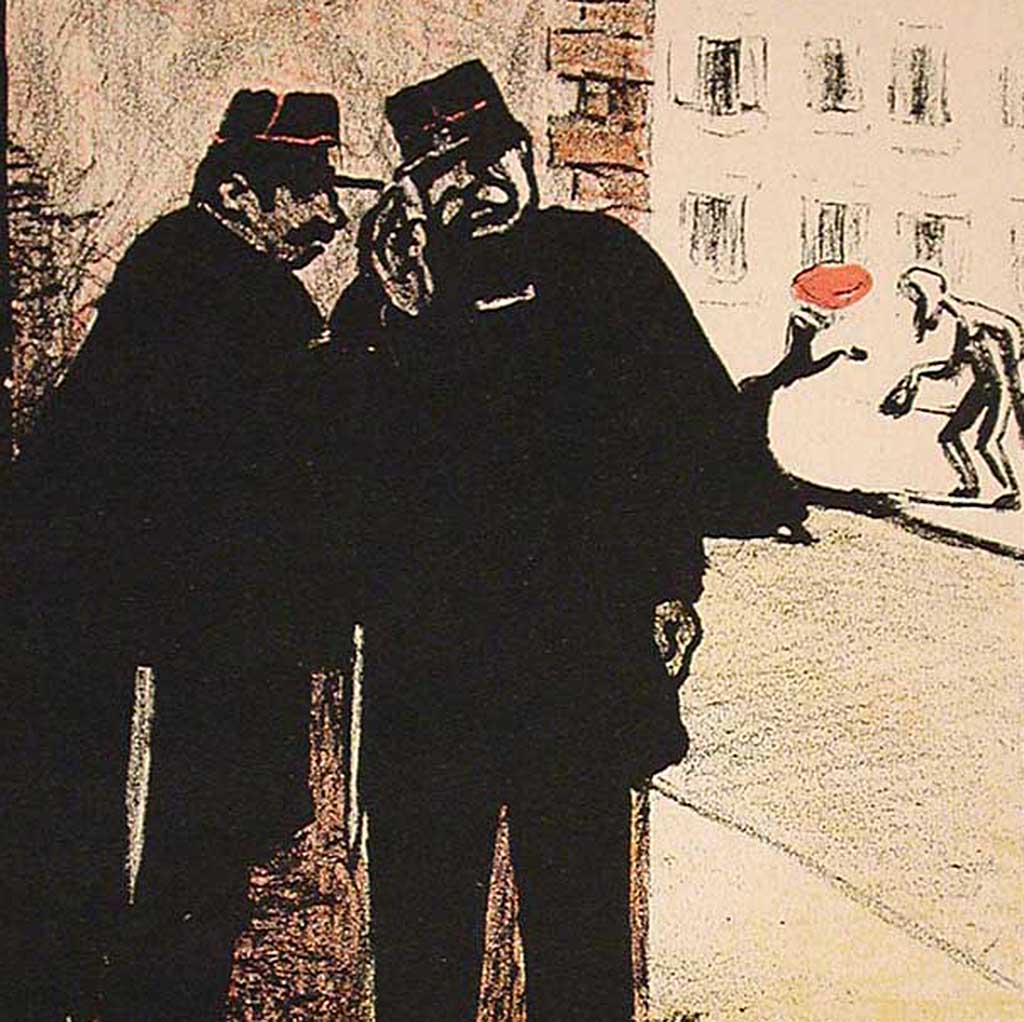
As we seek to improve policing in the United States, here are three concrete ideas and fresh practices from the British that we may do well to consider.

Rediscover the profound significance of fidelity to God. This analysis illuminates its role in our lives, bridging the gap between ancient wisdom and modern realities.
I wanted to draw your attention to an interesting Twitter thread from yesterday by a cartoonist named Owen Cyclops. Cyclops is an esoteric, often drawing threads from many different mythic traditions in his art. He recently sat down to read The Book of Mormon and noticed an interesting parallel with the tradition in Tibetan Buddhism. According to Cyclops, Padmasambhava brought Buddhism to Tibet and made many changes to the tradition. It is also believed that Padmasambhava hid future texts to be found later that will address matters specific to that future time. When these are published, hundreds of years later, the authorship is attributed to Padmasambhava. Cyclops considered this in response to the frequent critique of The Book of Mormon that it deals with theological issues that were being debated at the time The Book of Mormon was published. Latter-day Saints look to Moroni’s explanation in Mormon 8:35, “I speak unto you as if ye were present, and yet ye are not. But behold, Jesus Christ hath shown you unto me, and I know your doing.” It is certainly noteworthy that this explanation finds parallels in remote faith traditions. You can read the entire Twitter thread here: american religion threads: ALLEGED ANCIENT AMERICAN CHRISTIAN TREASURE AND HIMALAYAN WIZARDS hello. while having coffee before work i would like to tell you something i have thought, that i find interesting. of course, as usual, i have no idea if its true. its just strange. pic.twitter.com/1sfjWL3uA0 — owen cyclops (@owenbroadcast) May 31, 2022