Research shows sexual violence is more likely where women are isolated, unsupported, undereducated, unmarried, and surrounded by addiction.

Discarded boundaries do not produce freedom when children, marriage, and human dignity are treated as content.

Do bias charts capture real distortions? Absolutely; they also miss framing, sourcing, scale, and beat inexperience
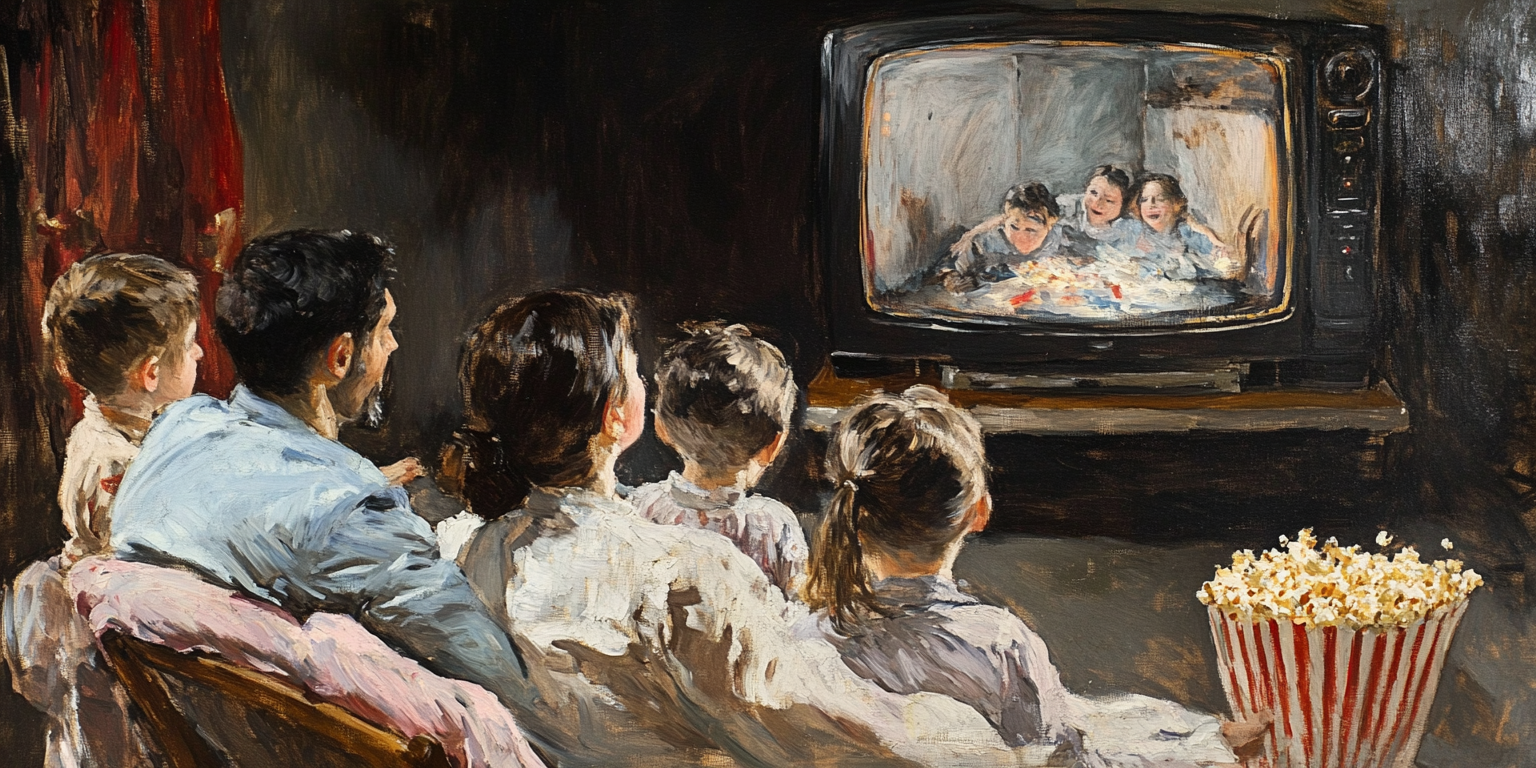
How are Latter-day Saints misrepresented on TV? Prevailing stereotypes and lack of diversity persist in the media.
Our daily rundown of the articles from around the web that we feel our readers would enjoy and appreciate. We hope to highlight the best of what’s around. Public Square Bulletin recommends: The Road to Decriminalization of Psychoactive Drugs Runs Through Religion Brad Stoddard – Religion Dispatches Brad Stoddard outlines the movement to decriminalize psychoactive drugs, and the role religious rhetoric and experience play in it. Whether you agree, or want to be aware of how religious freedom rhetoric is being used, it’s worth the read. We must not let health care become a religion-free zone Charles C. Camosy – America Magazine This Jesuit publication focuses on what it calls the “absolutely bizarre” insistence that religion should not play any role in the world of medicine. Camosy outlines the long-term problems of this approach. Threats to religious freedom and to women go hand in hand Jeff Brumley – Baptist News Global A panel at the United States Commission of International Religious Freedom found that everywhere religious freedom is threatened, the rights of girls and women are threatened as well. To Those Who Say Religion is for People with Weak Minds Daniel C. Peterson – Meridian Magazine Since Freud, many have concluded that religion is only adopted as psychological comfort. Daniel Peterson looks at various refutations of that argument, including a look at the possible psychological motivations of atheism. Getting ‘More Christians Into Politics’ Is the Wrong Christian Goal David French – The Dispatch Having people of faith in powerful positions used to be seen as a default good goal for many Christians looking to expand their influence in politics. French suggests that may no longer be a wise approach.

How should fidelity to country be manifested? It must combine reverence for founding principles with responsible critique and relentless pursuit of just laws.

The question of trust is front and center in crises in America today. Some declare a need to “trust more”—while others insist on less and a need for more scrutiny and critique. What if they are both right?
Stay up to date on the intersection of faith in the public square.