Dialogue
A Latter-day Saint Empiricist: An Interview with Tarik LaCour
One of the most fascinating rising Latter-day Saint philosophers sits down with Public Square Magazine to discuss consciousness, empiricism, and racism.

One of the most fascinating rising Latter-day Saint philosophers sits down with Public Square Magazine to discuss consciousness, empiricism, and racism.
Most people seem not to appreciate how deeply some of the popular ideas advanced by advocates of Critical Race Theory conflict with the foundations of liberal democracy. More, not less, attention needs to be given to this disconnect.

Many appeals for peace center on various ways to bring people into greater cognitive alignment. But as highlighted in recent addresses, modern prophets are pointing towards a deeper pathway to peace centered on orienting our hearts collectively toward the great Parent of us all.
In Faith Matters’ podcast, “Elusive Unity at BYU,” Church teachings about sexuality and the family are characterized as in profound conflict with the “real experiences” of Latter-day Saints identifying as LGBT+. In what ways might unexamined assumptions about identity be contributing to this same divide?
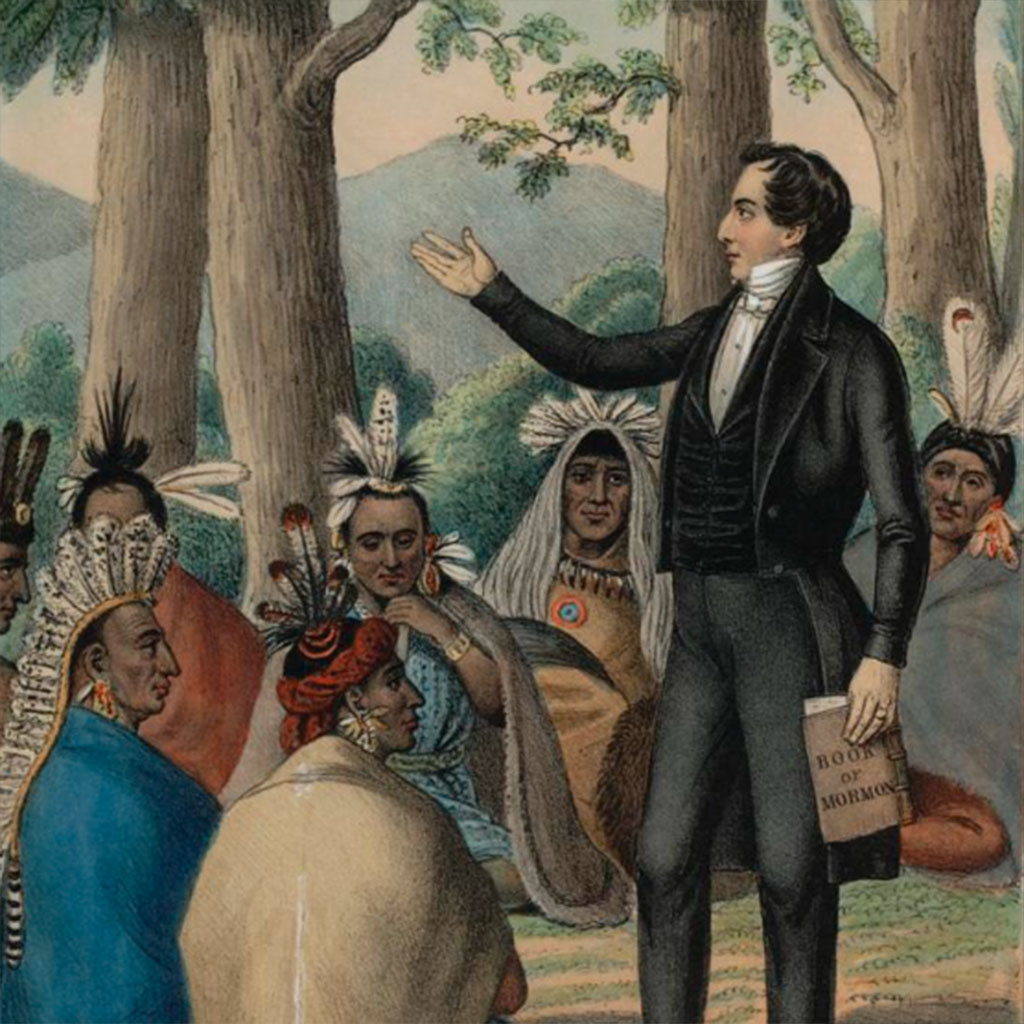
Although text has been the primary medium of communication in the restored gospel, there are exciting ways in which fresh visual depictions can expand our understanding and appreciation—including in sensitive areas like race and gender.

Did you know countries in the world best for religious freedom are also best for gay rights? A lesbian minister shares why she believes “covenantal pluralism” might hold a big clue for healing the LGBT+ / faith divide.
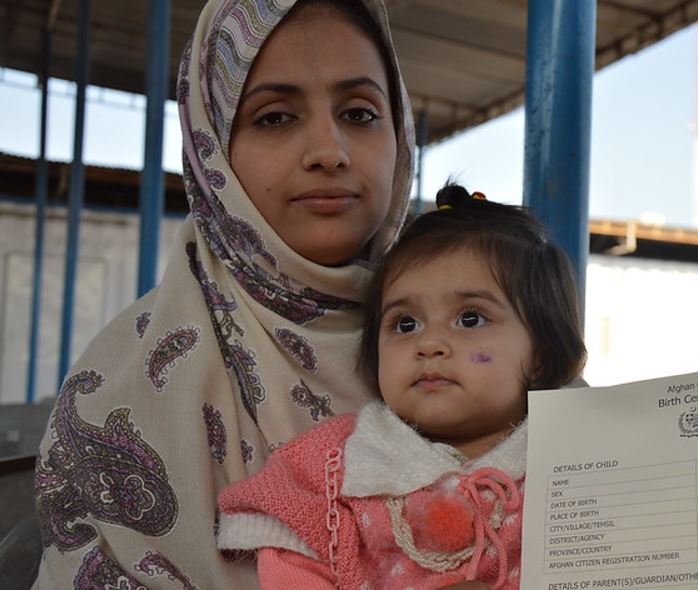
Among the many legitimate questions Americans have asked since the Taliban takeover of Afghanistan, one has risen to the top regarding our influx of Afghan refugees: “How can I help?” Let me tell you how.
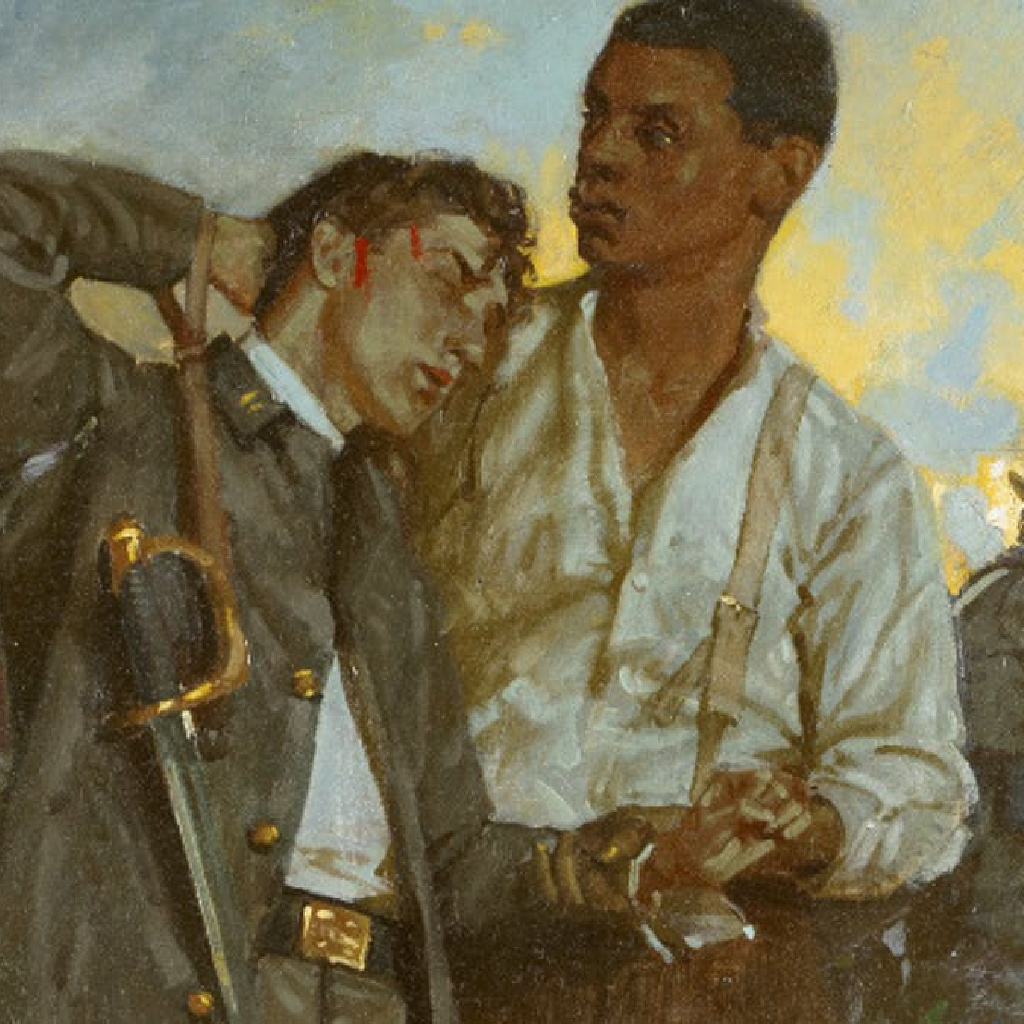
How does seeking to be a loving “ally” overlap (or not), with seeking to be a loving “disciple” of Christ?
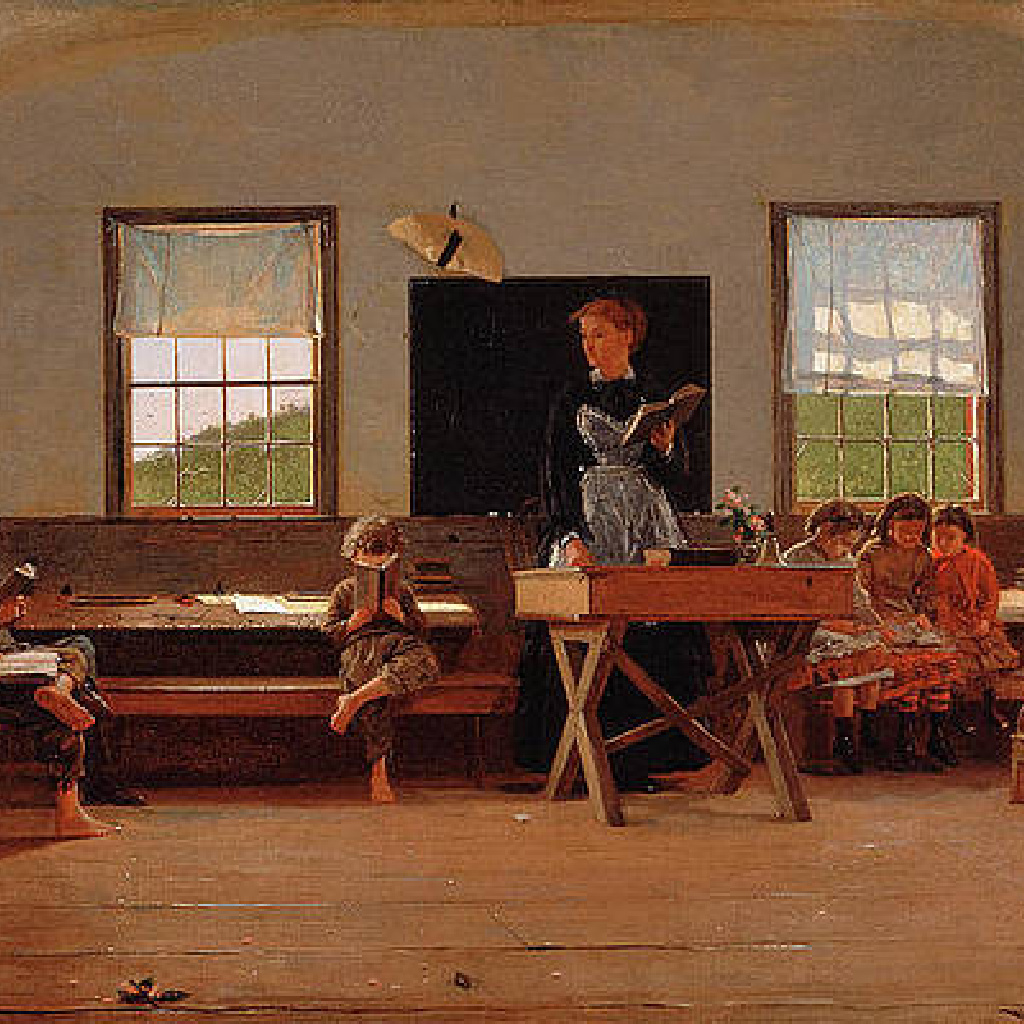
A BYU-Idaho professor writes to his students about the role of belonging, safe-spaces, and pride imagery.
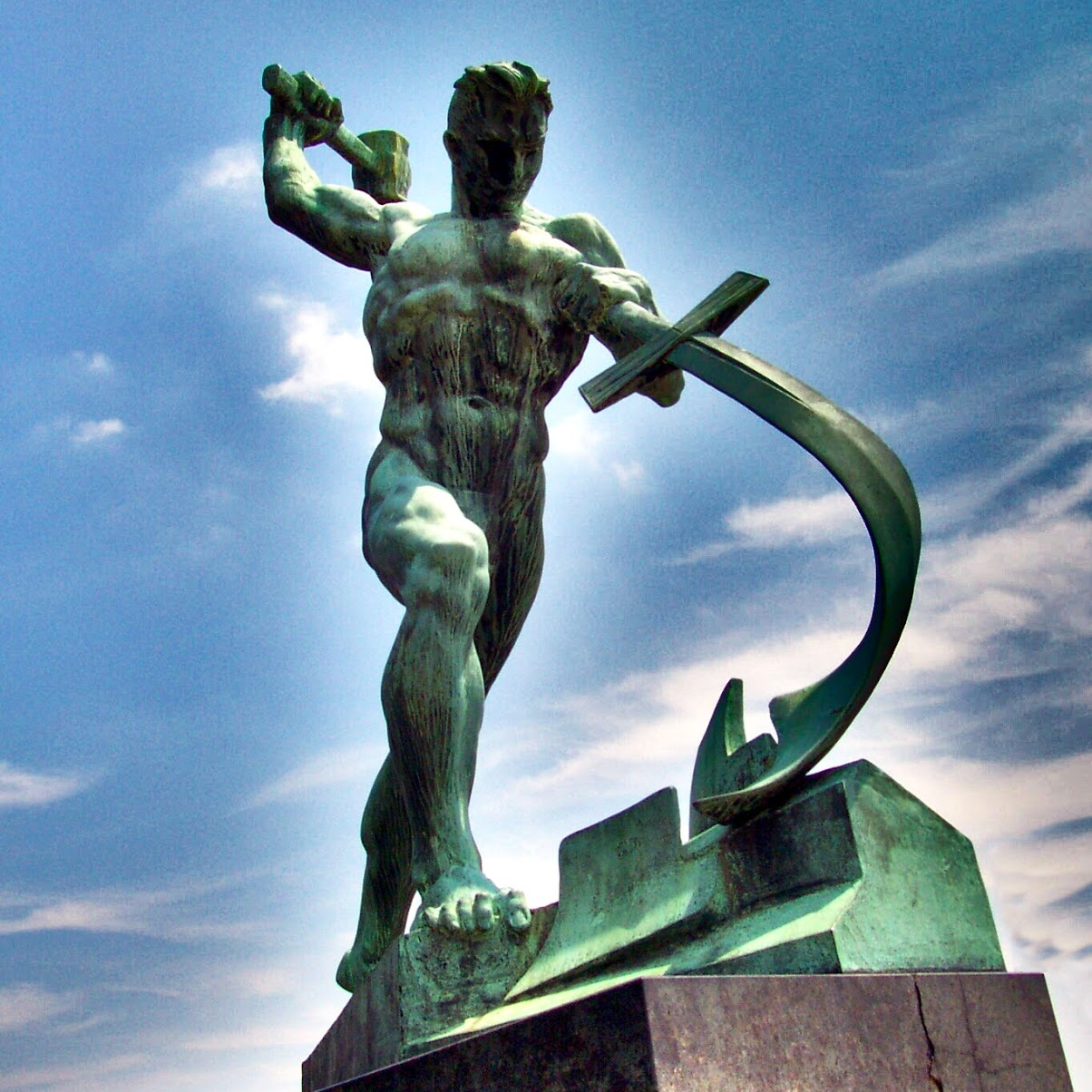
Recent criticism of Elder Holland’s remarks show us that anyone can be made an enemy, but the tradeoff is a world where the most vulnerable are taught they have very few friends.
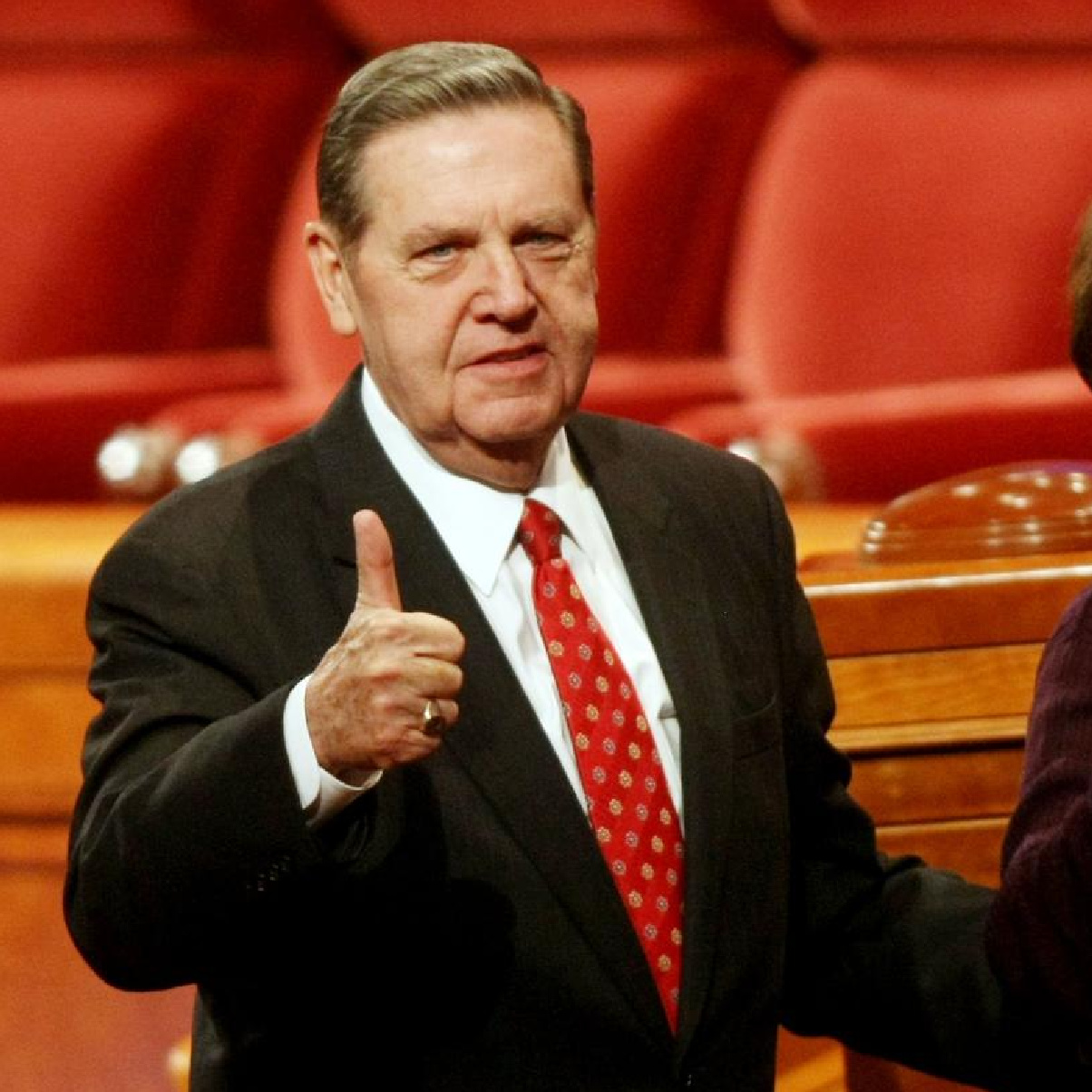
The Elder Holland I have known and loved for decades bears no resemblance to the cruel and unfair characterizations now being made about him. After his lifelong example of charity, he deserves a more generous response.

Those who indict prior generations for “lying” because their histories differ from modern-day telling’s in scope or emphasis, plainly demonstrate what anthropologists call “ethnocentrism.” That’s a problem. And it’s time to hold these accusers more accountable for the real-life, human impact of their allegations.