Dialogue
Competing Narratives of Danger in America
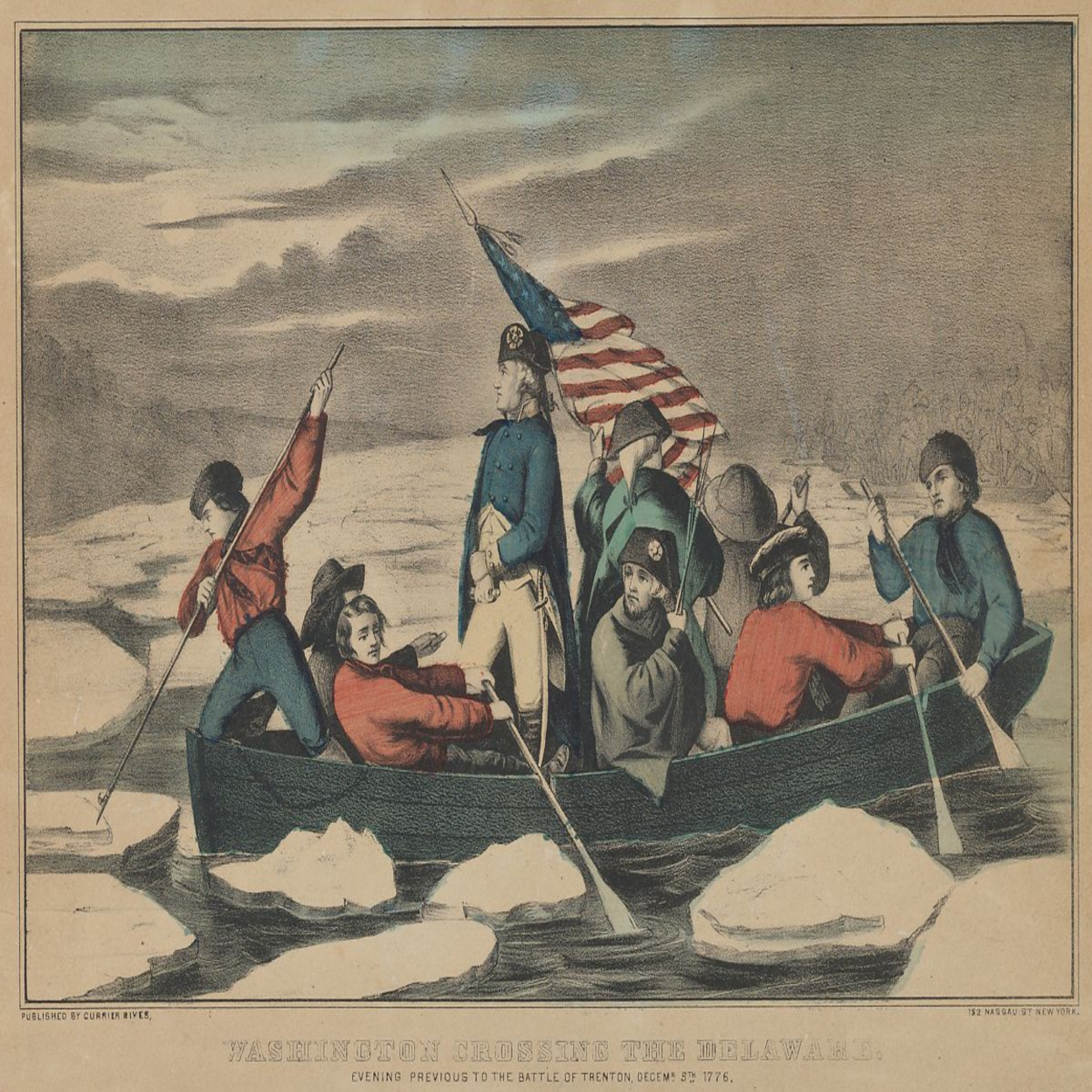
Most everyone agrees that the United States is in trouble. Like everything else, however, we don’t agree on what that danger entails.

Most everyone agrees that the United States is in trouble. Like everything else, however, we don’t agree on what that danger entails.
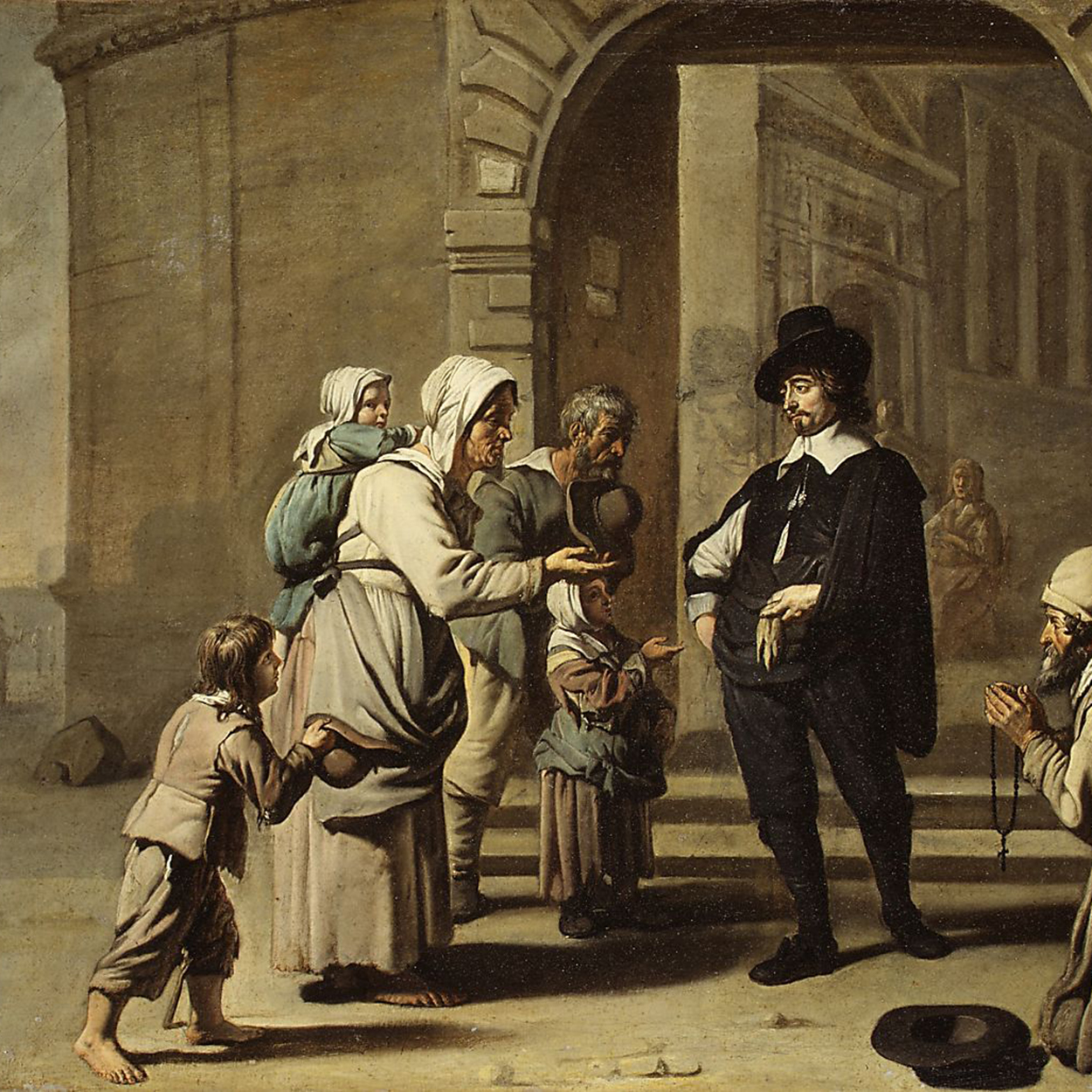
More empathy for the difficulties, fears, and frustrations of others ought to help us move forward together despite political differences. These eleven books have helped me deepen my understanding of poverty in America.

Are there understandings of social justice that would help us unite around its aspirations—rather than continue fighting over it?
Being judged for being “judgmental” has become so commonplace we hardly think twice about it. But sound judgment says we should.

Although tolerance is believed to be a way to avoid contention, if applied incorrectly, it can be used more as a weapon than a notion of compassion.
Those critiquing J.K. Rowling and other luminaries for signing off on a letter about open debate don’t seem to appreciate the extent to which threats on a few have rippled out to influence the self-censoring and fearful silence of millions.

Ever been zoom-bombed by neo-nazis? I have. The intensity of the experience helped prepare me for what American is facing today.

In response to those sensitive souls asking, “Why am I not there yet as a person?” or “Why are we not there yet as a society?” Latter-day Saint theology offers a patient optimism for steady growth in us and around us—along with the anticipation of collective light to become “brighter and brighter until the perfect day.”
In this time of growing hostility, there may be important things to learn from another time of deep conflict—one that resolved in a surprisingly peaceful way

If you have questions or concerns about the Black Lives Matter movement, does that make you racist—or suggest that you don’t believe “black lives matter?” Of course not. But if Americans were needing a reminder of why not, Jonathan Isaac just provided it.
If we seek to end direct violence without paying more attention to structural and cultural contributors, will we be successful? Not if we’re paying attention to advice from the Book of Mormon.
However challenging it has been to make sense of evil as believers, try doing that without God in the picture. As many conclude there is no ultimate purpose or justification in evil, there is likewise no sense of ultimate redemption from it either. How could you not then feel despair and outrage?