Gospel Fare
When Faith Meets Policy: Finding Harmony in Holy Tension
Why can faith withstand policy conflict? Humility, patience, and charity reveal harmony within holy tension.

Why can faith withstand policy conflict? Humility, patience, and charity reveal harmony within holy tension.

Why remain when doubt seems reasonable? Faith trusts revelation, finds strength in community, and chooses belief.
Why do ward choirs matter? They build unity, model male-female harmony, bridge communities, and teach belonging.
What does it mean for prayer to be answered? Prayer transforms the soul through honesty, faith, and divine guidance.

What does repentance mean for families of faith? They show it restores peace and strengthens bonds with God and family.
What makes faith so difficult today? Cultural pathologizing has distorted doubt and weakened spiritual growth.
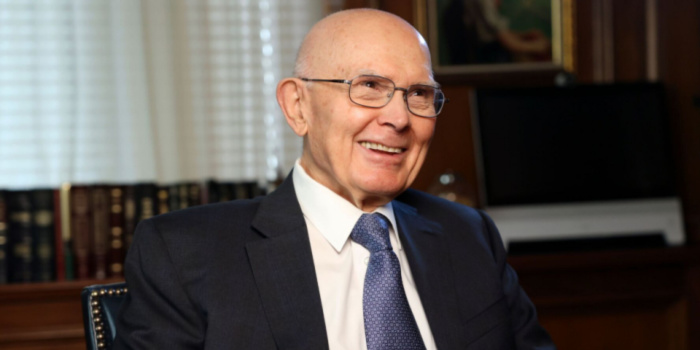
Dallin H. Oaks pairs law with love, showing humility, outreach, and a call to hold truth with tenderness.

Is empathy always good? Without scrutiny, it feeds bias, but with reality testing, it grounds compassion in truth.

The Public Square community looks to the themes they learned from the October 2025 General Conference

How can peacemaking prevail amid rage? When peace is chosen with faith in God, beauty from ashes, and outreach.
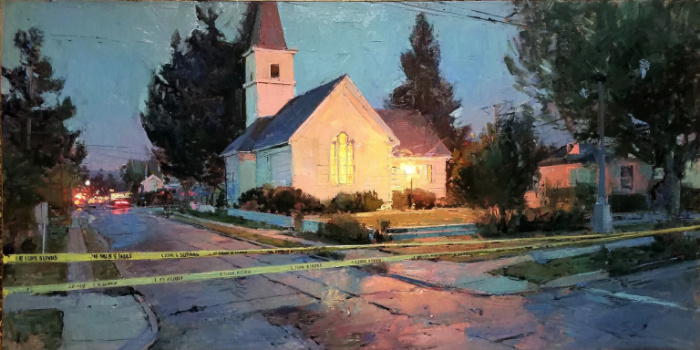
Why must sanctuary matter again? Violence pierced sacred space, yet renewal remains possible through mercy and clarity.
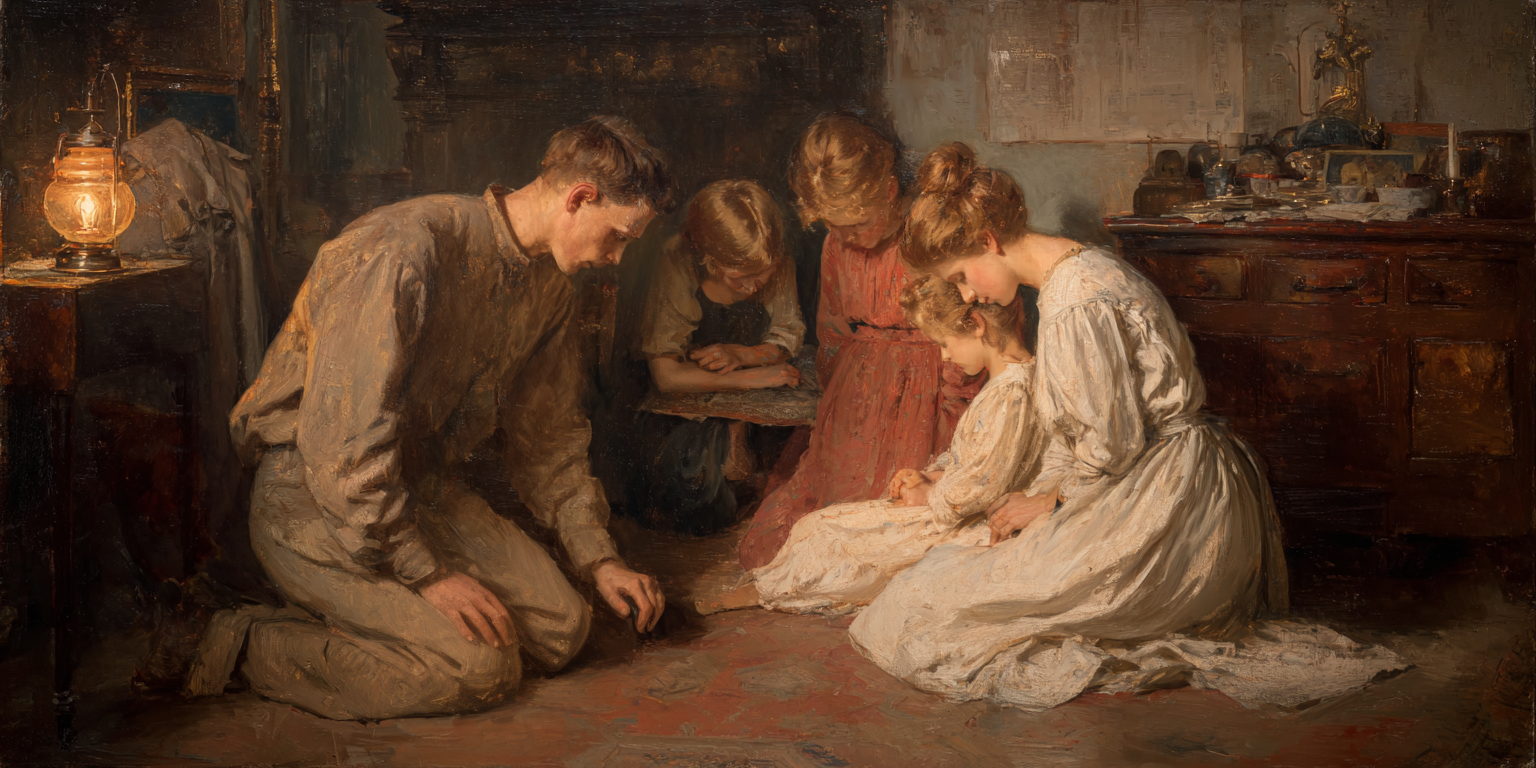
What should believers do amid extremism and grief? They choose peacemaking, refuse contempt, and honor every soul.