
Politics
Caesar’s Dues
When society frays, the answer is not to force righteousness, but to embrace liberty that lets truth and virtue persuade.

When society frays, the answer is not to force righteousness, but to embrace liberty that lets truth and virtue persuade.
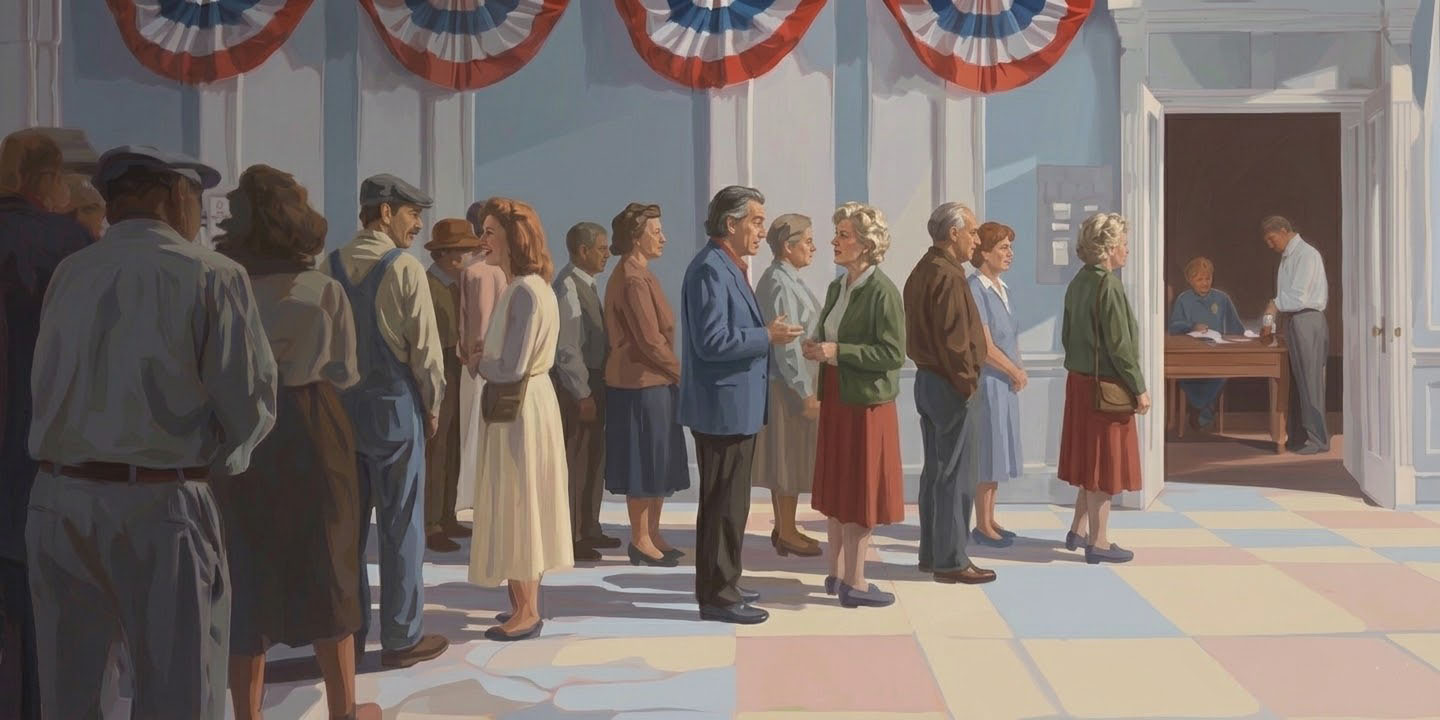
Many Americans reject party labels, yet absence from party processes leaves activists shaping ballots and platforms.

Should politics supersede family bonds? No. Forgiveness and respect in families sustain both unity and society.
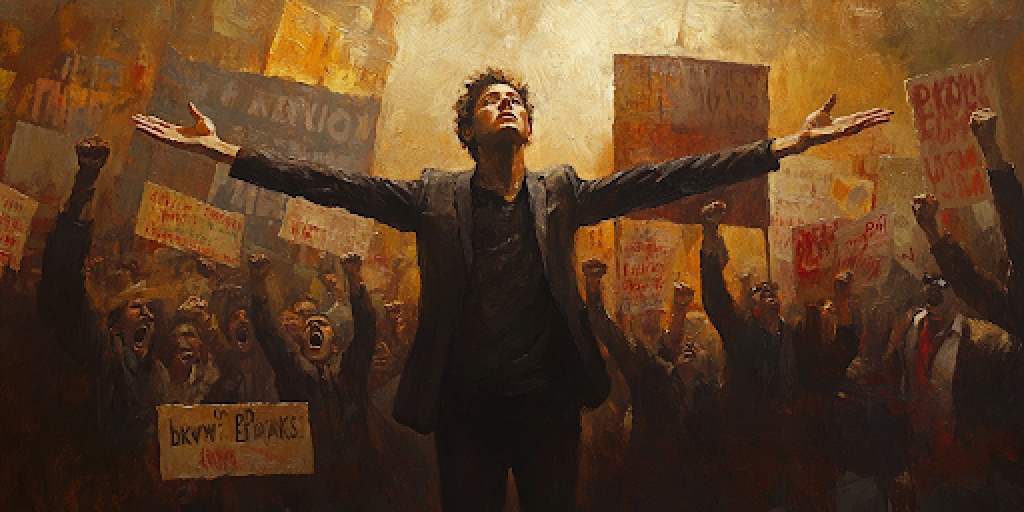
Is freedom purely external? True freedom comes from inner strength and spiritual liberation, not political victories.

Are we electing presidents for the right reasons? Protecting the Constitution is their duty, not policy debates.
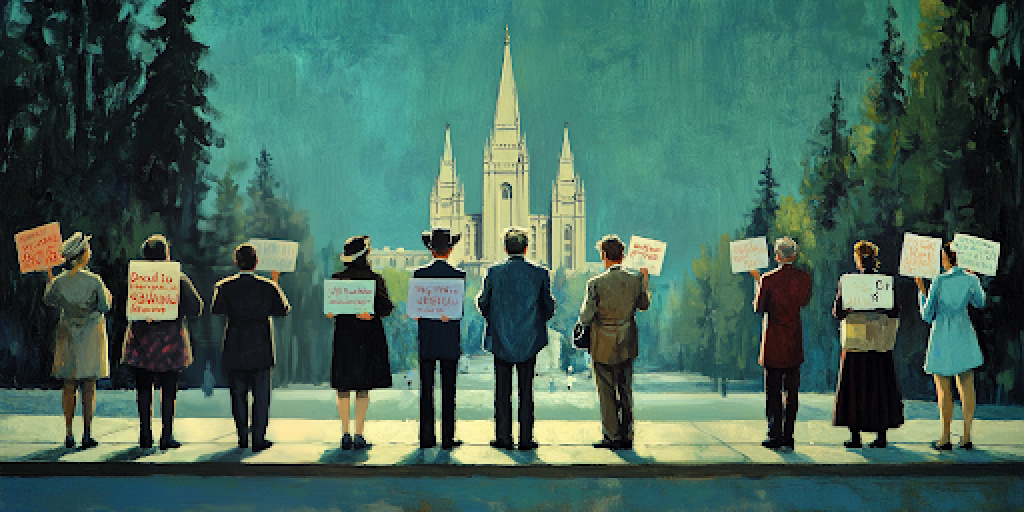
What motivates Latter-day Saints’ votes? Faith, morality, and pragmatism drive choices across political lines.

Can opposing political views coexist in personal relationships? Absolutely, with active listening and genuine respect.

How can Latter-day Saints approach political polarization? They should embrace moderation, humility, and peace.

Latter-day Saints lack a dedicated civil rights group, leading to challenges in political and cultural advocacy
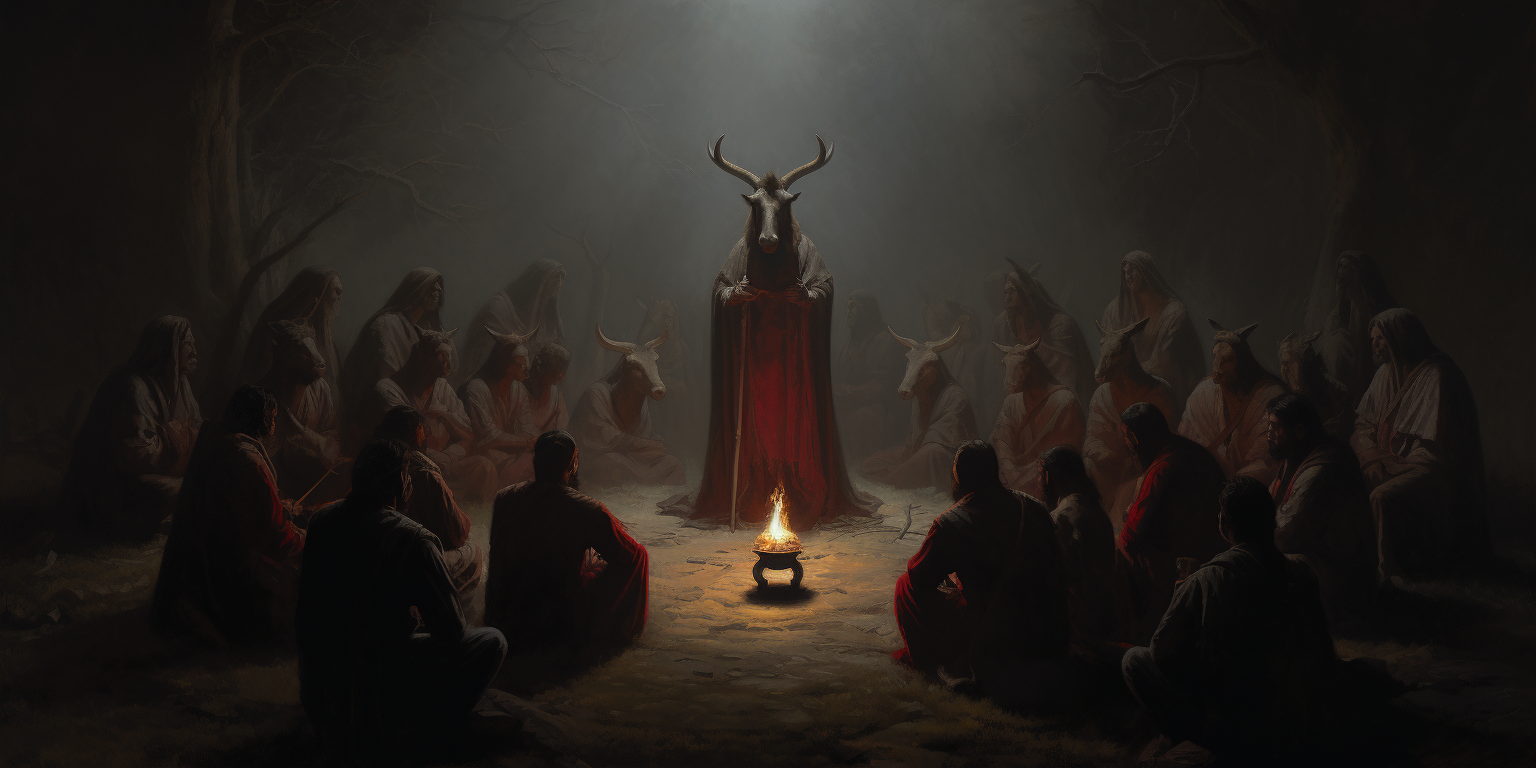
U.S. politics mirror cult dynamics, but counter-intuitively, it may be religion that helps us escape this cult

Is political neutrality sustainable? For religious bodies, it may be pragmatic, given current defeats in the culture war, but must defend against the risk of relativism.

When heroes like Tim Ballard face allegations, it shakes public trust and prompts reevaluation of beliefs. The fallibility of influencers, especially within religious communities, reveals the danger of elevating individuals over core principles.