Editor’s note: This is not a time of great empathy or curiosity across American differences, to say the least. That is what made this public appeal by Tracy Hollister, a gay woman who fought fervently for marriage equality (and a lifelong Democrat until she became an Independent this year), so striking. I have known Tracy since 2014—having participated with her in a focused dialogue effort to try and span differences over sexuality and faith in America. In 2015, she and I wrote about our experiences trying to bring people together across these divides in a Huffington Post piece entitled, “Eating Hummus With the ‘Enemy’: From Aversion to Affection.”
Over the years, I have come to love Tracy deeply, and feel loved by her with equal depth. We’ve spoken on the phone for hours, worried about each other’s families and health, and looked for excuses to visit in person. I find her a woman uniquely committed to truth—wherever she finds it—even, remarkably, if it betrays her own assumptions and previous understandings. I’ve seen how much push-back Tracy has received as she’s decided to share unsettling new insights with others—and witnessed how emotionally rough that experience has been. For example, Tracy has stood up against the increasing trends of online censorship and for freedom of speech for dissenting and sometimes-banned voices. And, amidst the many legal challenges to the presidential election, Tracy has advocated for restraint among her left-leaning friends until the process plays out so that the vast majority of Americans—including Trump voters—arrive at a place of much greater confidence in the electoral results, for the sake of our democracy and respecting our fellow citizens.
All of this contributes to why Tracy’s words below—a composite of her public sharing between October 19 and November 3—are so compelling, poignant, and heartening. Especially at a time when many conservatives feel besieged in the public square, and ridiculed and censored online, her words are refreshing and hopeful. Thank you, Tracy, for modeling the kind of courage and curiosity that America so dearly needs right now. There is great suffering in carrying chronic resentment toward any group of people—and you point the way forward not only in your words but in your personal example of many years.
***
Dear America, This should not be a controversial post, but if you believe in freedom of speech, fighting for the underdog, and in seeking to understand those who are different from you, you may enjoy it.
In the wake of another divisive election and likely uncomfortably long vote-counting period, I want to share some insights I was lucky to learn about conservatives in my work bridging political divides. I did this working for Living Room Conversations and attending a few Braver Angels events, and getting to know some conservatives personally. I share them in the hopes that some of you might feel and act better toward your fellow, more conservative citizens.
This message can be for everyone, but my focus here is especially on those who have a progressive background or mindset, as our power and control centers on what we say and do, so we must look at ourselves and not get into “but they. …”
My hope is that we may be encouraged to break free from those who want to keep us artificially divided so that we can have greater connections with and understanding of the conservatives in our lives—and be better for it.
I learned that the enemy is stereotypes, not the people themselves.
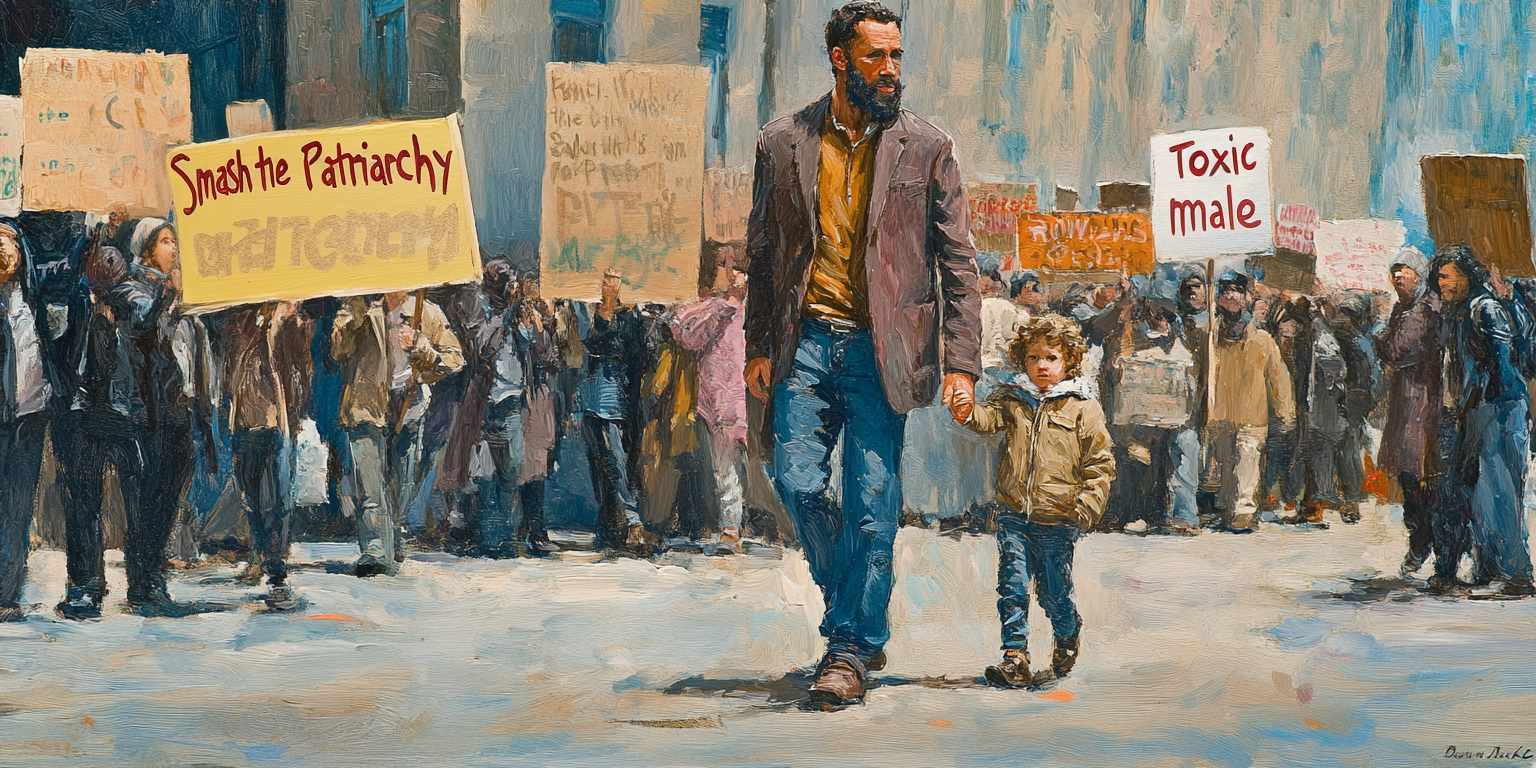
As a gay woman who has identified as progressive for most of my life, I was taught that I should be kind and compassionate toward most people—underprivileged people, people of color, immigrants, EXCEPT one group which was to be vilified and “otherized” and even shut down: conservatives.
YET since I was from a group which got vilified and otherized by some social conservatives, I learned that what broke the spell of stereotypes was us LGBT people coming out and letting people get to know us as real people who, like them, deserved freedoms like the freedom to marry. I learned that the enemy is stereotypes, not the people themselves.
Likewise, I got to know many conservatives who I formerly stereotyped. I shared meals and conversations with conservative leaders who opposed my marriage equality work in North Carolina and nationally. I took part in a documentary (One: A Story of Love and Equality) in which I got to know and was responsible for bringing the anti-marriage equality voices into the film, and I spent hours with other conservative friends in various dialogue efforts.
Through getting to know these conservatives in my life, I found that I actually liked and respected and even loved many of them. I concluded they deserved my curiosity and respect, not my prejudice. Here are a few other things I learned from these experiences:
1) The conservatives I personally know are kind, caring, and generous people who have different ideas about the role of government and how good of a job it (versus individuals) can do in taking care of our needs. Many share the same values as liberals but in a different priority order.
Don’t believe all the stereotypes you hear about your political other by the media or those on your social media. They may be hyped up and just not true. Just as you know there are stereotypes about your group that are not true, consider that those ideas your group has about another group are also not true. We are all unique individuals, like everyone else. ?
It simply takes will and courage to understand those who differ from you.
2) We need conservatives and their viewpoints. Truth is multi-faceted, and many times and in many ways, conservatives have valuable contributions, and their voices are important to bring to the table rather than put in closets of shame and silence (like gay people!).
3) Many conservatives feel so demonized, name-called, and “talked down to” by self-righteous liberals (which I used to be) that they are reluctant to even engage in dialogue. To their credit, many liberals I know have learned to put their judgments aside and be curious and open.
It may be hard, but make yourself proud by replacing judgment with curiosity, certainty with humility, contempt with kindness. Don’t wait for others to change first; be the change you seek.
4) When I got to know people on the right and was able to break out of my liberal echo chamber (in which I used to actively demonize people on the right), I felt a greater sense of peace and connectedness rather than separation and isolation from my fellow human beings.
I am a better person because I now have several conservative friends who treat me with respect. I am more in touch with how various people think and our ultimate “oneness.”
It simply takes will and courage to understand those who differ from you. It’s simpler and less scary than you think.
5) Last year, I organized a public dialogue on immigration for CNN.com and Living Room Conversations (shown here in this short video). As featured there, there is much to learn from some immigrants who have had first-hand and very negative experiences growing up in Communist and Socialist countries, and who are deeply concerned that the U.S. is moving in that direction. Many of these conservative-leaning immigrants are especially worried to watch our freedom of speech being squeezed through censorship and political correctness to restrict what can be said in the public square.
Those like me who love free-thinking, dissenting, and respectful democratic debate should be concerned about what Glenn Greenwald of The Intercept (and Bari Weiss of the NY Times) say in their resignation letters about the internal censorship they faced in their publications.
6) Although this may be challenging for some people to hear, I believe that certain people who seek global control and power are actively working to divide the United States through political, racial, and other forms of divisions. They have influence over the media and social media, and we are being manipulated by them and their fear-mongering. Don’t fall for it.
We can rise above the partisan rancor and step into our own power.
Instead, intentionally befriend those with whom you are not “supposed” to be friends. It can be liberating to embrace political diversity. If you want to find a way to meet with those across the political spectrum and find a productive way forward, you can join a Living Room Conversation here or participate in one of the many online programs with Braver Angels. You can also be a part of #WeavingCommunity!
When we focus on connecting as human beings and not political enemies, we can rise above the partisan rancor and step into our own power and out of the anger, fear, and hopelessness that comes from being played as pawns in someone else’s game of “divide and conquer.”
7) Right now, those who hold views that are critical of powerful voices and viewpoints on political and health matters are being suppressed and censored. I know of dozens of YouTubers and Facebook accounts who have been taken down or deleted with little explanation. I know many others who are forced to play a dystopian game of Taboo—literally have to talk around certain keywords that are not allowed anymore.
We need these voices and the information they are trying to share. Allowing only one global view on anything—even on sensitive public health matters like the coronavirus—doesn’t feel healthy and seems a significant threat to a free, democratic society. Now more than ever, we need progressive voices willing to stand up to support the freedom of speech and the right to dissent (like the late Justice Ginsburg did so well) of those who disagree, especially if those voices are conservative.
This is my way of doing just that. Please share—if you dare—and if you agree with what I said OR my right to say it without censorship and social backlash.
Thanks for listening, thanks for caring about freedom and our country. And thanks for reading all the way to the end! Peace to you!