Election Aftermath
Disagreement is Not Disunion
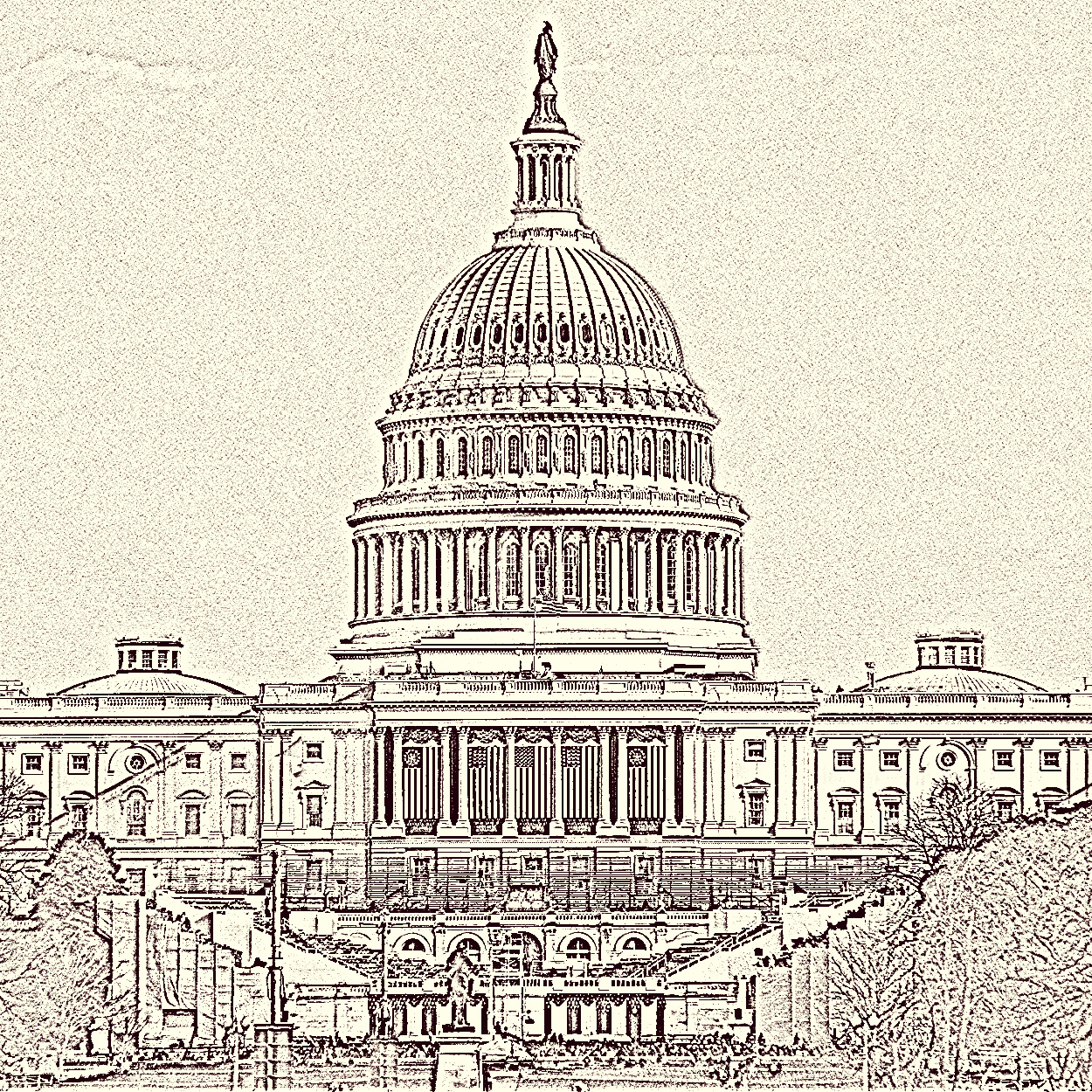
The inauguration of our new president is almost a week old. There’s one especially striking moment from his speech that can’t and shouldn’t yet slip from our memories.

The inauguration of our new president is almost a week old. There’s one especially striking moment from his speech that can’t and shouldn’t yet slip from our memories.
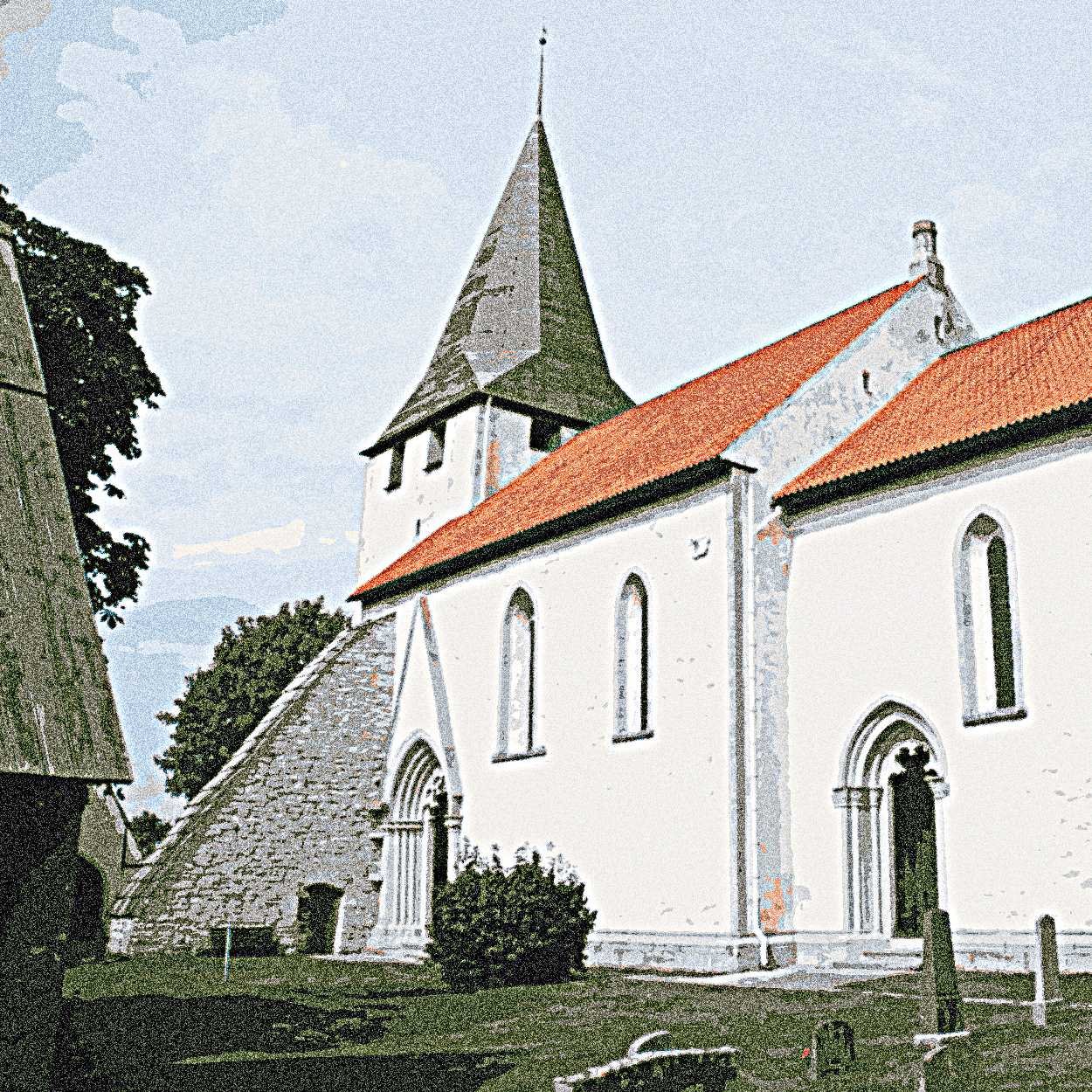
With a new year comes a new focus of study for Latter-day Saints—and an opportunity to think more expansively about what “the Church” is.

The basic bargain of democracy is that citizens mutually forswear political violence.
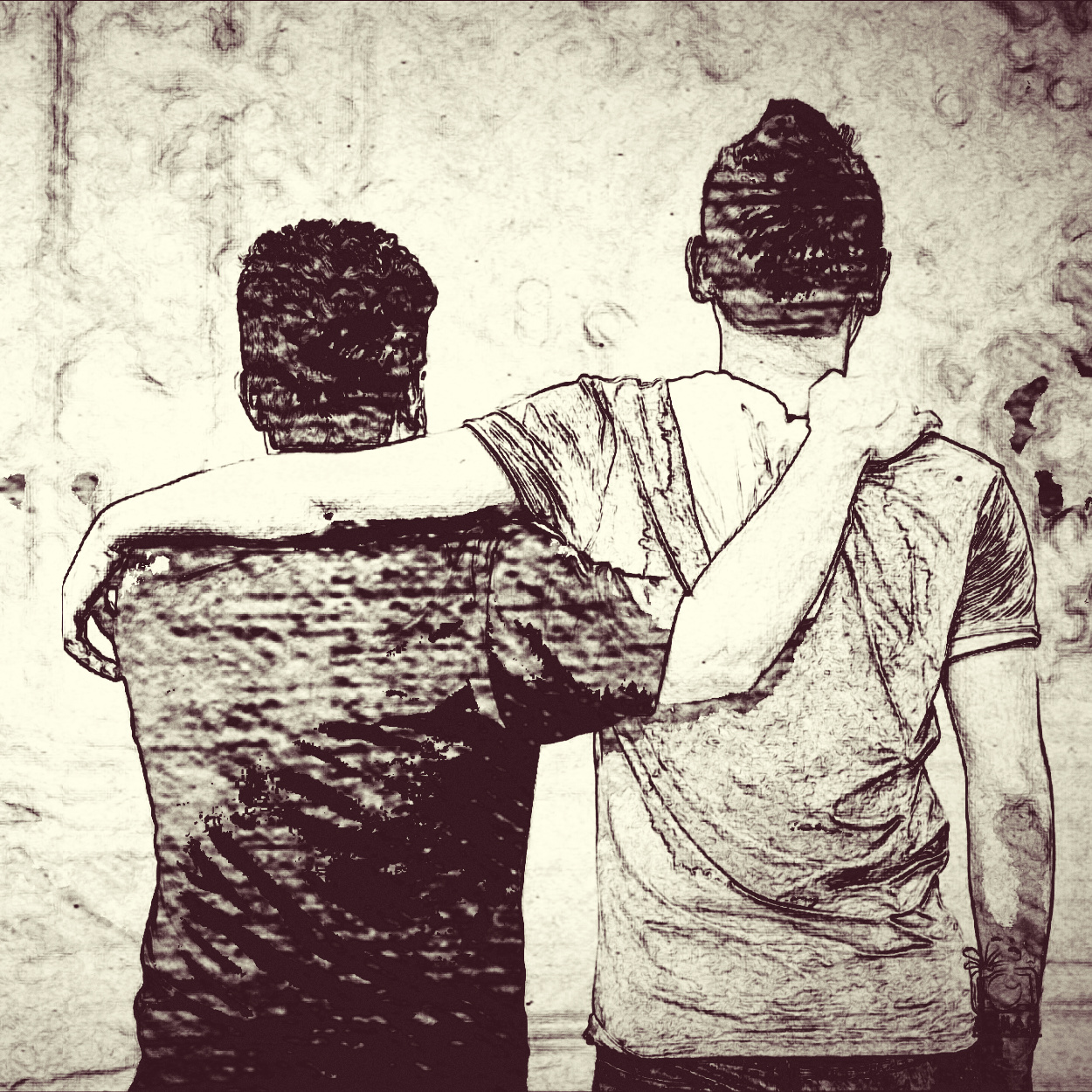
In our heightened political times, it is crucial to have the skills to heal the wounds of conflict. Here’s how.
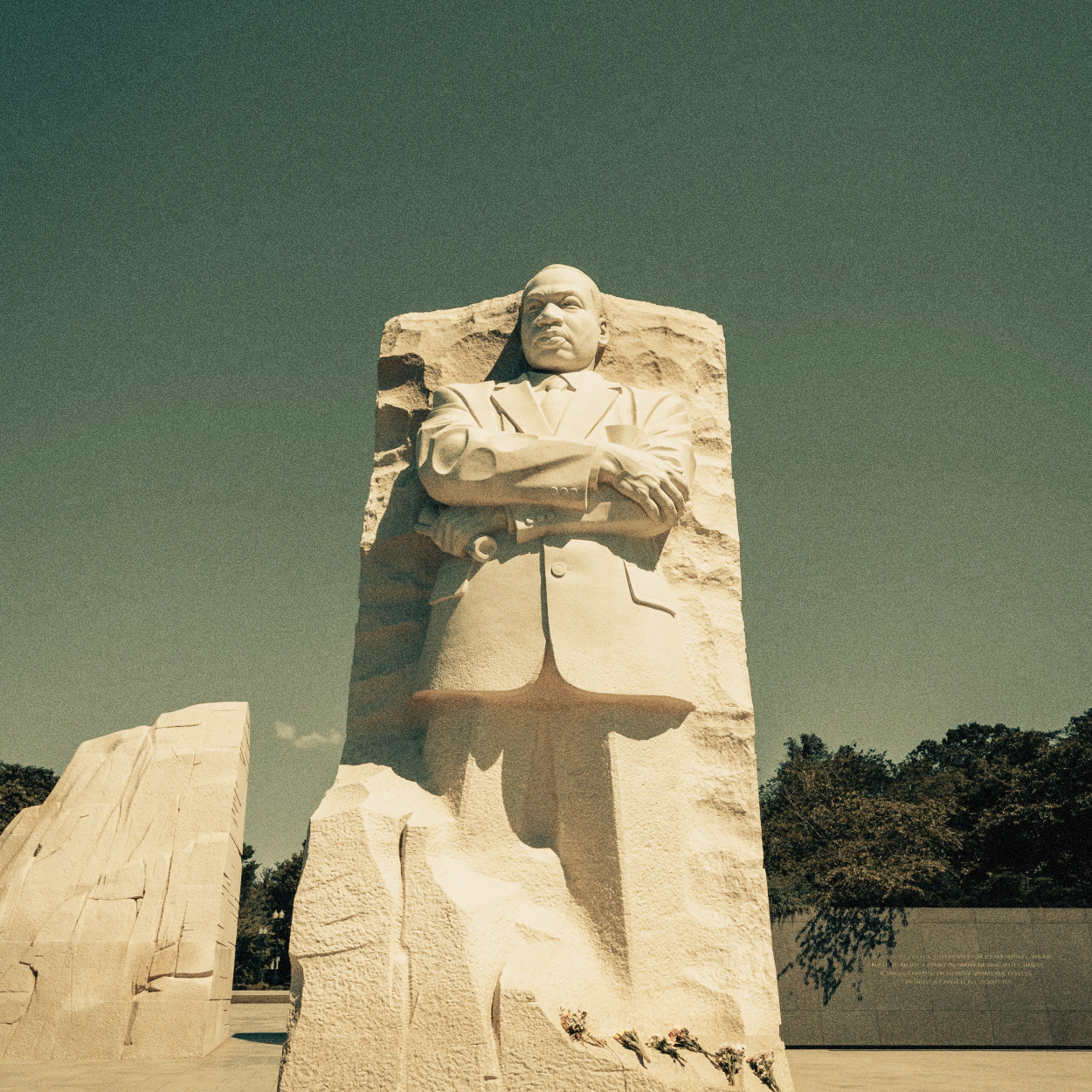
Our holidays are a reflection of who we are as a society. What do ours say about us?

A recently released so-called “Radical Orthodoxy Manifesto” has made some waves. But what exactly does it mean?

To complain is a normal human response to the difficulties of life. But Christians have in scripture a contrast between the spiritually-healthy practice of lament and the soul-corroding practice of murmuring.
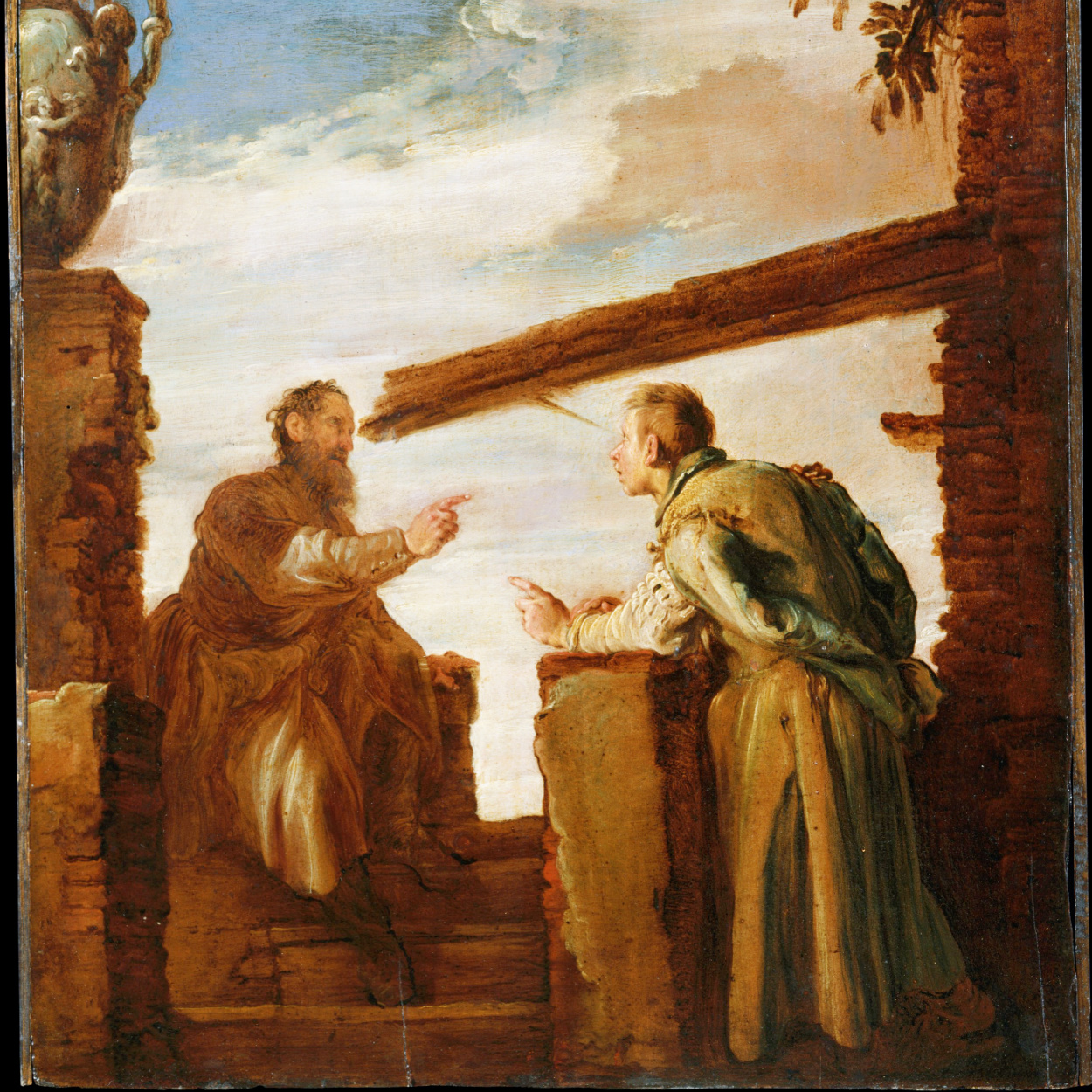
In response to a critique, we are seeing a tendency across the political spectrum to answer with insistence on the greater immorality of those raising the concern – “WHAT ABOUT that [awful thing]”? Here’s why that’s so destructive.
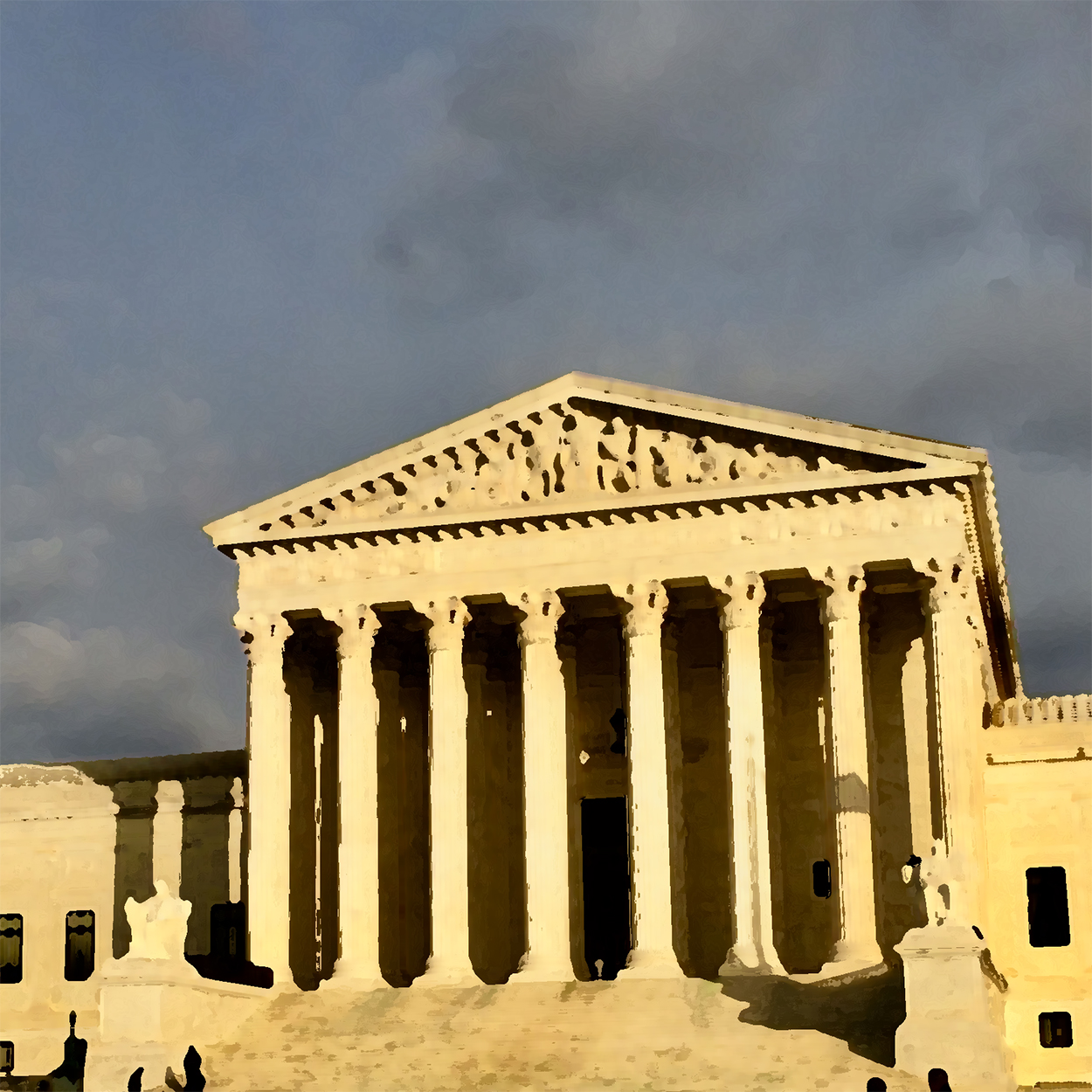
The recent Supreme Court opinion Tanzin v. Tanvir allows those harmed when their religious freedom was violated to seek monetary damages. This case plays a pivotal role in the effort towards restoring religious freedoms.

With public health messaging now emphasizing how remarkably effective COVID-19 vaccines are, it’s reasonable to ask what exactly that means? Based on the published studies of the leading three vaccine candidates, I dove in to better understand that for myself.