Intergenerational conflict is nothing new. Yet the conflict between the baby boomer and millennial generation has become particularly pointed.
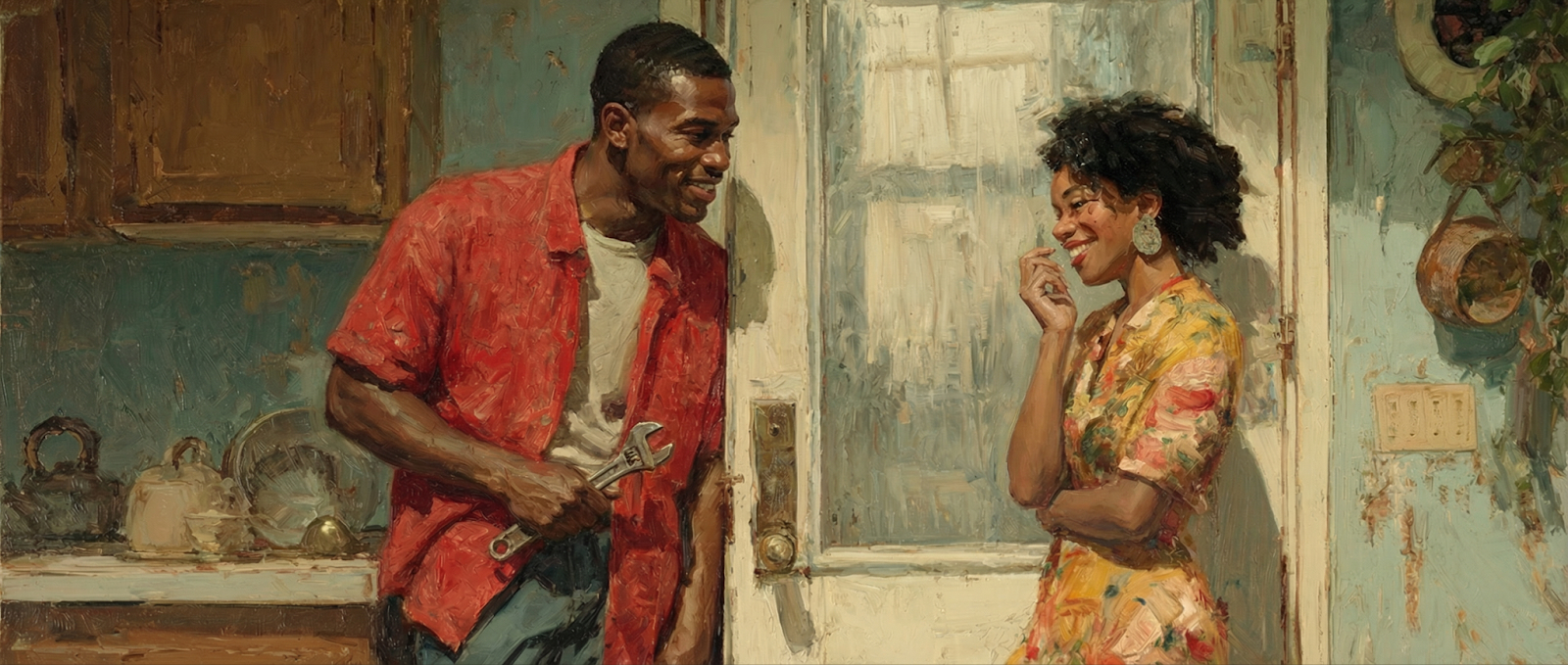
To baby boomers, millennials seemed entitled in the workplace and won the nickname “Snowflakes” from their elders. Millennials invented the hashtag #OKBoomer to clap back at these elders who called them flaky.
Here are some examples:


Covid-19 Kills the Elderly and Spares the Young
By March 2020, it had already become painfully obvious that the older you are the more likely you are to die from Covid-19.

Weary of the world the Boomers had left them and tired of being called snowflakes, some youngers seemed even to anticipate Covid-19 more rapidly ridding them of the irritating older folk. As Covid became better understood last March, #BoomerRemover hit Twitter.


Historian Barbara Tuchman’s brilliant book, A Distant Mirror, shows us how much worse things could be. In discussing the “Black Death” pandemic in Europe in the mid-14th century, she said, “… it seemed as if one sick person could infect the whole world. …Agnolo di Tura, a chronicler of Siena, recorded the fear of contagion that froze every other instinct. ‘Father abandoned child, wife husband, one brother another …’” We have already seen with Coronavirus that when medical services become overwhelmed, the elderly are abandoned but we’re doing much better than they did in the Middle Ages. At least for now.
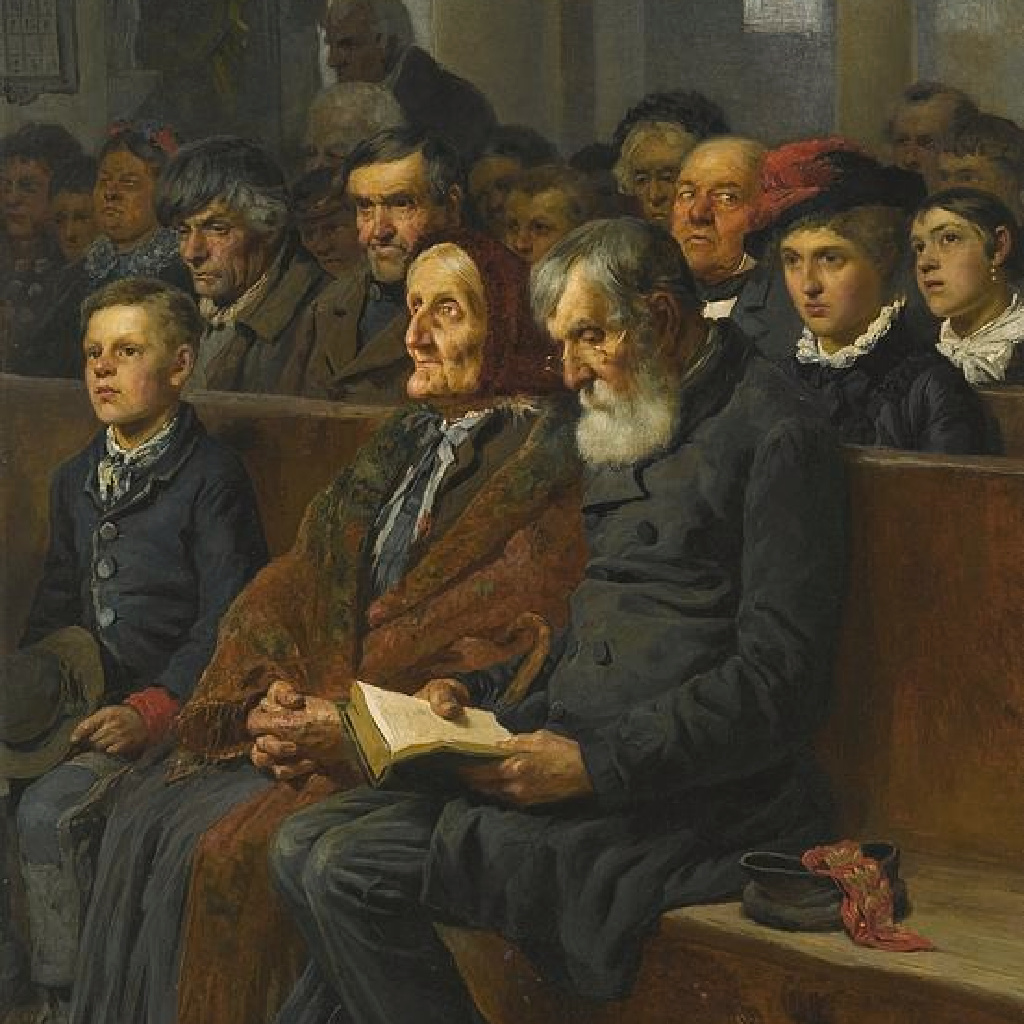
In the meanwhile, both elders and youngers have continued suffering, with isolation taking its toll on everyone. The elderly in nursing homes became suddenly bereft of visitors and even nursing staff stopped socializing with them. Some with brain dysfunction had no idea what had happened—they just knew they were suddenly, inexplicably alone. Elders who live at home were cut off from family visits and gatherings. Caregivers began to realize that the elderly were possibly dying of isolation, not just the coronavirus.
The effects of COVID-19 began to impact generations differently. Those who were younger were more prone to economic and educational disasters, and isolation began to cause despair for them, too. While parents were trying to do their best with both types of challenges and handle their newly ever-present kids, who were kept from attending school and playing with friends.
Commentators took notice of the fraying relationships between generations (and other divides too) made worse by the pandemic. As Jeff Green wrote for Bloomberg:
The deadly outbreak has escalated the tension between generations, as some young people not-so-jokingly referred to the deadly virus as “#BoomerRemover” because it is most deadly in older people—with the not-so-surprising baby boomer backlash against college students who continued to “#CoronaParty” on spring break as other people died. And as more white-collar workers are able to keep their jobs and work from home, the growing ranks of unemployed, uninsured hourly workers are finding fresh outrages in the potentially fatal gap between haves and have nots.
These trends were made worse by the recent direction of much of American life:
- Families don’t live in multi-generational households like they used to and often Elders are miles away from their children and grandchildren. Technology helps, but not enough to keep people from feeling isolated. (This may be changing a bit due to the great recession, but that shift back to multi-generational households is not necessarily considered a good thing.)
- Families are smaller. When family support depends on one or two people, that support can easily fail. Providing support is more difficult than ever during a pandemic. Because more couples are having one or no children and more people are choosing not to marry at all, when the next pandemic comes around, more elderly people will have even less family at all to lean on for support.
- It’s fair to say that among many today, Elders are also no longer valued for their wisdom and knowledge and have been even more marginalized by advances in technology which have created a huge gap between those who have mastered it and Elders who have no clue.
- Mores have changed radically. Youngers typically assume elders have little wisdom regarding postmodern morality, cohabitation, or sexual fluidity.
- Youngers have less knowledge of history. Since they are not aware of what their elders have lived through (see #3), they miss out on important lessons that have come from those experiences
How Latter-day Saint Conviction Disrupts These Patterns
It’s not too broad of a generalization to say that the generational disunity afflicting America is not impacting committed members of The Church of Jesus Christ of Latter-day Saints to the same degree. The reasons should be cautionary and exemplary for observers.
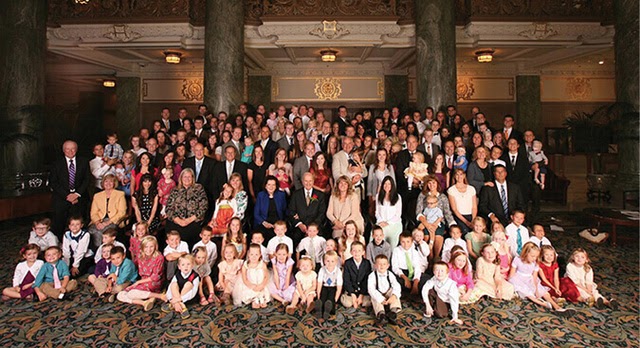
- Latter-day Saints have larger families. This increases the amount of support in the nuclear family and the extended family, decreases the possibility of loneliness, and even increases the possibility of financial help within an extended family. Focus on the family as the most important thing in life keeps the center strong and the orbiting family members close. The image below is of Prophet Russell M. Nelson’s family (and no, there’s no polygamy involved).
- There is a moral structure that continues from generation to generation because the laws to which the LDS community looks are both biblical and eternal. Since Latter-day Saints have always been marriage-centered, Zoomers are less inclined to dismiss their elders for not approving of “updated” sexual mores. Grandma will indeed have something to say to her granddaughters about striving to be modest and chaste since her granddaughters are seeking to make eternal covenants in a Latter-day Saint temple. So, there is no generation gap where that is concerned. Against such a holy backdrop, the wisdom of elders is constantly reaffirmed as valuable and present. Since the Word of Wisdom (the proscription against using alcohol, tea, coffee, tobacco, and recreational drugs) is a century old, there is common ground on this subject, too.
- Latter-day Saint doctrine teaches that “families can be together forever.” That the family structure can be eternal in the highest reaches of heaven increases cohesiveness and loyalty as well as the drive to work out problems and misunderstandings that can interfere. Because of its focus on eternal families, the Church promotes family history work as a saving effort. The benefits of performing family history work include some that might be downright surprising for an unbelieving world. One such benefit is that it helps older people become more tech-savvy. Elders often have the time and interest to do family history work, and that work has largely moved into the digital age. This work also creates a family story that embraces family members of all ages. A 2013 Elaine Reese article in the Atlantic describes the many benefits of having a family story:
Over the last 25 years, a small canon of research on family storytelling shows that when parents share more family stories with their children—especially when they tell those stories in a detailed and responsive way—their children benefit in a host of ways. For instance, experimental studies show that when parents learn to reminisce about everyday events with their preschool children in more detailed ways, their children tell richer, more complete narratives to other adults one to two years later compared to children whose parents didn’t learn the new reminiscing techniques. Children of the parents who learned new ways to reminisce also demonstrate better understanding of other people’s thoughts and emotions. These advanced narrative and emotional skills serve children well in the school years when reading complex material and learning to get along with others. In the preteen years, children whose families collaboratively discuss everyday events and family history more often have higher self-esteem and stronger self-concepts. And adolescents with a stronger knowledge of family history have more robust identities, better coping skills, and lower rates of depression and anxiety. Family storytelling can help a child grow into a teen who feels connected to the important people in her life.
- While many younger people are falling into despair during the pandemic, young people with a strong sense of their family story (and faith, more broadly) have more to work with. Many new converts know nothing of their ancestors and have little awareness of their family story. But even in foreign, exotic cultures, they are happy to adopt the story of the “Mormon” pioneers. Observers of the Church have commented that Latter-day Saints have managed to become “a people, not just a religion” as have the Jews with their much-longer history and experience with persecution. This sense of “peoplehood” is an important part of the story that grounds members of The Church of Jesus Christ of Latter-day Saints.
- While Latter-day Saints have many reasons to not discount the older generations, they similarly seek to value the young. Their large familiar missionary force which represents the faith around the world is composed almost entirely of eighteen to twenty-one year olds. Latter-day Saints invite these missionaries (the men which are called “Elders”) into their homes to be taught the gospel. These representatives of the faith which bookend the stages of life serve to create unity and respect among ages.
- While worldly America has come to devalue the wisdom and knowledge of its elders as being impertinent to their modern experience, in the Church, it’s just the opposite. First of all, we have a lay clergy and the “callings” or positions of service and leadership in the Church have not changed in essence over time. An 80-year-old great-grandfather who has been a bishop twice will have plenty of valuable advice for his great-grandson now newly-called to be a bishop himself. The same man has had myriad spiritual experiences and stories about using his priesthood power that can enlighten younger men and boys—and they know it.

Some in the world question why the principal leaders in the Church are so old. Combined they have nearly 1200 years of experience.
Before these men were called from a lay clergy to serve as church leaders for the rest of their lives, they followed a variety of professions. President Russell M. Nelson was a noted heart surgeon and Apostle Dale G. Renlund was also a cardiologist. Several apostles were lawyers or judges and others were successful in business or education. Dieter F. Uchtdorf, who is German, was a fighter pilot and an executive with Lufthansa Airlines. Because of this, they are well-informed and worldly-wise. They are greatly respected in our community for both their worldly success and knowledge and their spiritual maturity and wisdom.
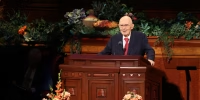
Elder Jeffrey R. Holland said this about the aged leaders of the Church in a 2006 conference talk:
… not often but over the years some sources have suggested that the Brethren are out of touch in their declarations, that they don’t know the issues, that some of their policies and practices are out-of-date, not relevant to our times.
As the least of those who have been sustained by you to witness the guidance of this Church firsthand, I say with all the fervor of my soul that never in my personal or professional life have I ever associated with any group who are so in touch, who know so profoundly the issues facing us, who look so deeply into the old, stay so open to the new, and weigh so carefully, thoughtfully, and prayerfully everything in between.
No, you will never hear a committed Latter-day Saint say after hearing an apostle speak, “#OKBoomer.” Should one of these elders fall prey to Covid-19, veritably the entire church will fast, pray, and worry for him. Neither will you ever hear a committed Latter-day Saint say, “Never mind, Covid is our #BoomerRemover.”
We know better. Not because we are better. But because we’ve relished a better—“more excellent way” —that looks to God (and those who have sought His ways for many years) to help us find the same path ourselves. As a result, the benefits of a truly multi-generational community accrue and arise naturally—in every direction.
If that’s something attractive to you, come join the fun. There’s an important place in this enormous family saved just for you.