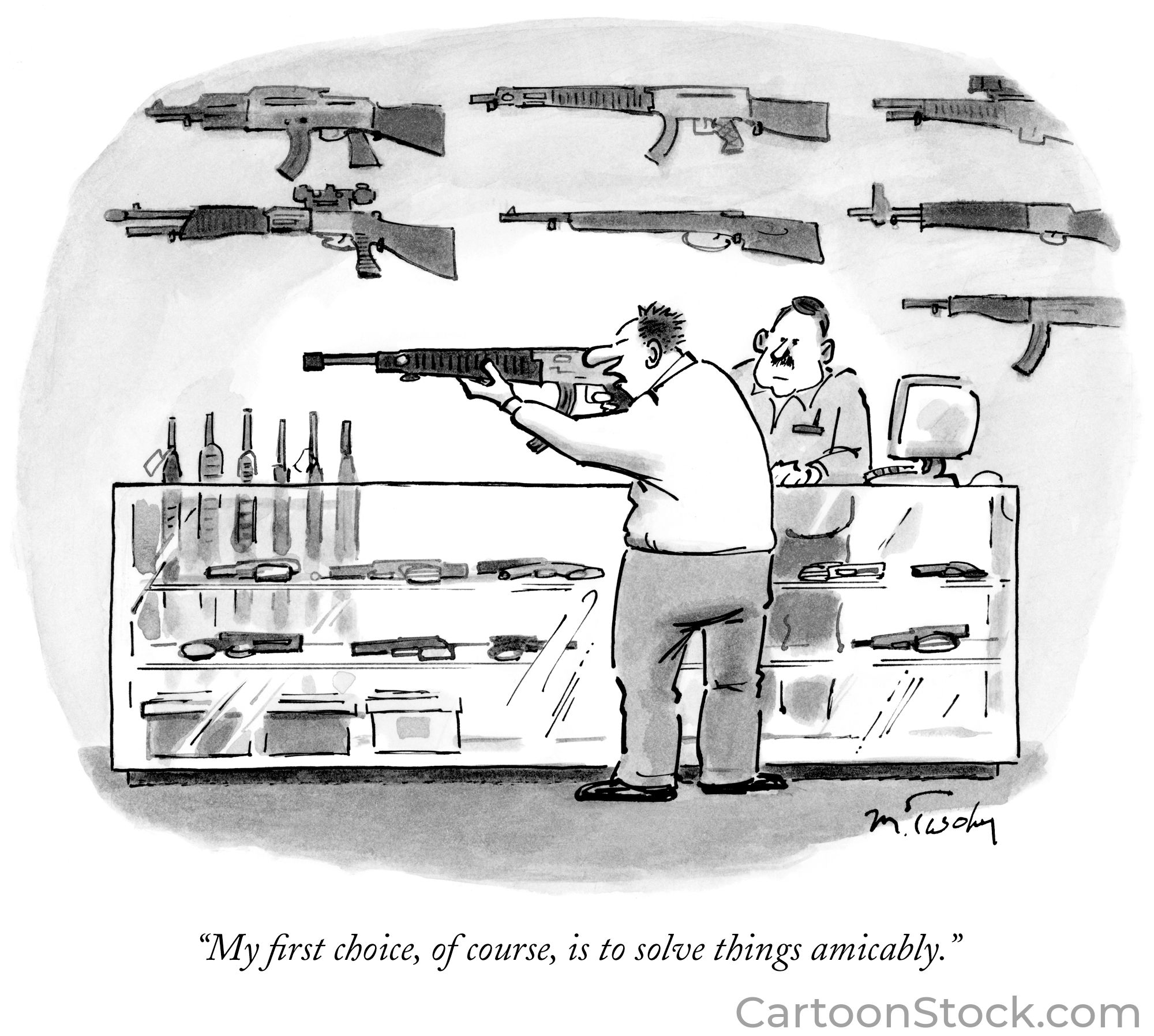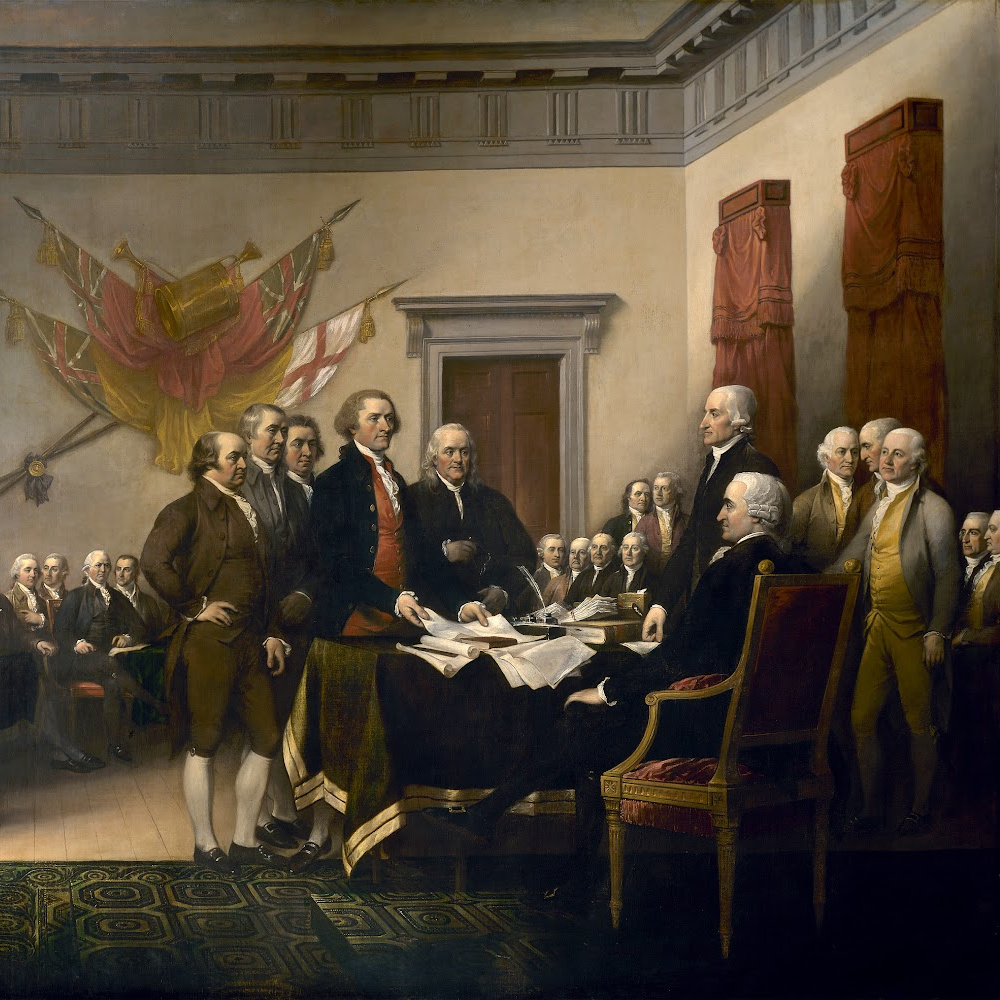
More and more people are disparaging America’s founding documents as a barrier to progress. This weekend’s Constitution
Day is a good time to remind ourselves what they’re missing and the higher wisdom that inspired it all.

The case for why pornography use is better understood as a lived solipsism and hedonism—in partial concurrence and reflective response to Hess and Barborka.

There is wisdom in holding space for competing important priorities, while seeking contextual cues in difficult matters to discern the right course. Let’s not confuse that with being “lukewarm.”

Tired of our current tax structure? I visit with my friend Joseph Addington about Georgism. We nerd out over what it is, what problems it could solve, and possible areas of application.

When someone hears something that wasn’t said, it could be revealing a deeper pain. Recognizing that might provide a pathway to greater healing together.

An encounter with Isaiah can sometimes challenge faith rather than expand it. Bible scholars can sometimes add to the confusion. Dan Ellsworth’s new resource helps people navigate several difficult issues to ensure the text blesses and strengthens us.

Anytime we draw extra attention to any particular truth in the gospel panorama, there is a natural risk of decentering or even unmooring our focus on Christ. Raising a few final questions about Bethany & McArthur’s article earlier this week.
It’s surprisingly easy for people online to pretend to be someone they are not. Don’t be fooled. Learn how to spot a propagandist masquerading as a truth-teller.

It takes faith to earnestly consider one another’s stories and courage to examine our own. But how else can we find greater unity amidst mounting discord?
I discuss President Biden’s recent student loan forgiveness policy with a good friend, Dallin Crump. We uncover the ins and outs of the policy, the implications it has, and other potential solutions to the deeper issue.

Is it possible to treasure what has been revealed about Heavenly Mother without descending into the kind of acrimonious debate we see online? Of course, it is, say Bethany and McArthur.