Faith
Christianity by Administrative Code
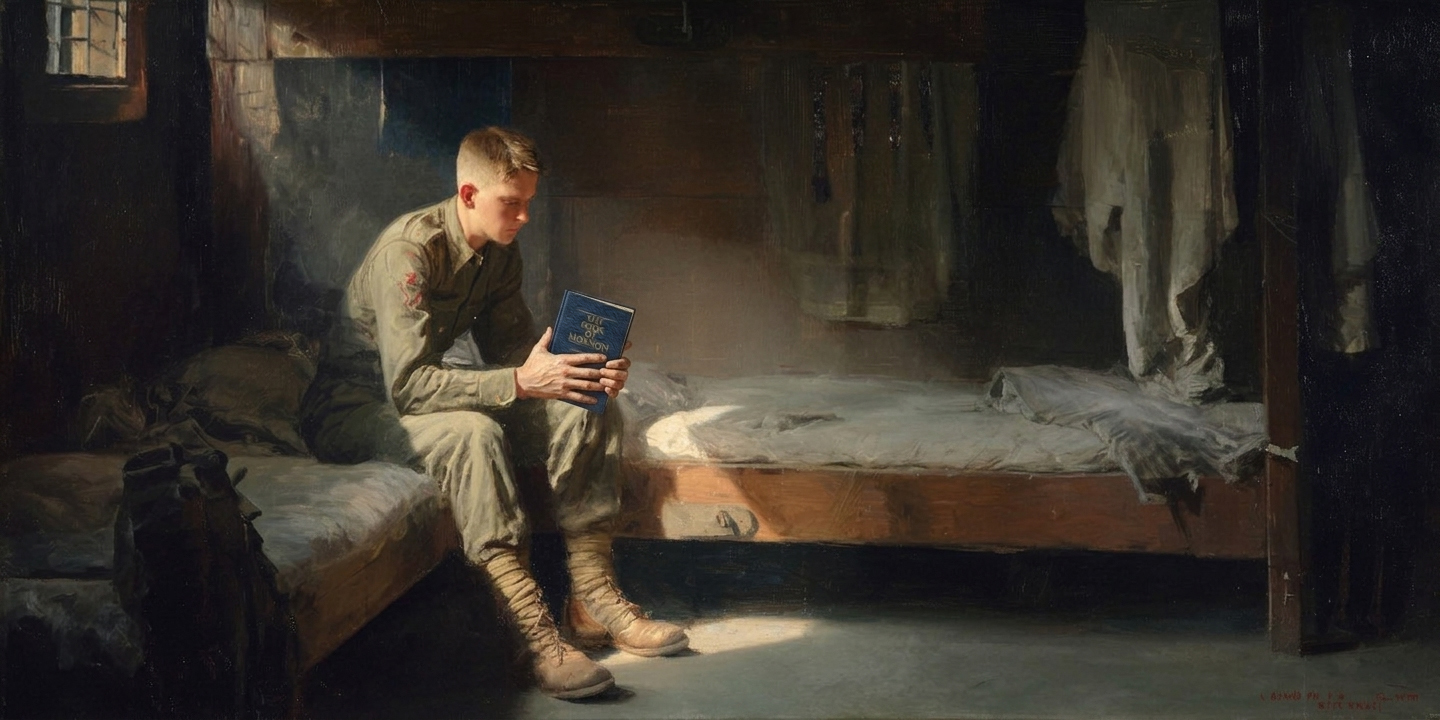
A simplified military list may serve administrators, but small faiths still need recognition and spiritual care.

A simplified military list may serve administrators, but small faiths still need recognition and spiritual care.

Religious bias has turned a messy LEGO dispute into a conspiracy story about Latter-day Saints and Utah power.
The Princeton legal scholar’s grassroots movement invites Americans to renew commitments to God, family, country, and community.
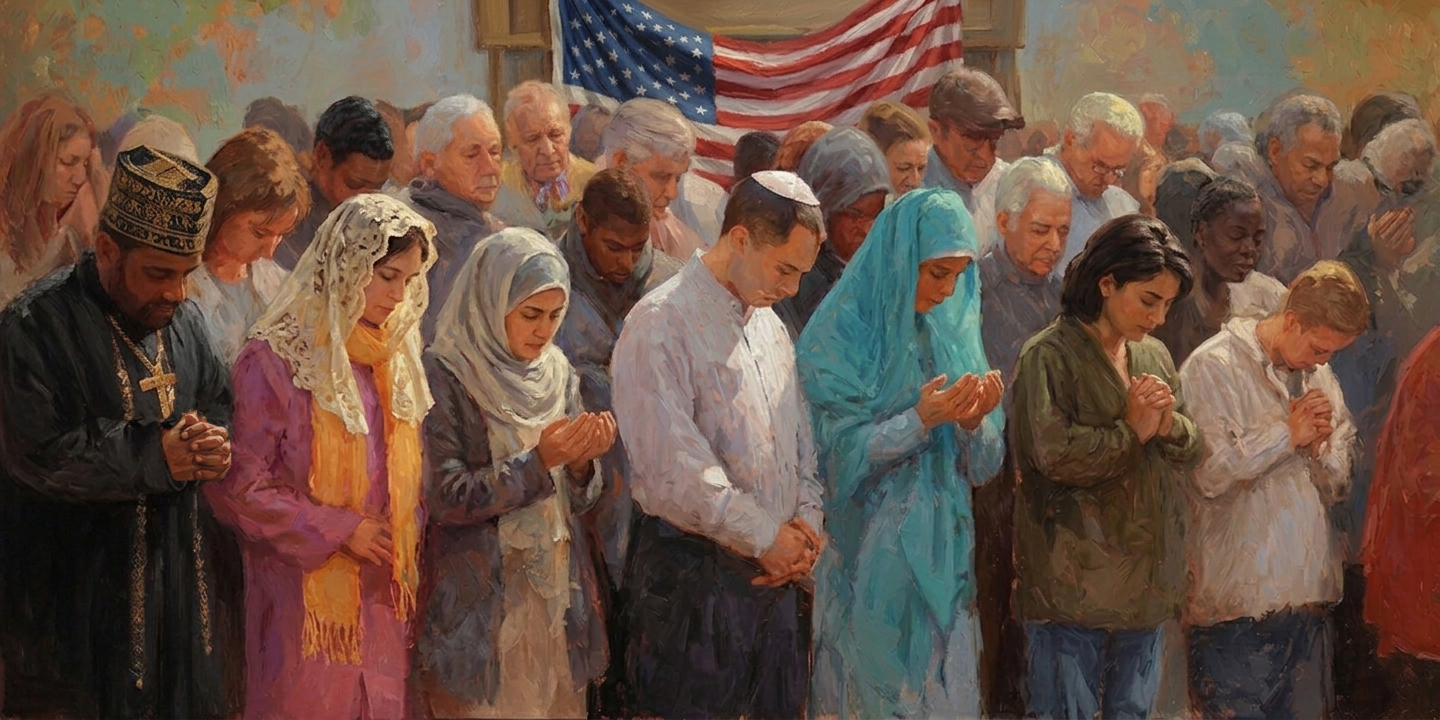
Latter-day Saints defend religious liberty not as a privilege for themselves, but as a doctrine for all humanity.

AI can bless homes and classrooms, but children still need limits, human connection, and the discipline of hard work.
How has God influenced the unfolding of history? Providential history explores the divine role in human affairs in ages past.

Civility can restrain conflict, but Christlike communication heals, includes, and puts people first.

America’s Constitution points toward equal justice, but that promise depends on citizens who act with courage.
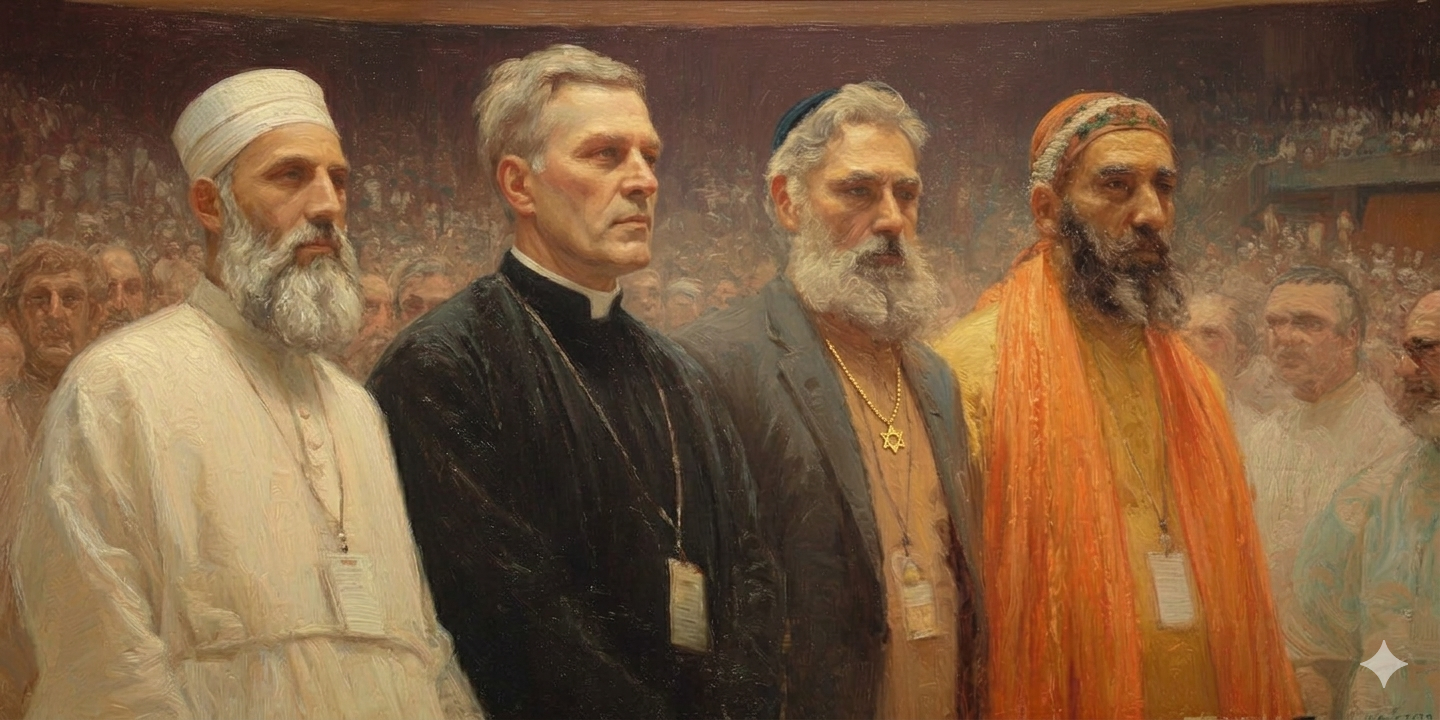
Faith leaders are bringing moral urgency to AI debates often led by technologists, executives, and governments.

The choice between pride and shame is a false binary—transcending both enables a growth mindset more conducive to durable Christian discipleship.

National healing begins when core convictions remain firm while practical disagreements leave room for compromise.