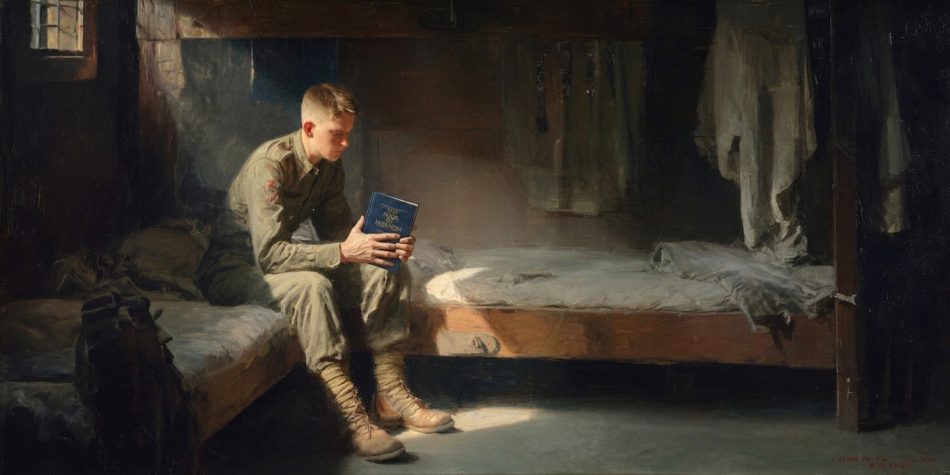

Sometimes a controversy can be smaller than it first appears, but still worth taking seriously. The recent brouhaha over the Pentagon’s religious-affiliation codes fits into that category.
You may have heard of this controversy from Latter-day Saint lawmakers pushing back against the new categorization.
The Department of Defense revised an administrative list of religious-affiliation codes. These are codes used in personnel records and to help plan how many chaplains of each type they need.
The new list went from more than 200 different religions down to 31. Of those 31, many were listed as “Christian – ” with the name of the faith group appended after the title Christian. The Church of Jesus Christ of Latter-day Saints was listed as one of the 31 groups, but it did not have the label “Christian” appended to the front.
We view our entire faith as centered on the life, ministry, and divinity of Jesus Christ.
That’s certainly reasonable. And the new list should include broad enough categories that almost every service member should find something that suits them.
But it’s that “Christian” label that has caused some of the frustration. Latter-day Saints do not believe that the question of our Christianity is a secondary concern. We view our entire faith as centered on the life, ministry, and divinity of Jesus Christ.
And this is not merely a bureaucratic question for Latter-day Saints.
Latter-day Saints affirm the Christianity articulated in the New Testament by Christ Himself and His apostles. They reject the later creedal formulations. But in those traditions, it was those creeds that helped define their faith and allowed it to survive. The majority of Christian faiths have grown out of the movements of the leaders who formed those creeds.
The Church of Jesus Christ, however, is a restorationist faith. Meaning it attempts to go around the creedal Christianity and back to a more original form.
That’s a real religious difference, and not one that we should easily pass over. Most people who are acting in good faith describe it as either creedal Christianity or other/non-creedal Christianity. But many attempt to say that anyone who does not conform to the creeds is not a Christian. This is obviously a spurious argument. By this definition, early Church fathers such as Clement of Rome, Ignatius of Antioch, Justin Martyr, Origen of Alexandria, not to mention Jesus and His apostles, would all be excluded as Christians. But it is also a real issue that Latter-day Saints continue to face in their day-to-day life as they are excluded from schools, service organizations, and interfaith groups while being told they are not Christian. So it is natural that these new Department of Defense religious-affiliation codes would evoke strong feelings.
Here is what is important to note about these codes. They are not a theological determination. There are other non-creedal Christian groups that have been listed with the “Christian” label, such as Jehovah’s Witnesses and Christian Scientists.
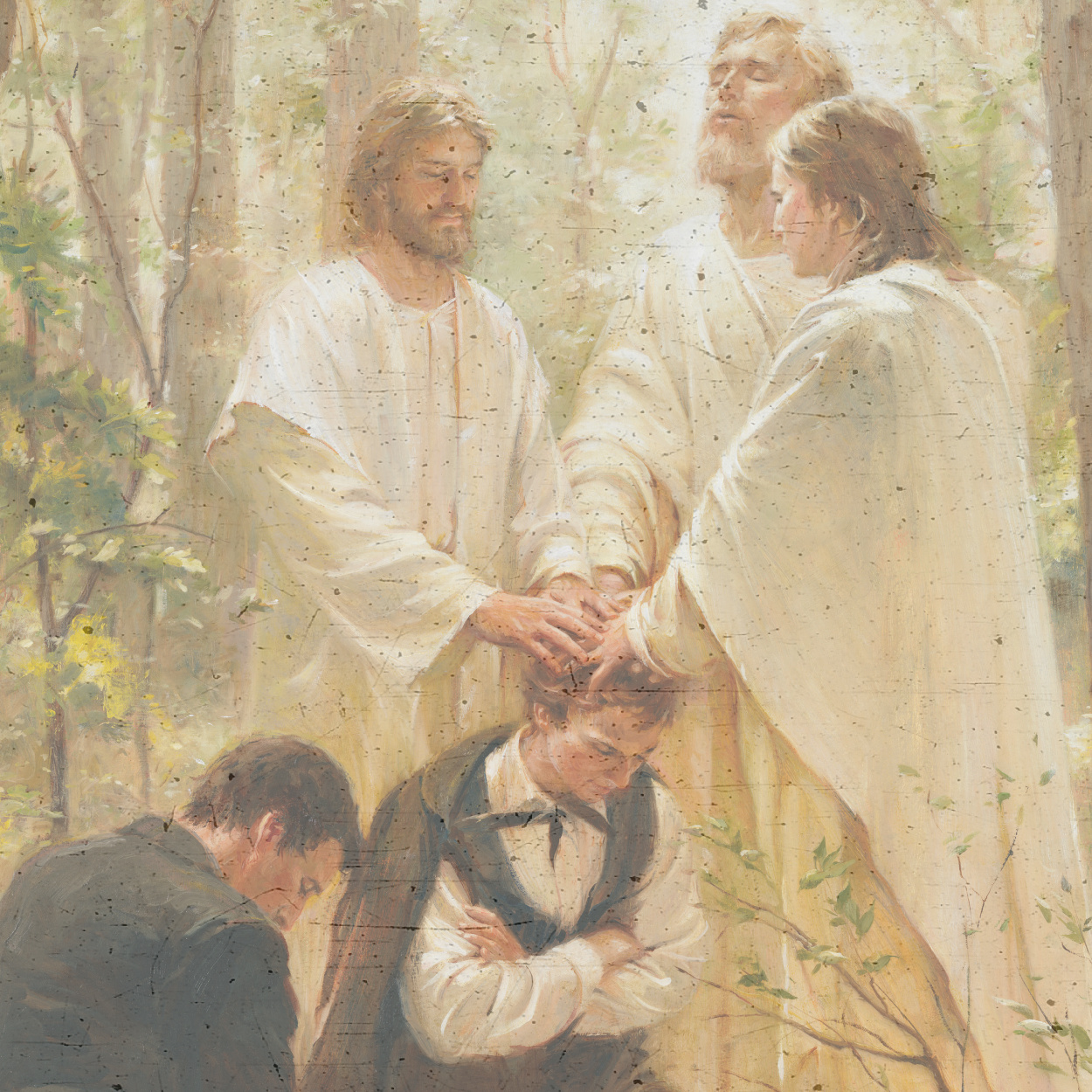
One of the functions of chaplains in the U.S. Military is to provide religious rites and ordinances for members as needed. For Latter-day Saints, these ordinances require priesthood authority that, according to the teachings of the Church, chaplains of other faiths would not have. So, distinguishing between Latter-day Saints and other Christians was already happening. Of course, it also happened between Protestants and Catholics, but that did not appear on the list.
A small tradition can still hold existential importance to the person who belongs to it.
But it was also a good reminder for Latter-day Saints that there remain certain fundamentalist and Christian nationalist voices that exclude Latter-day Saints. And we would do well to continue to heed the advice of Church leaders in pursuing religious freedom, rather than aligning ourselves with Christian nationalist causes that, among other shortcomings, would likely exclude us from their definitions.
And it’s in that light that we should probably best respond to the Pentagon controversy. The issue for Latter-day Saints was largely symbolic. But for many faiths, including Rosicrucianism, Wicca, and Unitarian Universalism, recognition has gone away altogether by being omitted from the list.
A Wiccan sailor may have ritual needs, seasonal observance, or community ties that are not obvious to a generic chaplain in “other.” Unitarian Universalists have very distinct beliefs that can be complicated for even well-meaning individuals to understand. A small tradition can still hold existential importance to the person who belongs to it.
This list does not remove the religious freedom rights of these service members. Religious accommodations are still protected by law and policy. This list cannot change that. This does not change the religion that can appear on a dog tag, or the practices that must be allowed. But for people who are often away from home for the first time, this change can mean they may be left adrift without important spiritual support. In my opinion, properly responding to the spiritual needs of our troops should be a high priority, and perhaps even worth a bit of bureaucratic confusion.