American Families of Faith
Strangers in Their Own Land
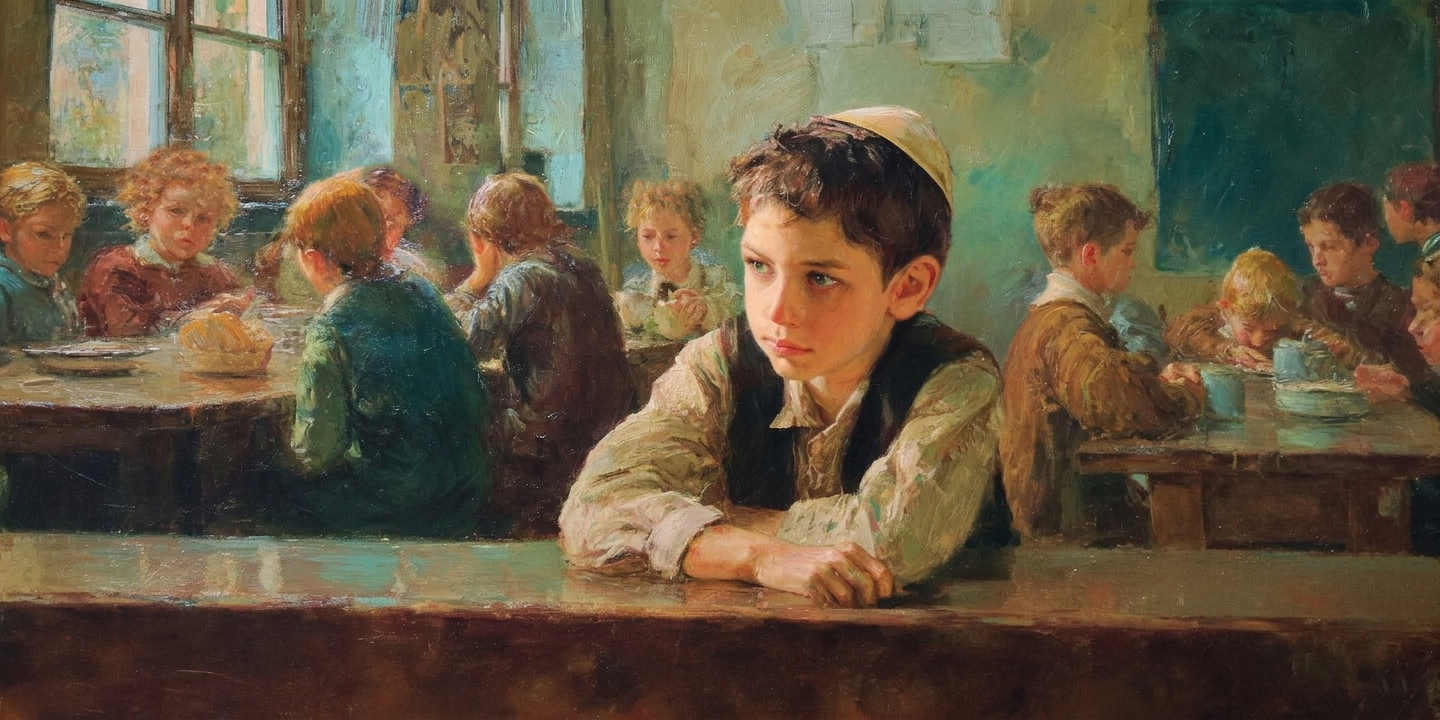
From social exclusion to open hostility, religious minority families describe the burden of being misunderstood.

From social exclusion to open hostility, religious minority families describe the burden of being misunderstood.

Research points to ten life patterns that reduce vulnerability and help protect women from sexual violence.
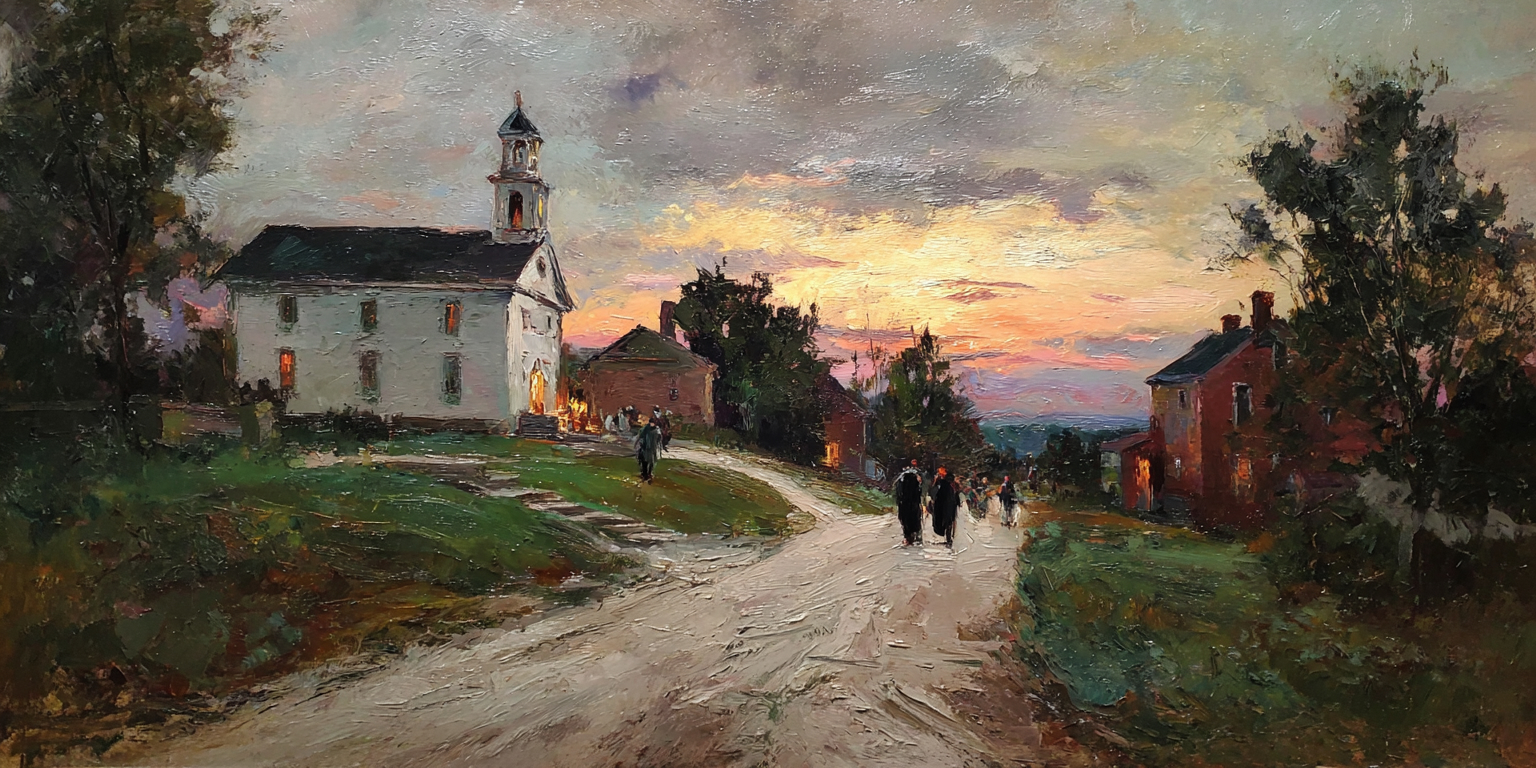
When society frays, the answer is not to force righteousness, but to embrace liberty that lets truth and virtue persuade.

Research shows sexual violence is more likely where women are isolated, unsupported, undereducated, unmarried, and surrounded by addiction.

Many Americans reject party labels, yet absence from party processes leaves activists shaping ballots and platforms.

Religion is rarely comfortable or luxurious—it’s a workshop where God shows up in the space between imperfect people.
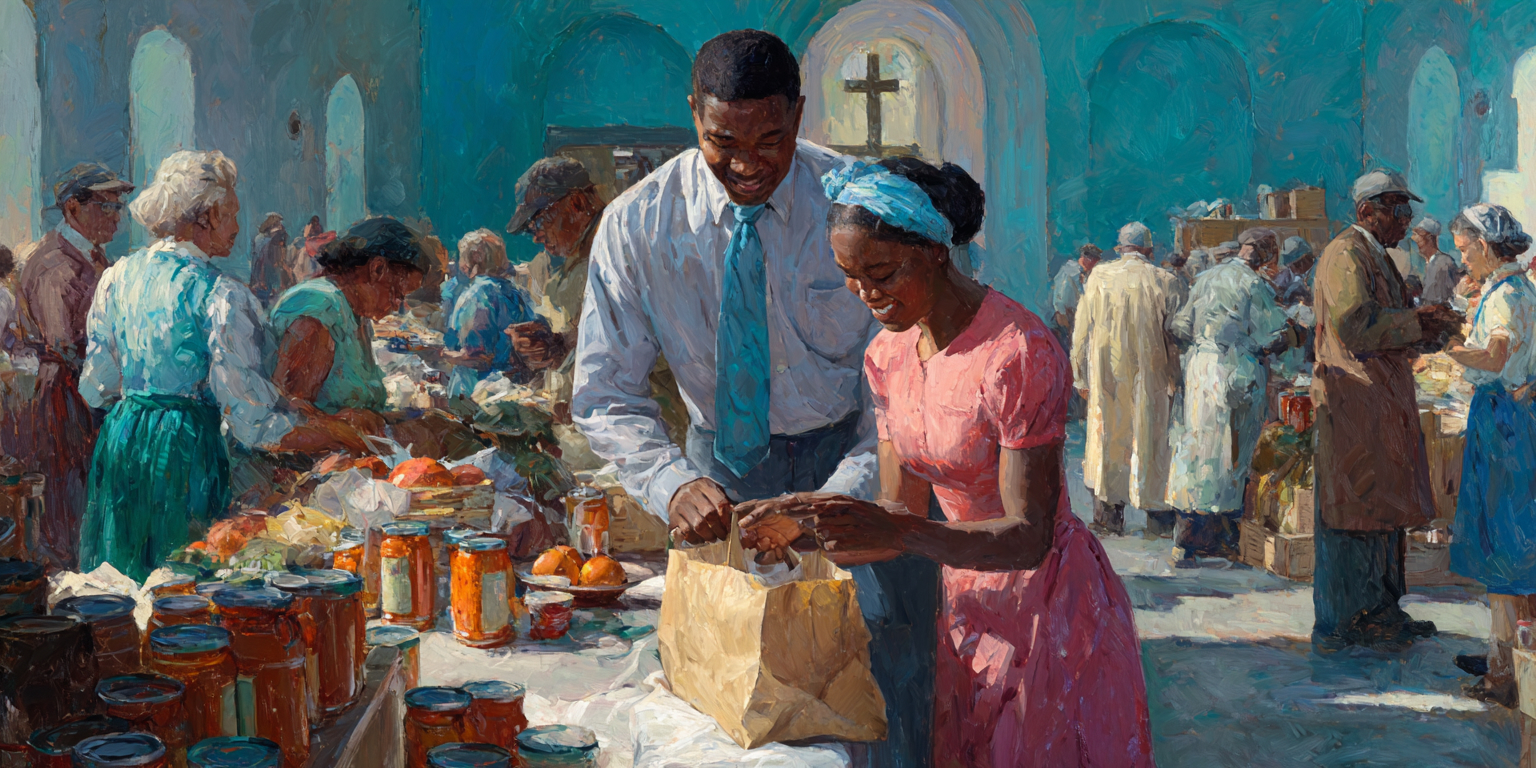
Researchers find that for many Black married couples, faith turns service into stewardship—building stronger homes by lifting neighbors and communities.

Parenthood is often framed as optional and exhausting. But what do we gain by taking a more eternal view?

How can conflict be redeemed? The answer is slow, practiced love that resists pride and chooses reconciliation.

What ends othering and blame? Loyal defense of family, respect across faiths, and small acts of shared service.

Why do ward choirs matter? They build unity, model male-female harmony, bridge communities, and teach belonging.

What saves relationships so they can endure disputes? Separating issues, practicing repair, and meeting deeper needs renew peace.