News Media
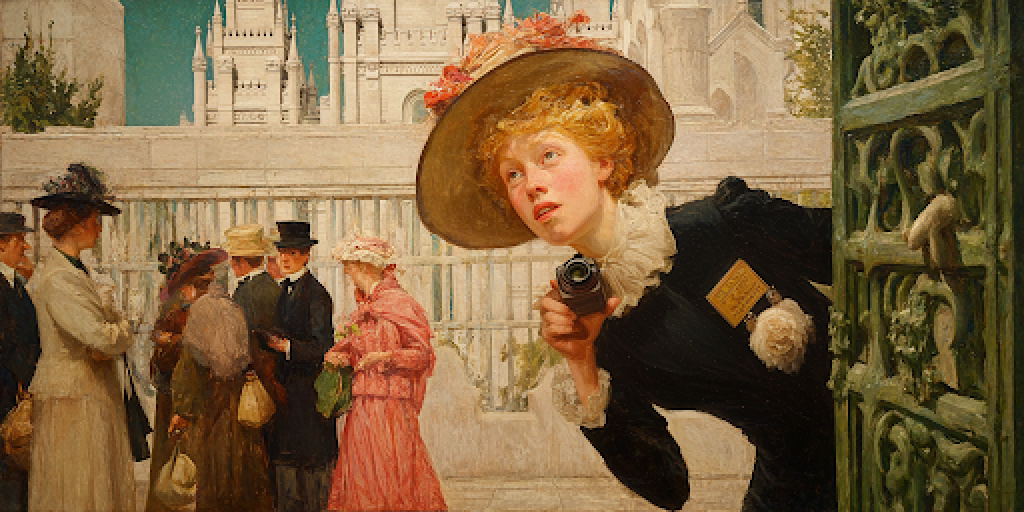
Consent not Curiosity: WSJ’s Double Standard on the Sacred
Did WSJ cross ethical lines on sacred rites? Yes, consent prevails, context was missing, and naming rules were ignored.

Did WSJ cross ethical lines on sacred rites? Yes, consent prevails, context was missing, and naming rules were ignored.
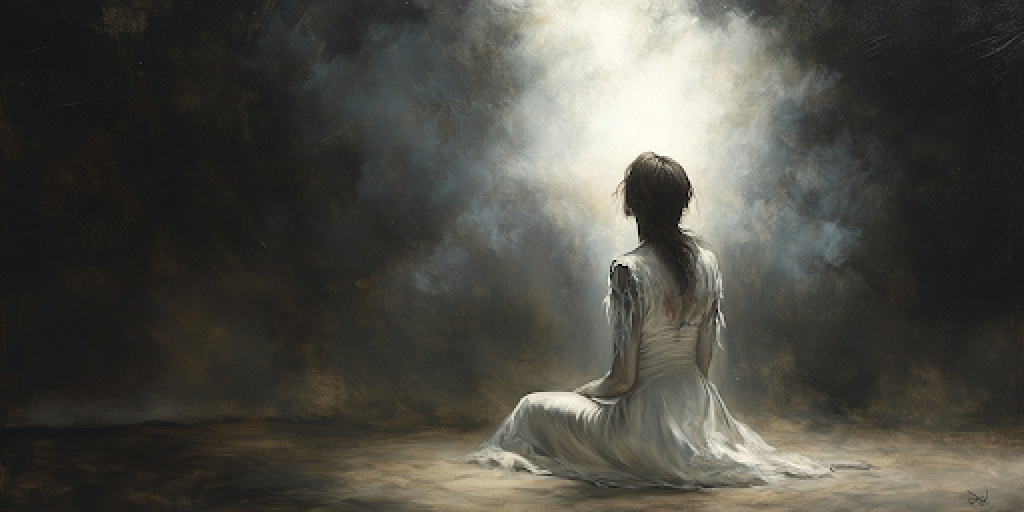
Can Hollywood portray faith responsibly? A survivor’s story reveals the real risks faced by missionaries worldwide.
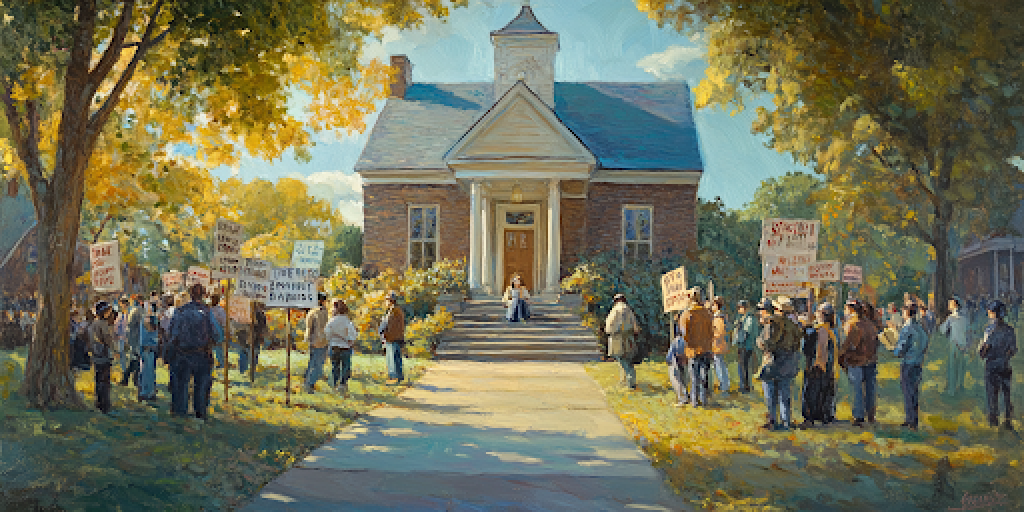
Are librarians neutral? Many prioritize privacy and free speech, often ignoring public standards.

Why is BYU reinforcing its religious mission in education? By emphasizing gospel-centered learning, the university provides students with a distinctive, faith-integrated academic experience that prepares them for both secular and spiritual growth.

Do Latter-day Saints favor Nazi ideology? Dangerous analogies distort history and polarize conversations.

How did the AP misrepresent the popularity of the Las Vegas Temple? Their report ignored key facts, including majority support.
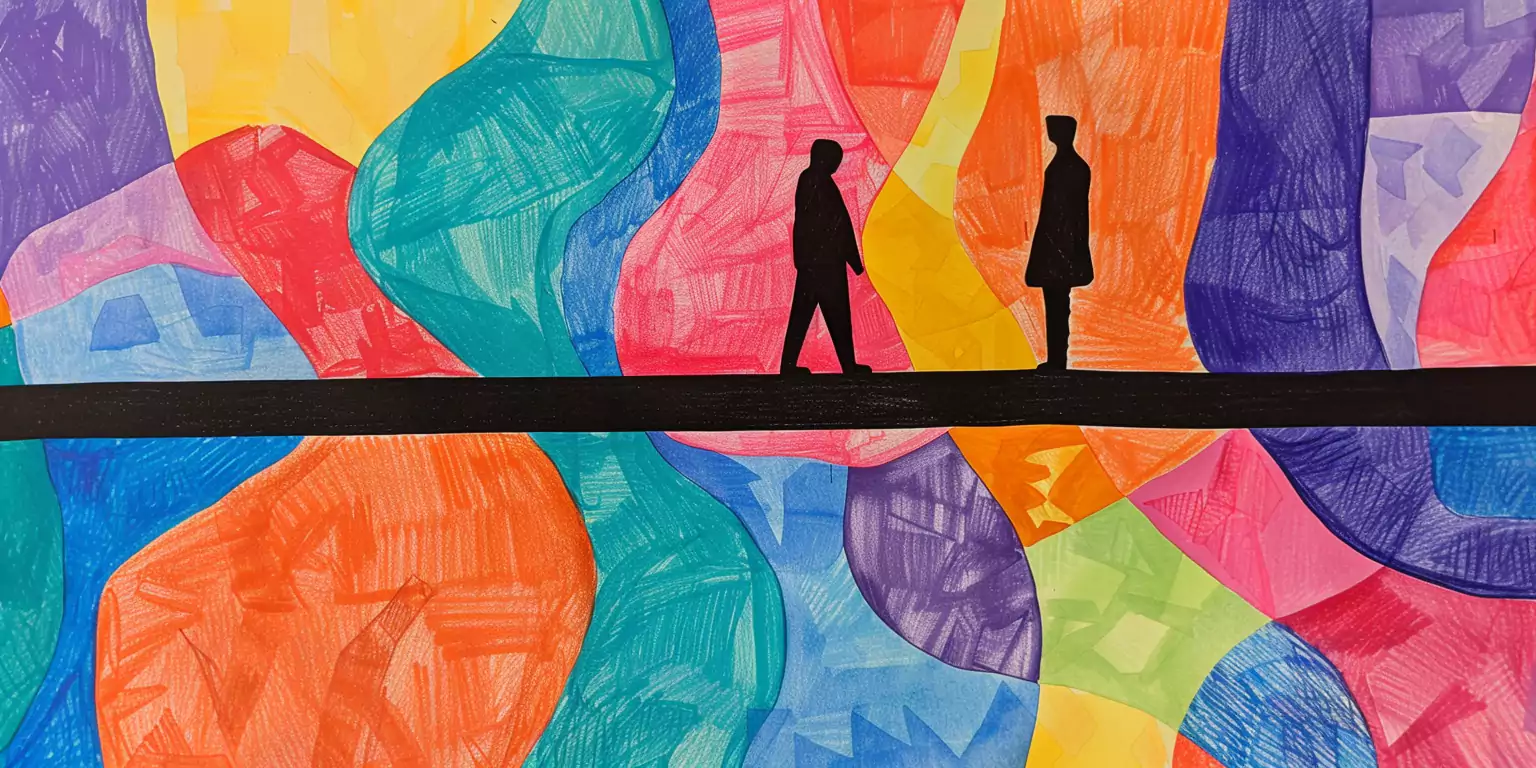
What are anti-Mormon dog whistles? Explore how words or phrases can subtly reinforce bigotry and hinder authentic discourse.
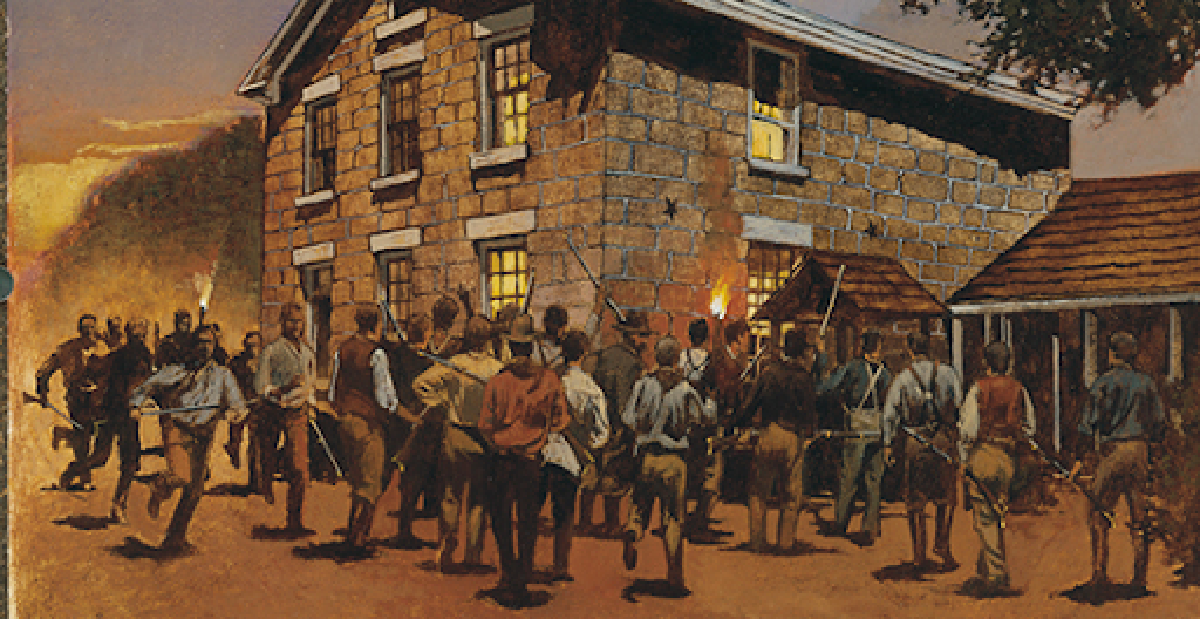
What lessons does Joseph Smith Jr.’s assassination teach? It warns of the danger of partisanship and media manipulation.
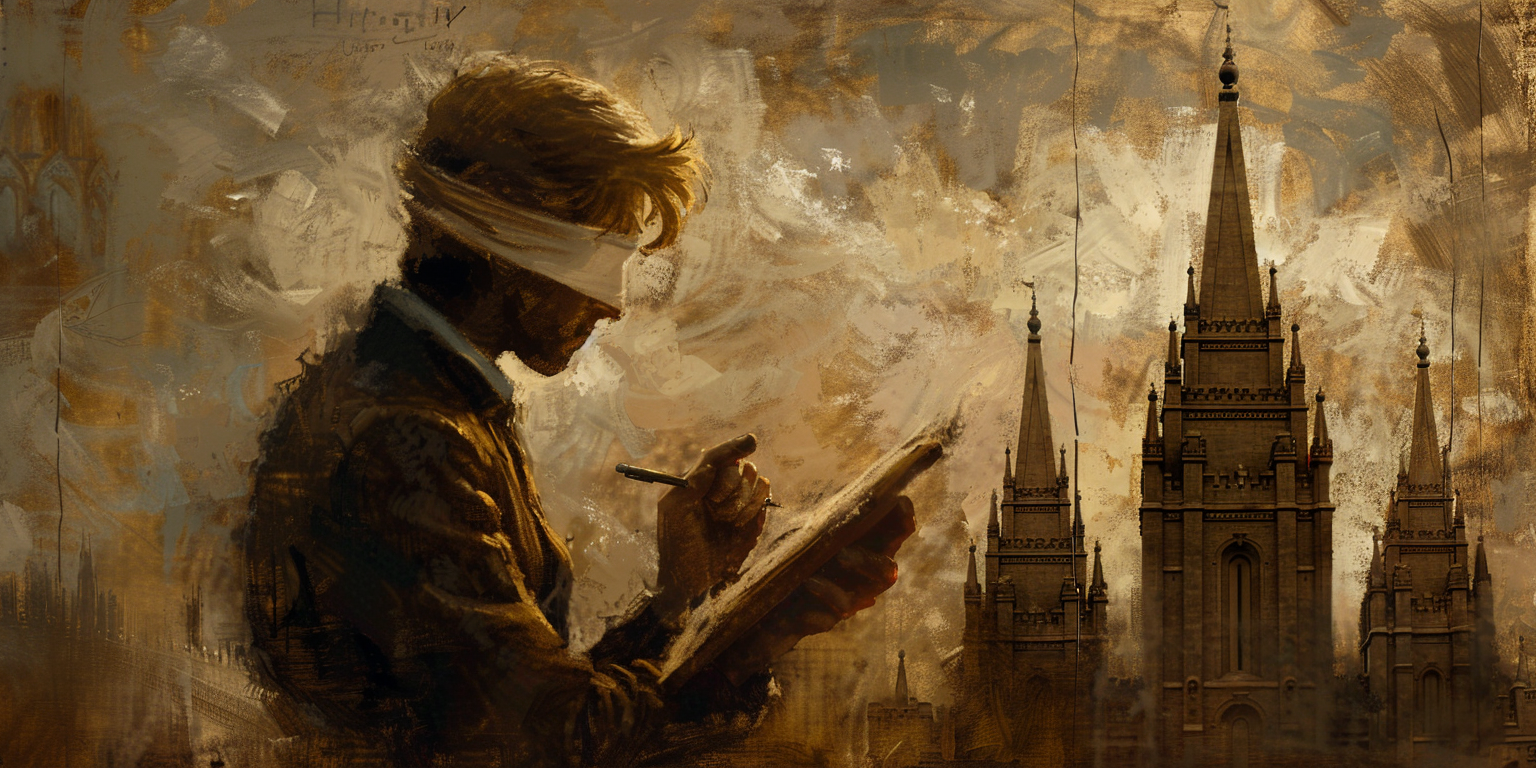
AP’s coverage of the Latter-day Saints misses the mark, showcasing bias and a lack of religious literacy
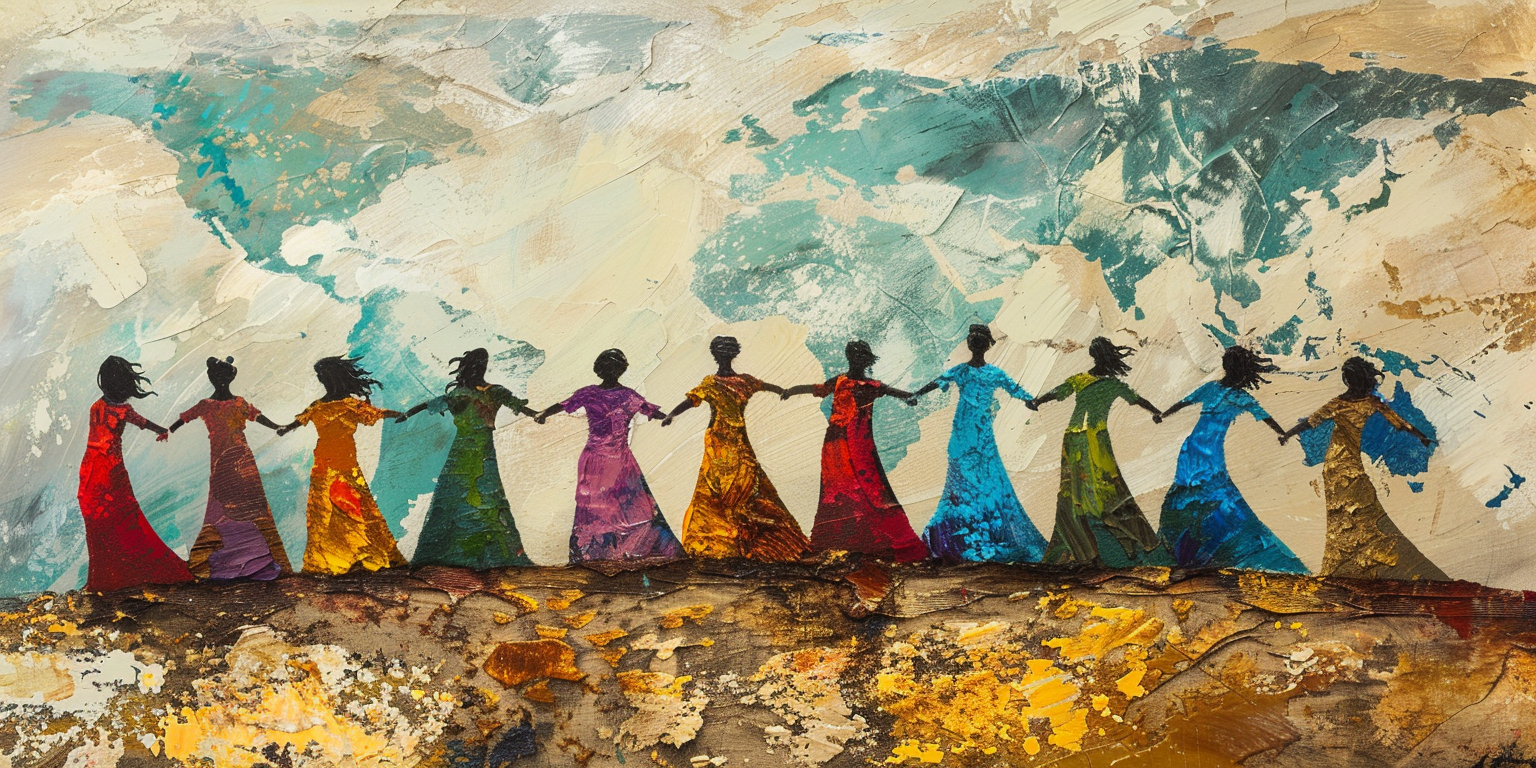
Latter-Day Saint women challenge the narrative of oppression, countering the view that they lack power within the Church of Jesus Christ.
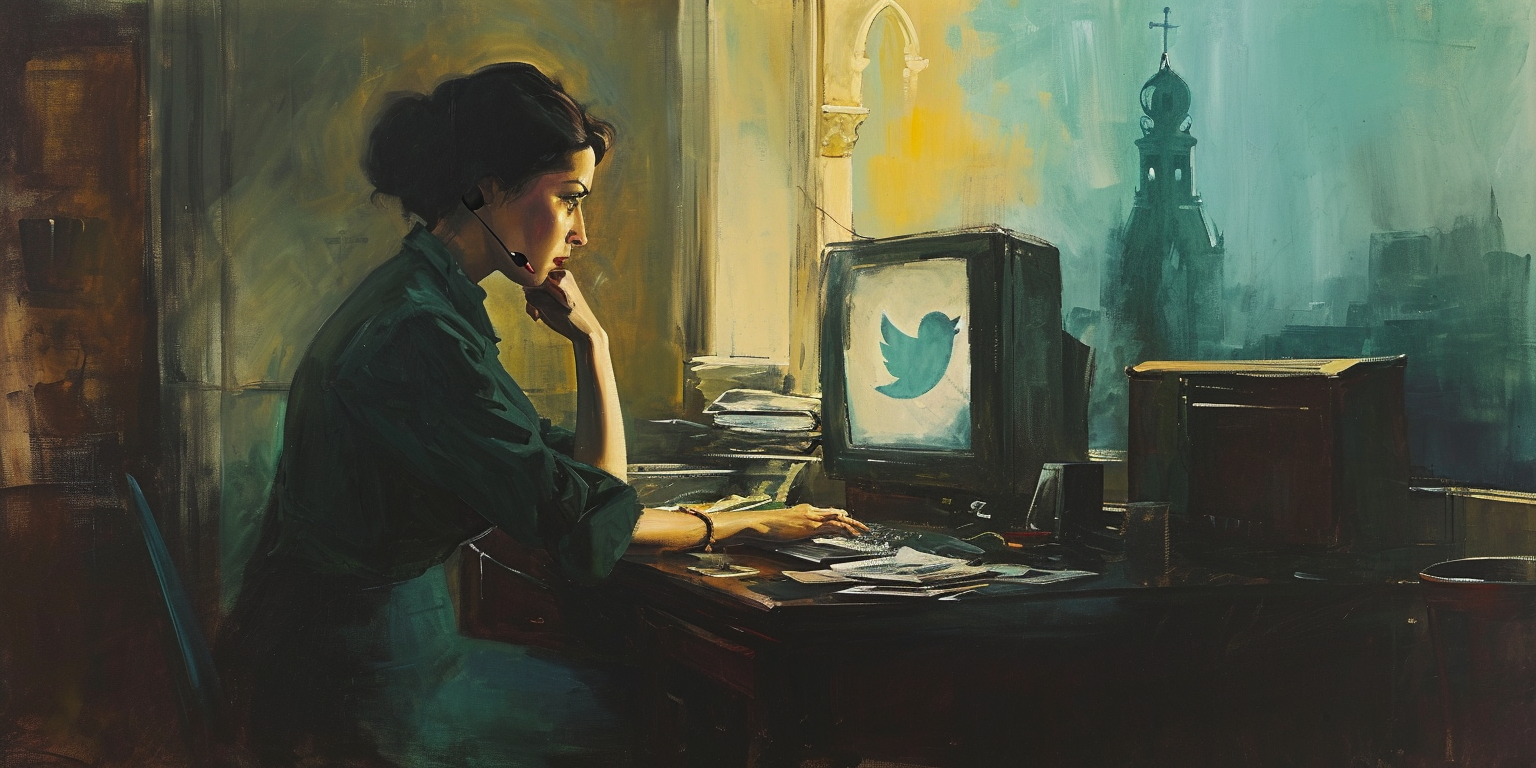
Journalists embrace X’s new identity but resist the Latter-day Saints’, showing disparate media treatment.
Our editors end the year with public accountability and a review of what we did and did not do well.