
Gospel Fare
Air Bud Theology Meets Queer Theory: Loopholes in Latter-day Saint Doctrine
Can early Church practices justify new sealings? The evidence affirms doctrinal continuity, not revisionist change.

Can early Church practices justify new sealings? The evidence affirms doctrinal continuity, not revisionist change.

Is theological silence a loophole? Air Bud logic misreads doctrine and undermines revealed foundations.

Is ‘Heretic’ alone in siding with atheism? Many films show similar bias, but they all seem to misunderstand one fundamental thing about the faithful.

While the Washington Post sheds light on the Church of Jesus Christ’s finances, it overlooks key perspectives, instead allowing our critics to speak for us.
Stephen Cranney recently wrote an article for the Deseret News regarding what he feels is a confusion people have regarding The Church of Jesus Christ of Latter-day Saints. In a past Joe Rogan podcast, he and another discussed the abuse women faced at the hands of Warren Jeffs, leader of the Fundamentalist Church of Jesus Christ of Latter-day Saints. Salt Lake City, UT was brought up. It’s obvious that both of these individuals had the 2 different churches confused with each other.
What can a sacred text teach us about the central social strife of our times? Some reflections on BYU, race, and the need for improved intercultural literacy.
While we are attuned to the uptick in targeting Catholic churches in the United States in response to frustrations about abortion, the epidemic has started to spread more widely. Bitter Winter reports, that Austria, a country that had previously largely avoided religious violence has now been the victim of targeted assaults on Catholic churches in the country. Three Austrian Churches Vandalized in Two Weeks Meanwhile, stateside, another Catholic church has been targeted, this time for a theft. A tabernacle at a Brooklyn church, valued at $2 million has been stripped from the church. Given the value of the tabernacle, the theft may not be religiously motivated. The latest story has an interesting side-note from Get Religion. Terry Mattingly covers some of the religious nuances that The New York Times got wrong in their initial report of the story, underlying the continued need for increased religious literacy among reporters.

If journalists had greater religious literacy, they could have predicted and addressed religious concerns that vaccine passports resembled the mark of the beast rather than resorting to ridicule.
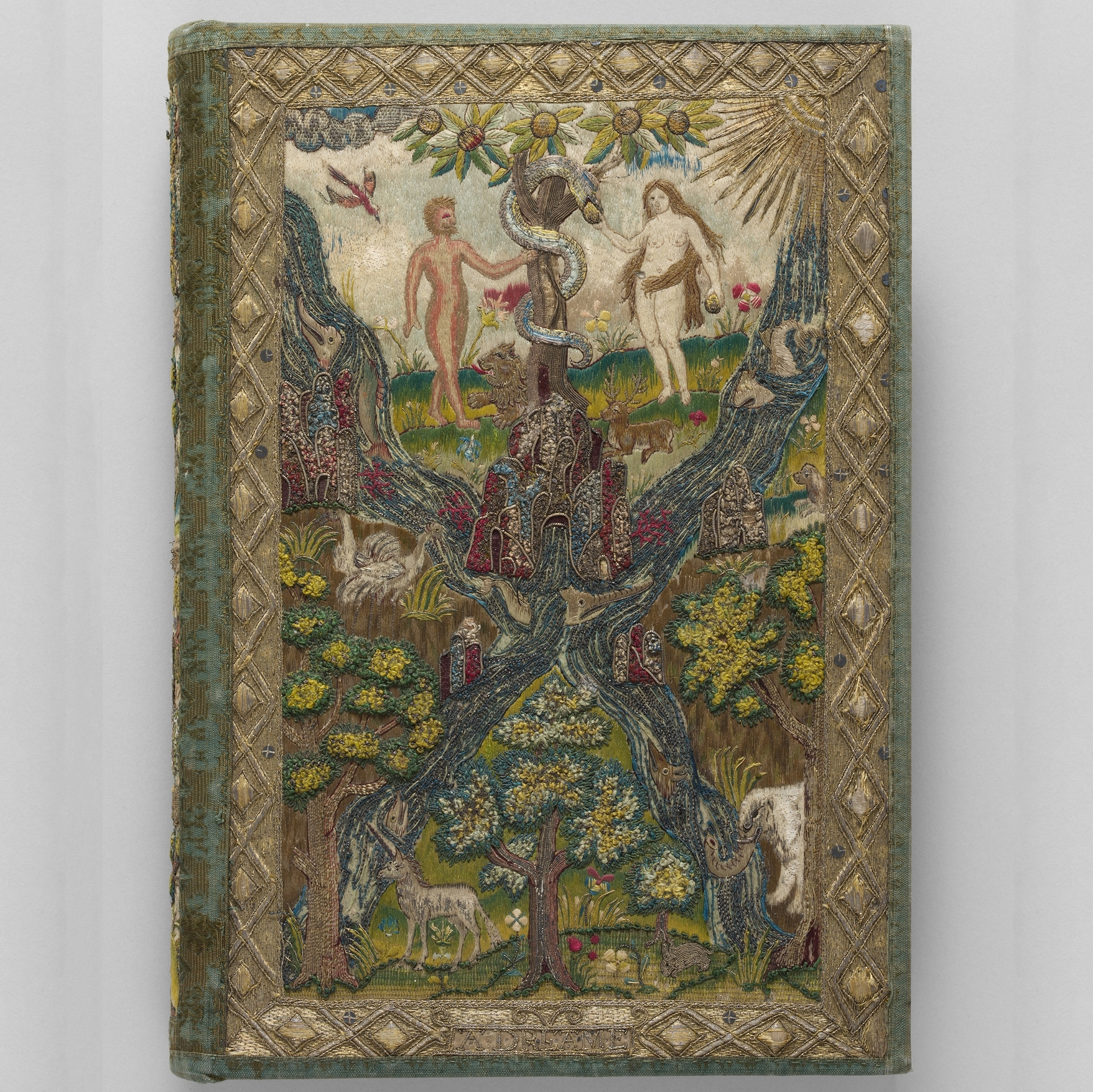
If we write off the Bible as irrelevant, we lose its proposals on meaning, purpose and self-worth. Other widely embraced answers, however, are despairing.