
Dear Mayor Hubbard,
We write to you not as The Church of Jesus Christ of Latter-day Saints, nor on behalf of it, but as members of that church scattered across the country who have watched the Fairview temple controversy with growing concern. We know municipal leadership is hard. We know neighbors can disagree in good faith. We have often worked with our neighbors to get temples approved in our communities. We know growth can bring friction, and that public officials often inherit tensions they did not create. We also know that the language leaders use can either heal a community or quietly inflame it.
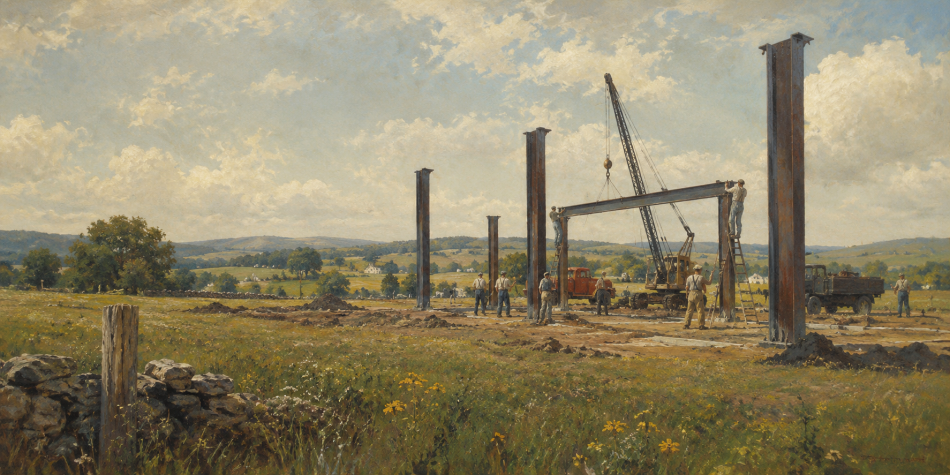
That is why your renewed request that the Church voluntarily lower the Fairview Texas Temple steeple deserves a candid response, not from the Church, but from its people. The town approved a 120-foot steeple more than a year ago; construction is now underway; and your latest appeal asks the Church to reopen what had already been mediated, compromised, approved, and begun.
Federal law protects religious institutions from discriminatory or unduly burdensome land-use decisions.
The Church could have made this a courtroom fight from the beginning. It could have pressed for the original plan, with a steeple reported at roughly 174 feet—nearly 50% taller than the design now approved. Instead, after mediation, it reduced the project to the 120-foot steeple now under construction. The Church also accepted a slew of other concessions as part of a “neighborly” agreement. The concessions were not trivial. They were attempts to recognize your priorities and work with you.
So when, after all that, you suggest that the “neighborly” thing would be still another reduction, many of us hear something more troubling than a plea for harmony. We hear a public official redefining neighborliness as surrender. We hear an approved agreement treated as merely the latest opening bid. We hear a handshake being turned into a pressure campaign.
That is not a compromise. It is a way of poisoning the well. It says to the public: if the Church builds what your town approved, then the Church has chosen legalism over love, rights over respect, height over harmony. But the Church already compromised. Fairview already approved. Construction already began. At some point, “please compromise” stops sounding like reconciliation and starts sounding like bad faith.
A smaller building in one city is not a perpetual promise never to build a larger one.
Nor is it serious to argue that because the Church has built smaller temples or steeples elsewhere, it must therefore build this temple smaller too. A smaller building in one city is not a perpetual promise never to build a larger one. Fairview’s own records show that religious-facility heights have historically been handled case by case, including approval of a 154-foot bell tower for Creekwood United Methodist Church. We noticed that distinct treatment.
We understand that change is hard. Fairview sits in a region that is changing quickly. The Census Bureau reports that Dallas-Fort Worth grew 11% since 2020, with especially significant growth on the metro’s outer edges. Four of the country’s five fastest-growing cities are small cities in the DFW area. Latter-day Saints are part of that growth, too. The Church has tens of thousands of members in North Texas, and we need temples to serve them. Perhaps the character of Fairview that needs to be preserved is how you treat everyone in your city. Perhaps treating your neighbors of different faiths like they belong is the character that should be preserved. We’re not intruders. We’re neighbors.
You can still be the neighborly one here. You can say, “We disagreed. We debated. We mediated. We both gave a little. We approved. And now we will honor what was approved.” That’s the neighborly thing to do. And mayor, if you don’t stop this passive-aggressive campaign, perhaps it’s you who’s chosen not to be neighborly.
The Church is building the temple Fairview approved. It is not unneighborly for us to ask you to honor that.
Respectfully,
C.D. Cunningham