

We may share eternity with our political adversaries. That possibility should change how we treat them now.

Women deserve more than permission to choose. They deserve the wisdom and moral guidance to choose well.

The spiritual impact of tithing reaches beyond budgets, investment returns, and promises of material prosperity.
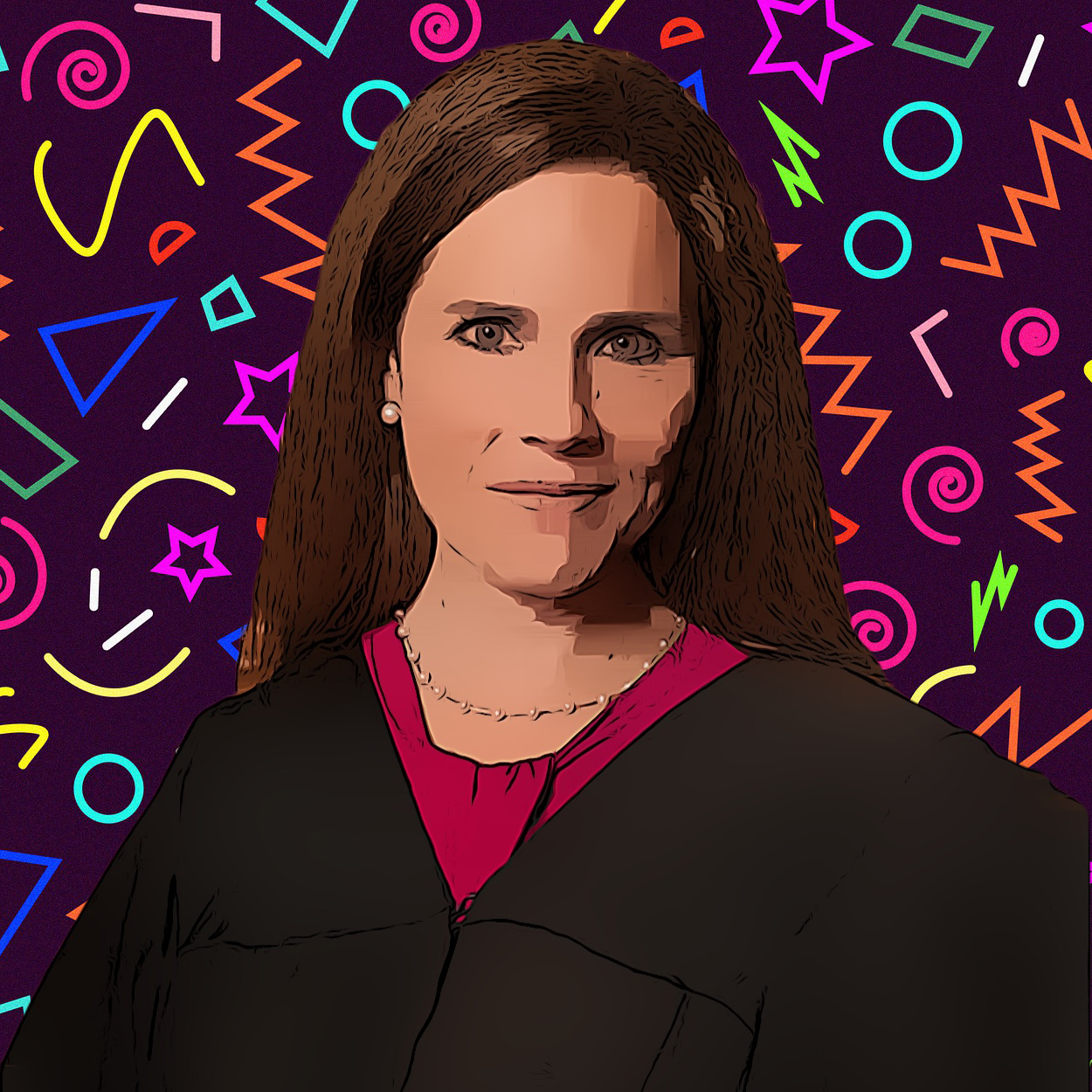
Rather than reflecting a breakdown or departure from our established political system, as many have proposed, I would argue Amy Coney Barrett’s nomination is an outcome of long-standing efforts and hard work well within that system.

Can God’s love improve our mental health journey? A psychologist’s experience reveals its profound healing power.

How can individuals fight poverty? By advocating for fair wages, supporting family-friendly policies, ensuring decent housing, and fostering kindness in daily interactions.

We need to carefully weigh the complex factors that put children at risk of abuse against satisfying narratives of institutional treachery.