
Does anti-elite media sharpen or shatter judgment? Extremist talking heads destabilize reality and easing moral inversion.

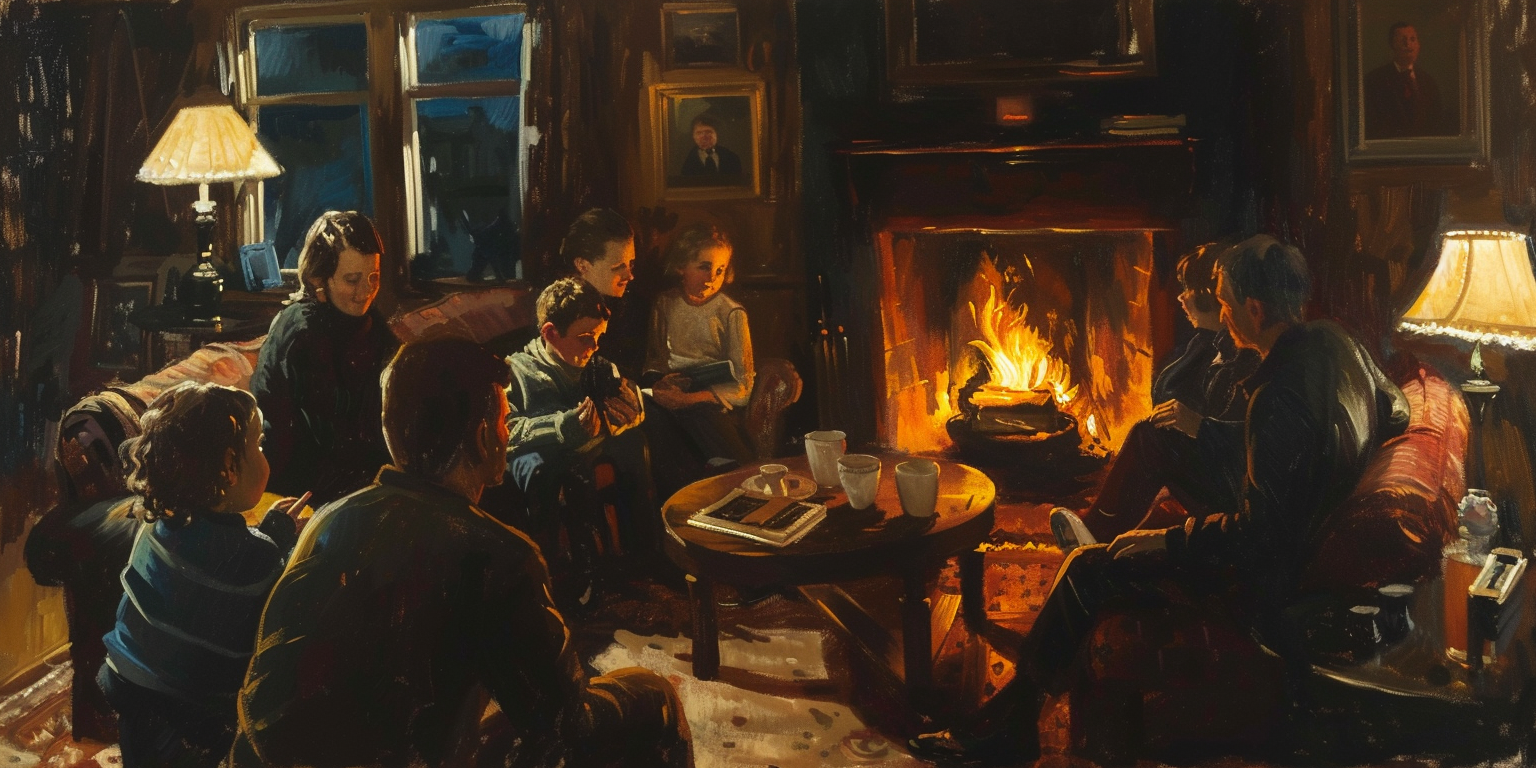
What made 2025’s best family movies stand out? Under-the-radar gems balance laughs, courage, and moral clarity.

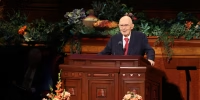
Dallin H. Oaks pairs law with love, showing humility, outreach, and a call to hold truth with tenderness.
The New Yorker published a story last week about the authorship and provenance of the 1971 book Go Ask Alice. The book is presented as the diary of a teenage girl, but a new book suggests that it was composed by Beatrice Sparks, a woman who claimed to only have found the diary and edited it. The article is a fine read, asking interesting questions about the ethics of publication, and the difficulties of identifying authorship. But near the end of the article they include this line, “As a few ex-Mormons have pointed out, Sparks was not the first Mormon to publish a text ostensibly based on an original source that the rest of the world did not get to see.” The line takes a not-quite veiled swipe at the founding of the religion that Sparks was a member of. I can’t help but wonder if Sparks was a Catholic, would the author have been as comfortable opining, “Sparks is not the first Catholic to put out a book where the original sources aren’t available.” This kind of winking attack feels more fitting on the ex-Mormon Reddit than in a major publication like the New Yorker.

Proposing a New Year’s Resolution better than “Don’t Gaslight.”

Is this really the greatest threat to American democracy, or is something else going on?

Although understandably unsettling to many believers today, the idea that prophets can be wrong points toward some of the hidden beauty in the gospel plan.
Stay up to date on the intersection of faith in the public square.