
America
Then They Came for Jefferson
While more Americans now support the removal of confederate monuments, with statues of our Founders now defaced, where will the line be drawn?

While more Americans now support the removal of confederate monuments, with statues of our Founders now defaced, where will the line be drawn?

Anger and grief can inspire social progress. But they can also turn into rage and despair depending on the way we talk and think about what’s happening.

In all the debate around appropriate accountability, reform, and policy change, far less attention has gone to how to find healing together as a people.

Provocative rhetoric has been sown in America’s discourse with an intentional aim to inflame tensions. Something similar took place in Utah in 1965.

In today’s fractured conversations about race in America, scripture is often seen with the same suspicion as everything else. Let’s take a second look.

Serious differences generate serious discomfort for us all. Could that be why they’re so good for us?
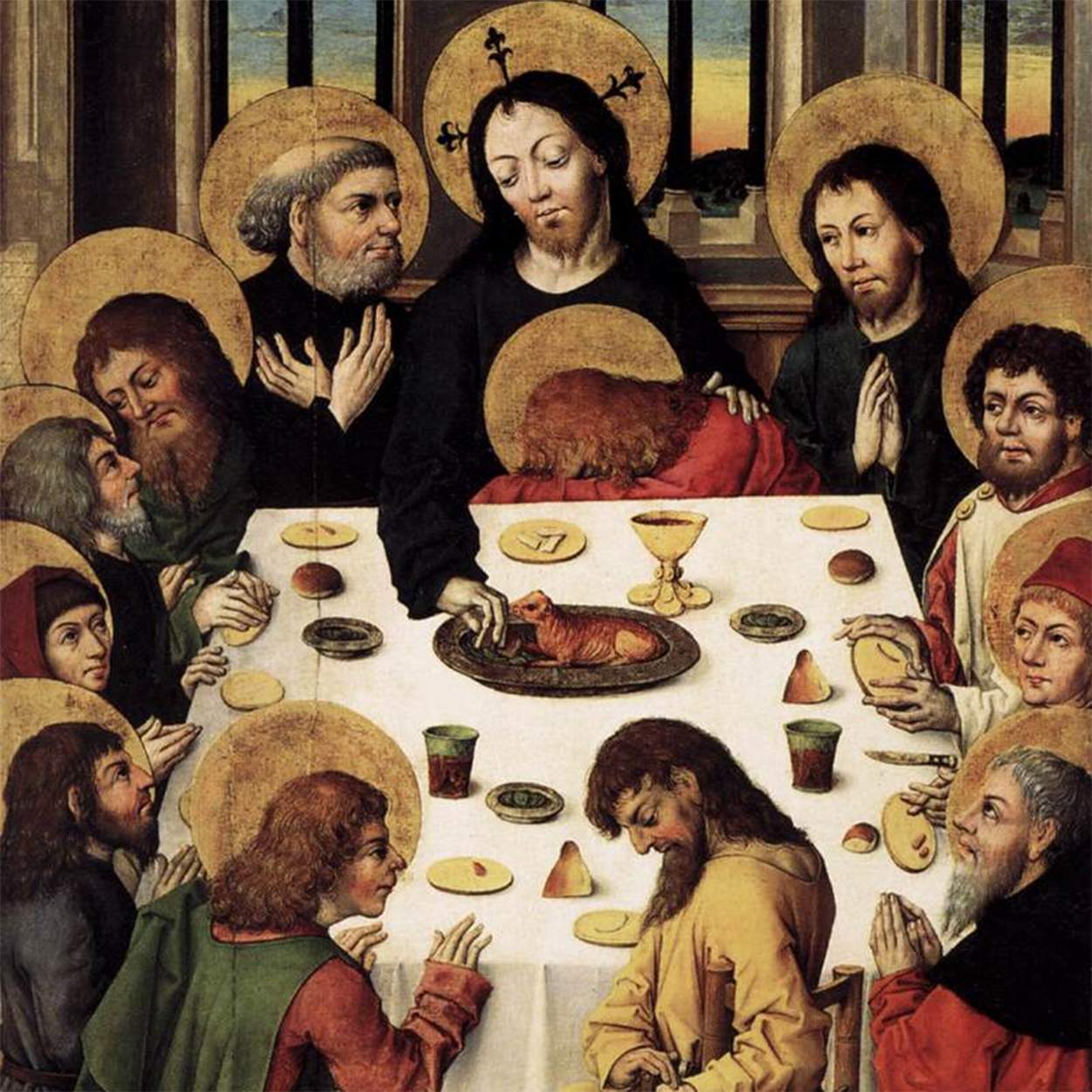
In the wake of calls for racial justice, it can be easy to feel defensive. Christ’s apostles modeled another way: looking introspectively.

It’s easy for any of us to assume that people disagreeing with our own views are influenced by ill-will, dishonesty or callousness. But what if we didn’t?

Latter-day Saints see their faith as a receptacle of truth not just a dispenser of it, which explains the ease in finding so much that is “virtuous” and “lovely” in many traditions.

The Roman world moved from persecuting to embracing Christians; as we now abandon Christian standards are we reviving many of the aspects of pagan persecution?
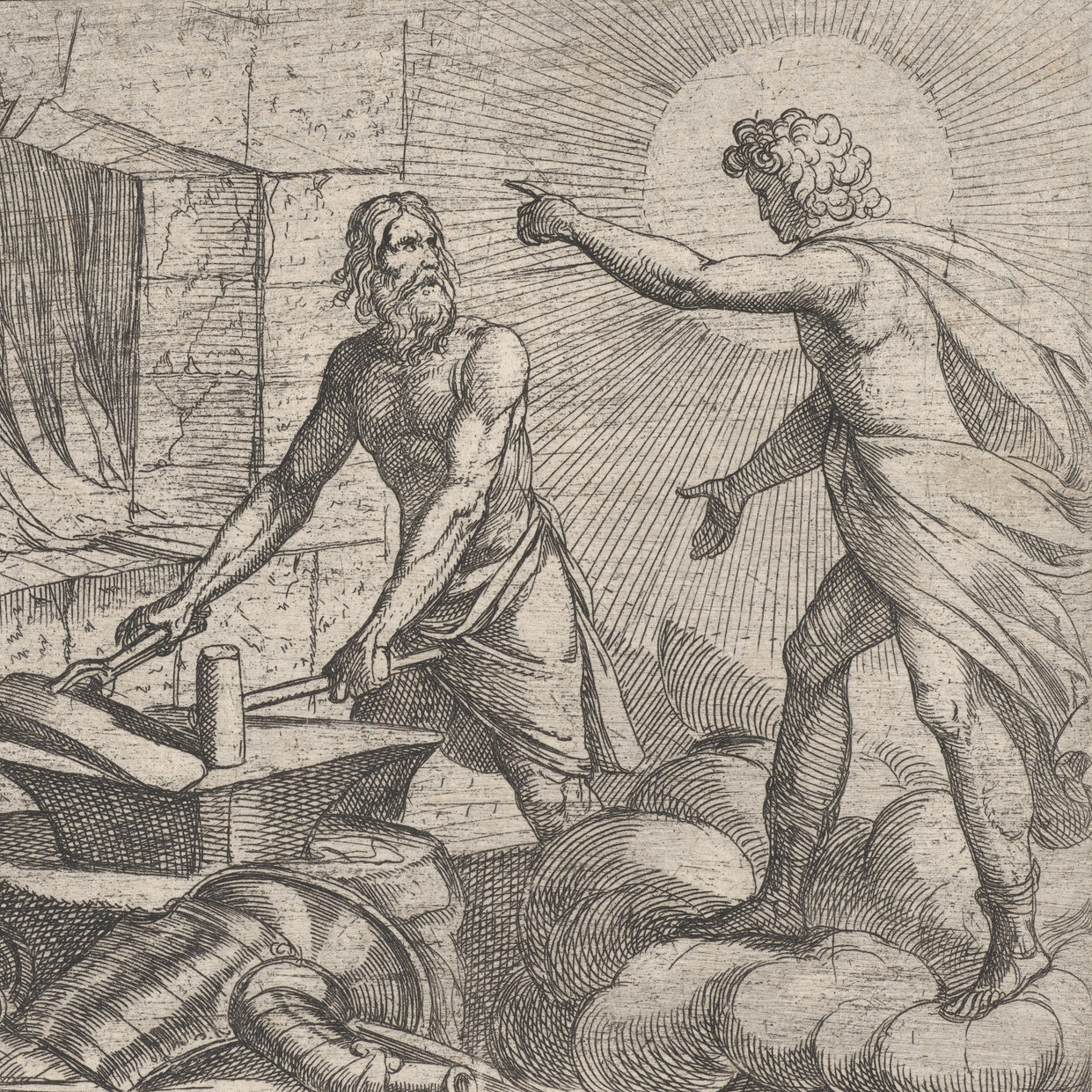
The dwindling sense of a common pursuit of truth is contributing to a deteriorating public discourse. Maybe it’s time to stand up for the truth about truth.
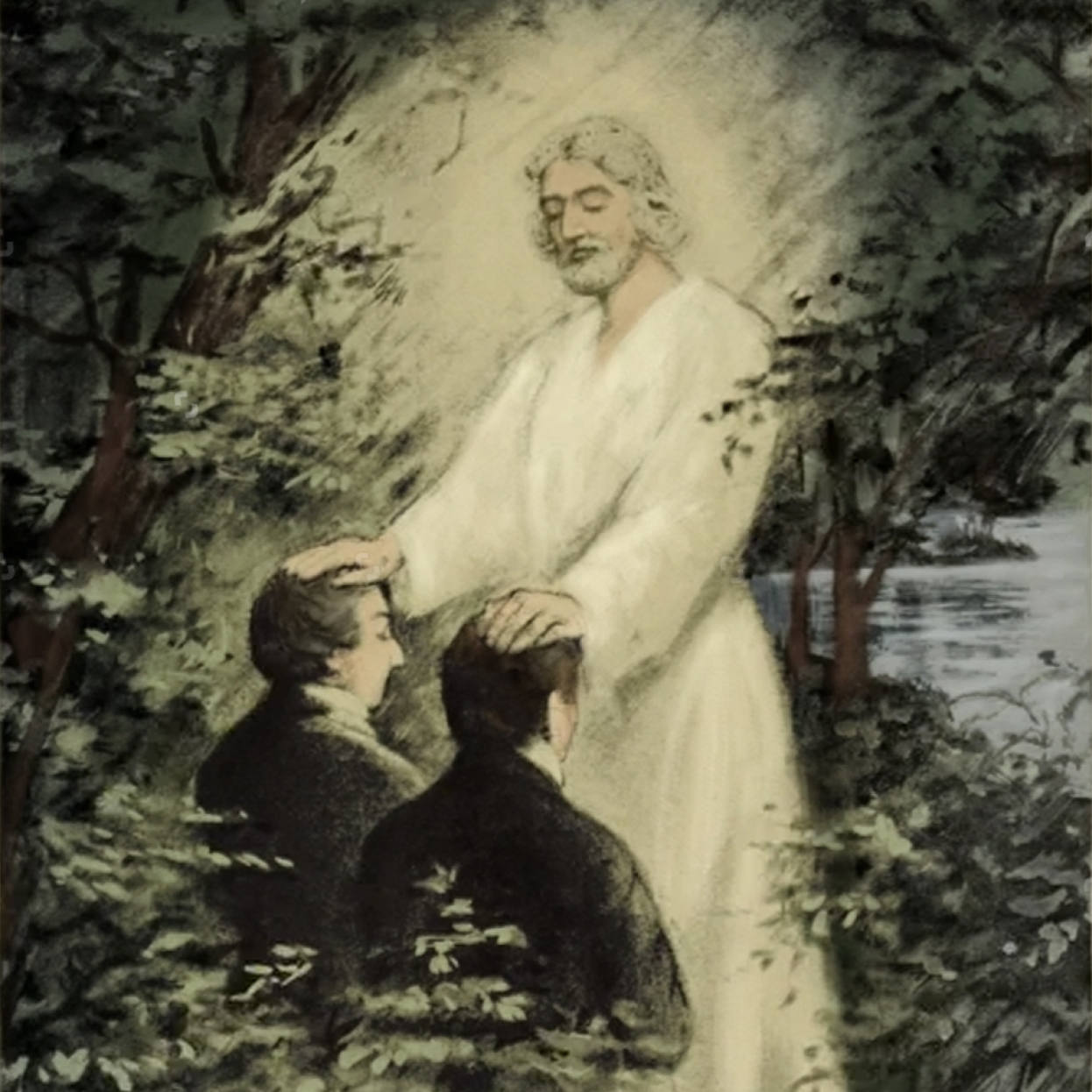
When issues are so important and feelings so intense and disagreements so profound, is it even possible to find unity again? Maybe if we take the lead from God’s own love for us.