The Doctrine of Christ is Not Racist
Like the accusations against its history, some have insisted the doctrine of the Church of Jesus Christ has racism “embedded” within it. Are those making this claim aware of what the Church actually teaches?
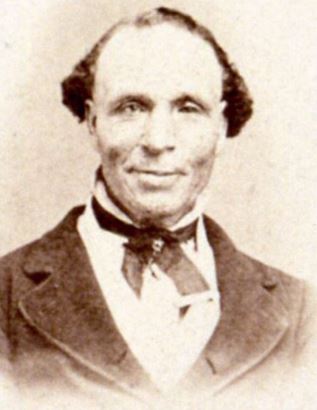

Like the accusations against its history, some have insisted the doctrine of the Church of Jesus Christ has racism “embedded” within it. Are those making this claim aware of what the Church actually teaches?
Those who claim that Latter-day Saint history is uniquely racist pay insufficient attention to the larger context surrounding early Saints, as well as the meaningful examples of positive race relations in the life of Joseph Smith.

As black conservatives have become more vocal and popular, efforts to dismiss them have also increased. If we’re serious about diversity and inclusion we need to hear from all black voices, including those on the right.

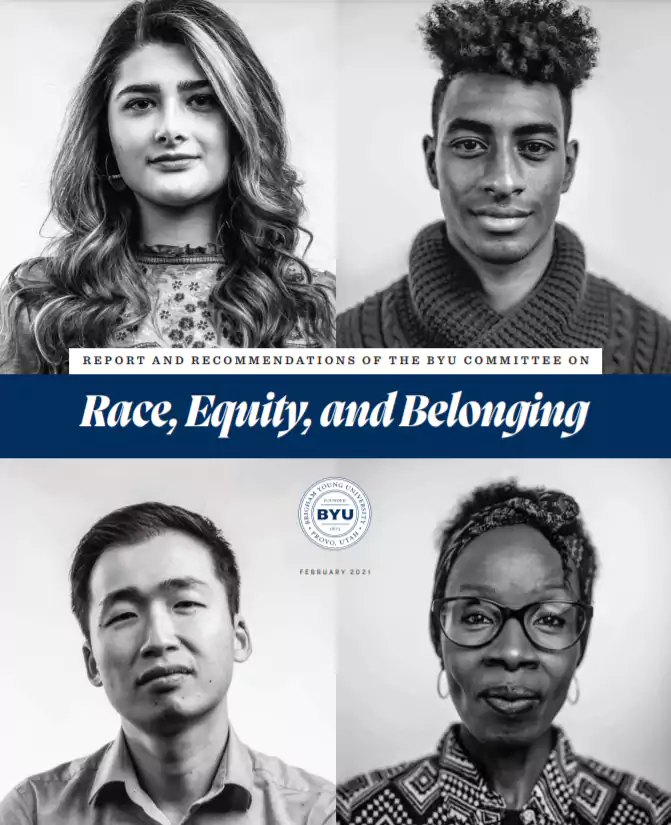
A long report on racial equity was released by a BYU committee last week, eliciting widely disparate public responses. We summarize three competing interpretations being taken up here.

The Second Amendment to the US Constitution talks about the right to bear arms but also talks about a well-regulated militia. It’s time to talk about how compromise can enable the Second Amendment for the good of all.

More empathy for the difficulties, fears, and frustrations of others ought to help us move forward together despite political differences. These eleven books have helped me deepen my understanding of poverty in America.

In response to those sensitive souls asking, “Why am I not there yet as a person?” or “Why are we not there yet as a society?” Latter-day Saint theology offers a patient optimism for steady growth in us and around us—along with the anticipation of collective light to become “brighter and brighter until the perfect day.”

In this time of growing hostility, there may be important things to learn from another time of deep conflict—one that resolved in a surprisingly peaceful way

If you have questions or concerns about the Black Lives Matter movement, does that make you racist—or suggest that you don’t believe “black lives matter?” Of course not. But if Americans were needing a reminder of why not, Jonathan Isaac just provided it.

If we seek to end direct violence without paying more attention to structural and cultural contributors, will we be successful? Not if we’re paying attention to advice from the Book of Mormon.

Along with some changes called for by Black Lives Matter protesters, a shift away from enmity will be necessary to avoid more of these tragedies.

More empathy for the difficulties, fears, and frustrations of others ought to help us move forward together despite political differences. These nine books have helped me deepen my understanding of those speaking out about race in America.