
Health
Untying the Gordian Knot of Addiction
“Why can’t I just stop?!” Understanding the brain’s own learning capacities can help us answer this maddening question that comes up with any addiction. It may also help us find a way out.

“Why can’t I just stop?!” Understanding the brain’s own learning capacities can help us answer this maddening question that comes up with any addiction. It may also help us find a way out.
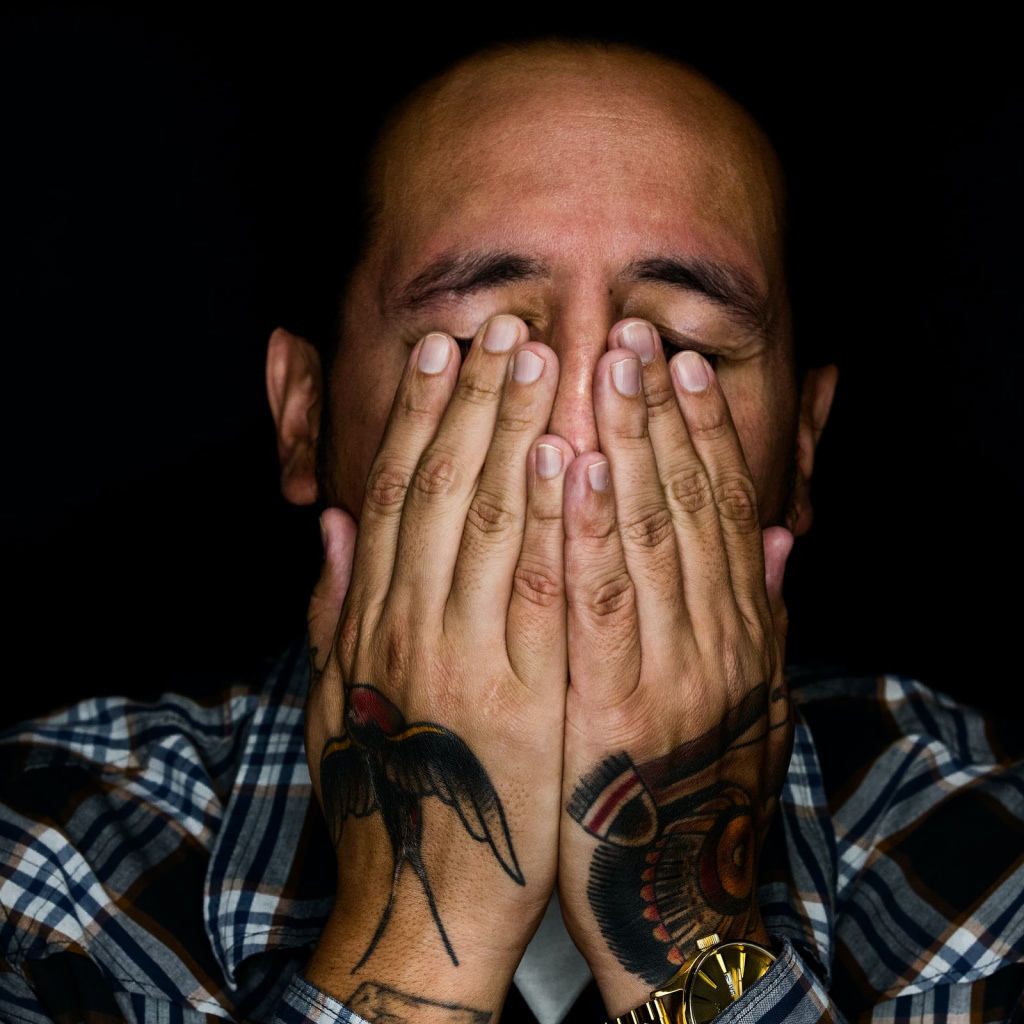
Remarkable scientific advances now confirm greater hope for deeper healing among those grappling with depression and anxiety. But this can feel unsettling and even threatening to some.

Depression has been excruciating. I’m so grateful to finally be on a path of deeper healing.
You’ve probably heard somewhere – from someone – that Utahns are far more likely to be depressed. You probably have not, however, heard about the broader picture of research that contradicts that especially popular Scary Story about Utah.
The narrative that teachings of the Church of Jesus Christ are causing suicidality among LGBT youth is unsubstantiated. New research, showing a negative association between Church membership and suicidality in these youth, suggests the possibility that the opposite is true.
In parallel to the “uniquely drawn to pornography” story is the “uniquely drawn to plastic surgery” tale about Utah. Once again, the preponderance of the available evidence – especially when carefully reviewed – isn’t so convenient and favorable to this increasingly popular narrative.
Some still like to claim that Utah has a uniquely high rate of porn use in the nation—purportedly related to cultural norms that “suppress” and “shame” sexual expression. This popular story only survives out of widespread ignorance over the science of pornography itself.

In advance of the likely approval and administration of COVID-19 vaccination to many younger children, it’s worth revisiting an important question in pharmacological research generally: How long does evidence gathering need to extend in order to deem an intervention “safe” or “effective”?
For those who have never had any serious reservations with conventional medicine or the prevailing public health pandemic response, prophetic encouragement to get vaccinated for COVID-19 seems obvious, non-controversial—even a no-brainer. But for those who have honest questions about our mainstream approaches to preserving healing and protecting against disease, following this counsel can feel terrifying—and go against everything they believe.
The intensity of feelings around vaccine mandates makes clear comprehension of what other people actually believe more difficult, and less likely across the board. Mapping out summary positions held on key questions might help a little, at least as a step in the right direction.

The COVID-19 pandemic is a once-in-a-century experience that should be reforming us at the soul level. Is it?
Did the pandemic year draw people away from religious community and commitments— or reinforce them? The answer is both—depending on who you’re talking about.