A follower of Islam wrote on Facebook this week that she will join Latter-day Saints around the world in their Good Friday fast and prayer for relief from COVID-19. “I will fast to [help] save the world,” she wrote.
Aside from being a welcome symbol of interfaith harmony, hers is a striking statement. What power do words and an empty stomach really have over a microscopic virus? Can such acts really save the world?
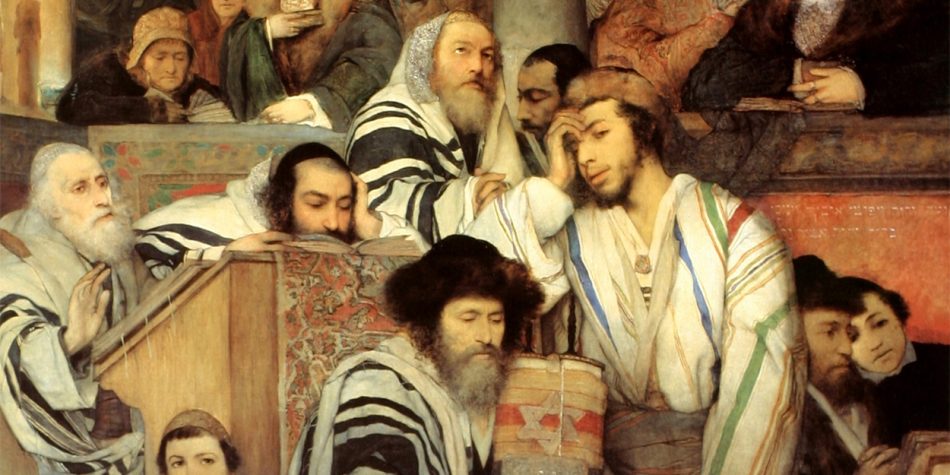
Of course, for believers, fasting is much more than going hungry. Fasting is a fascinating yet simple protest by spirit against flesh. It is countercultural to its core. It helps free human beings from what Fyodr Dostoevsky called “the tyranny of things and habits.” While many messages push us to purchase and consume, fasting politely pushes back and says, “No, not now.” “Obedience, fasting, and prayer are laughed at,” Dostoevsky wrote in 1879, “yet they alone constitute the way to real and true freedom: I cut away my superfluous and unnecessary needs, through obedience I humble and chasten my vain and proud will, and thereby, with God’s help, attain freedom of spirit, and with that, spiritual rejoicing!”
To return the interfaith gesture of that Islamic woman, let us consider the majestic poetry of the 13th century Islamic poet Rumi. He once mused on the spiritual powers of the empty belly:
There’s a hidden sweetness in the stomach’s emptiness.
We are lutes, no more, no less. If the soundbox
is stuffed full of anything, no music.
If the brain and the belly are burning clean
with fasting, every moment a new song comes out of the fire.
the fog clears, and new energy makes you
run up the steps in front of you.
Be emptier and cry like reed instruments cry.
Emptier, write secrets with the reed pen.
When you’re full of food and drink, an ugly metal statue sits where your spirit should. When you fast,
good habits gather like friends who want to help.
Fasting is Solomon’s ring. Don’t give it
to some illusion and lose your power,
but even if you have, if you’ve lost all will and control, they come back when you fast, like soldiers appearing out of the ground, pennants flying above them.
A table descends to your tents,
Jesus’ table.
Expect to see it, when you fast, this table
spread with other food, better than the broth of cabbages.
Rumi appropriately points us to Jesus’ table. Interestingly, when we visit this native of Nazareth in Matthew 4, we see, metaphorically, an empty spread. We encounter the hungry, thirsty, exhausted Jesus in the throes of what the Message Bible translation (MSG) calls “the Test.” This included fierce diabolical temptations on the heels of a grueling 40-day fast.
This capital-T Test represents an intense uprising against the carnal passions that every one of us has felt. The Devil urges Jesus to use his divine powers to turn rocks into bread—an unfathomable temptation in such an extreme state of hunger. Jesus, faithful to his Jewish roots, answers with the words of Deuteronomy: “It takes more than bread to stay alive. It takes a steady stream of words from God’s mouth.’”
Atop the Temple in Jerusalem, the Devil then provokes any potential pride in Jesus’ soul. “Since you are God’s Son, jump,” the Devil says, followed by an insincere quoting of Psalm 91: “He has placed you in the care of angels. They will catch you so that you won’t so much as stub your toe on a stone.” “Don’t you dare test the Lord your God,” Jesus fires back, again quoting Deuteronomy.
Finally, atop a large mountain of materialism, the Devil “gestured expansively, pointing out all the earth’s kingdoms, how glorious they all were. Then he said, ‘They’re yours—lock, stock, and barrel. Just go down on your knees and worship me, and they’re yours.’”
“Jesus’ refusal was curt: ‘Beat it, Satan!’” the MSG translation says. “He backed his rebuke with a third quotation from Deuteronomy: ‘Worship the Lord your God, and only him. Serve him with absolute single-heartedness.’”
Can fasting save the world? Can ridding ourselves of the curses of gluttony and materialism and pride change us for the better? Will this build our resolve and expand our vision and help us find more hope? Yes, yes, and yes. For Jesus, fasting was a critical preparation for his salvific acts. For us, fasting will condition the soul for better endurance in a world that abounds in disappointment and heartache—to say nothing of its many health benefits confirmed by modern science. Those advantages alone might be enough to recommend fasting in a time like this. Yet in addition, to fast is to witness to the power of the unseen all around us. In emptying our bodies of the bread of the world, we make room in our souls for the bread of life.