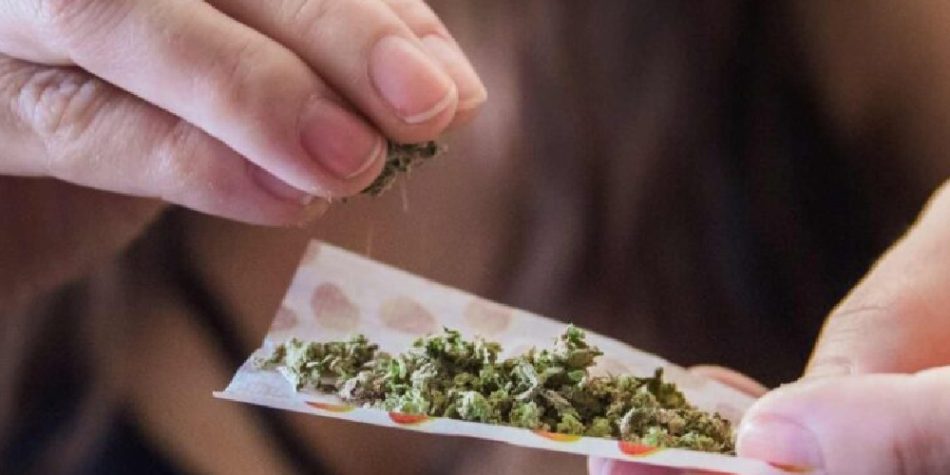
Hunter Andersen (name changed for privacy), a former high school student in New York City, started smoking marijuana when he was fifteen years old to cope with stress and boredom. He started using every day, even during school. He stopped paying attention in class, skipped homework assignments, and failed his exams. He also dropped out of his extracurriculars, stopped hanging out with his friends, and became isolated and depressed. By the time he was seventeen, he dropped out of school.
Hunter’s story is not unique. It is an example of how recreational marijuana is more problematic than many realize. Those who support legalization argue that it is a harmless way to relax and unwind, as well as a potential source of tax revenue. But we are only starting to appreciate the harms associated with this drug. There are many reasons why recreational marijuana use should remain illegal. As a former soldier and a convert to The Church of Jesus Christ of Latter-day Saints, I believe that recreational marijuana use is harmful to individuals and society at large.
This issue involves not only moral and religious values but also public health concerns. Too often, we assume that religious arguments have no other support. But that is not true for this issue.
Marijuana Harms the User
Perhaps the main reason you should support recreational marijuana being illegal is out of pure self-interest. Marijuana is harmful. According to a report by the National Academies of Sciences, Engineering, and Medicine (NASEM), “Marijuana use is likely to increase the risk of developing schizophrenia and other psychoses; the higher the use, the greater the risk.” The report also notes that marijuana use can impair memory, attention, learning, and other cognitive functioning. These negative effects on the brain are particularly concerning, as they can have long-lasting and detrimental effects on an individual’s health. Furthermore, it can have negative effects on the respiratory system, increasing the risk of lung cancer, chronic bronchitis, and other respiratory diseases. Marijuana use has also been linked to an increased risk of heart attack and stroke. Legalized recreational marijuana harms children.
Marijuana Harms Society
If the religious are concerned about caring for their own bodies, they are even more concerned for others. “Thou shalt love thy neighbor as thyself,” Jesus famously said. And the negative effects of marijuana are particularly acute for society as a whole.
The fact that recreational marijuana is illegal in many states and countries is not simply a matter of arbitrary legislation; rather, it is based on scientific evidence that marijuana is a harmful drug with significant negative effects on individuals and society.
Marijuana use negatively affects broader society in many ways. Most obvious are its negative effects on public health. The same NASEM study also showed that marijuana use causes impaired driving and increases the risk of accidents—which, of course, has serious consequences for not only the individual but also for innocent bystanders. Additionally, marijuana use during pregnancy can have negative effects on fetal development and increase the risk of stillbirth and low birth weight. In addition to the medical costs for other marijuana-related health issues, the legalization of marijuana leads to an increase in healthcare costs.
But the social harms extend beyond the obvious. The legalization of recreational marijuana also counterintuitively increases crime rates, as increased use of marijuana creates a higher demand for harder and still illegal drugs. Even the black market for marijuana has remained the same size in spite of legalization. Altogether, studies have found that law enforcement costs actually go up in jurisdictions where recreational marijuana use is decriminalized or legalized.
Marijuana use also harms our society’s bottom line. Marijuana impairs job performance, reduces motivation and productivity, and increases absenteeism. These negative effects can have a ripple effect on society, affecting not only the individual but also their family, friends, and coworkers. And if those aren’t enough, Marijuana legalization is harming the environment.
While some have argued that legalizing recreational marijuana will improve state budgets by increasing tax income, the accumulation of all these negative effects actually costs more overall than the tax upside.
Marijuana Harms Children
Among the greatest concerns for people of faith is how we treat our little children. And legalized recreational marijuana harms children.
One of the biggest risks is accidental ingestion. This happens especially when they are exposed to edible products that look like candy or snacks. According to the Washington Post, there has been a surge in calls to poison control centers and hospital visits involving children who consumed marijuana edibles in states where it is legal. And when children do ingest marijuana, it can cause trouble breathing, loss of coordination, drowsiness, and seizures.
The story is worse for adolescents who use it regularly. When teenagers use marijuana, it can impair brain function, memory, learning, and attention. It can also increase the risk of mental health problems, such as depression, anxiety, and psychosis. The American Academy of Pediatrics opposes the legalization of recreational marijuana because of these potential harms.
But legalizing marijuana harms not only the children who take it but the children whose parents take it. And when recreational marijuana is legalized, parents take it twice as often as in other states. And when they do, those children are more susceptible to accidental ingestion, as well as secondhand smoke. Not to mention that you become a worse parent when you’re high, not providing the supervision and guidance that children need.
Marijuana Harms the Marginalized
Perhaps most worryingly for people of faith, the legalization of recreational marijuana harms the most vulnerable among us. According to Matthew 25:40, “Inasmuch as ye have done it unto one of the least of these my brethren, ye have done it unto me.” We should bear one another’s burdens and comfort those who stand in need of comfort, as taught in Mosiah 18:9. Recreational marijuana legalization use is contrary to compassion for those who suffer from addiction or mental illness.
Marijuana use can exacerbate existing mental health conditions such as depression and anxiety. And it can be a risk factor for addiction. According to a report by the Substance Abuse and Mental Health Services Administration, “Marijuana use can lead to the development of problem use, known as a marijuana use disorder, which takes the form of addiction.” And this effect takes place most often for those in poverty and other vulnerable populations.
And while marijuana legalization increases these risks for the vulnerable, they are kept out of participating in the financial upside due to barriers such as licensing fees, taxes, and costly regulations.
Legalization Does Make it Worse
A myth persists that often use and availability of recreational marijuana will remain consistent regardless of whether or not it is legal—as though legalization will have no effect other than not to criminalize those who would have been using marijuana in any case. This argument has the benefit of being able to dismiss all other arguments about the negative aspects of marijuana because, they argue, marijuana use actually won’t change.
The trouble is that this isn’t true.
The legalization of marijuana leads to decreased perceptions of risk. People who live where marijuana is legalized conclude that if it is legal, it can’t be that bad for you. They also are more likely to partake because there is no legal risk to doing so. The research on this issue concludes that legalizing recreational marijuana leads to an increase in recreational marijuana use. So arguments in favor of legalization must grapple with the harms of marijuana because those harms will increase.
It is important to note that the legalization of marijuana for medical purposes is a separate issue and should be evaluated based on the available evidence and medical consensus. My argument focuses on the fact that recreational marijuana use and legalization pose significant risks to public health, safety, and well-being.
As individuals, we have a responsibility to make informed decisions about our health and the health of our communities. We can choose to avoid harmful substances and behaviors and promote healthy and compassionate alternatives. We can also support policies and initiatives that prioritize public health and safety.
Therefore, it is important for individuals and policymakers to carefully consider the potential negative consequences of recreational marijuana use and legalization. I believe that we should strive to create a society that promotes health, safety, and compassion for all individuals in accordance with God’s plan for us. This includes taking a stand against harmful substances and behaviors that can negatively impact our physical, mental, and social health. Recreational marijuana use should remain illegal because it is harmful to individuals and society at large. The potential negative effects on physical, mental, and social health, as well as the potential negative impact on vulnerable populations, outweigh any potential benefits. The Bible and the Book of Mormon teach us to care for the health and well-being of our fellow human beings. I urge my fellow citizens to reject the legalization of recreational marijuana and to work together to build a healthier, safer, and more compassionate society.