
Faith
As Extremism Roars, the Prophet’s Final Word Was Peace
What should believers do amid extremism and grief? They choose peacemaking, refuse contempt, and honor every soul.

What should believers do amid extremism and grief? They choose peacemaking, refuse contempt, and honor every soul.
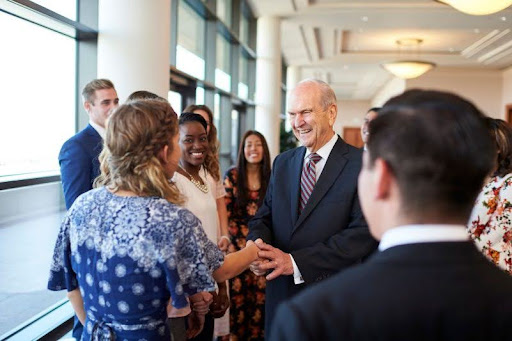
He met with leaders, but Nelson’s legacy was in names, small flocks, and comfort that made the forgotten feel seen.
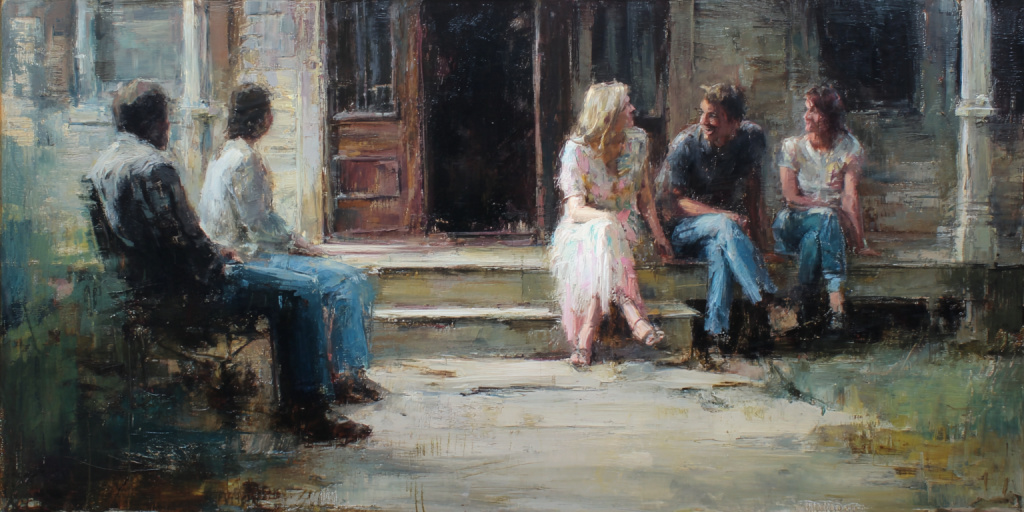
Can faith survive family fracture? Yes, with conviction, grace, and hope shaped by discipleship.

What does faith require in horror’s wake? A deeper understanding of agency, space for grief, and trust in divine mercy.

How does finishing last become a triumph? True heroism lies in rising after failure and enduring with heart.

Pain can be spiritually and existentially productive—it wakes us up, calls us deeper, and invites us toward transformation.
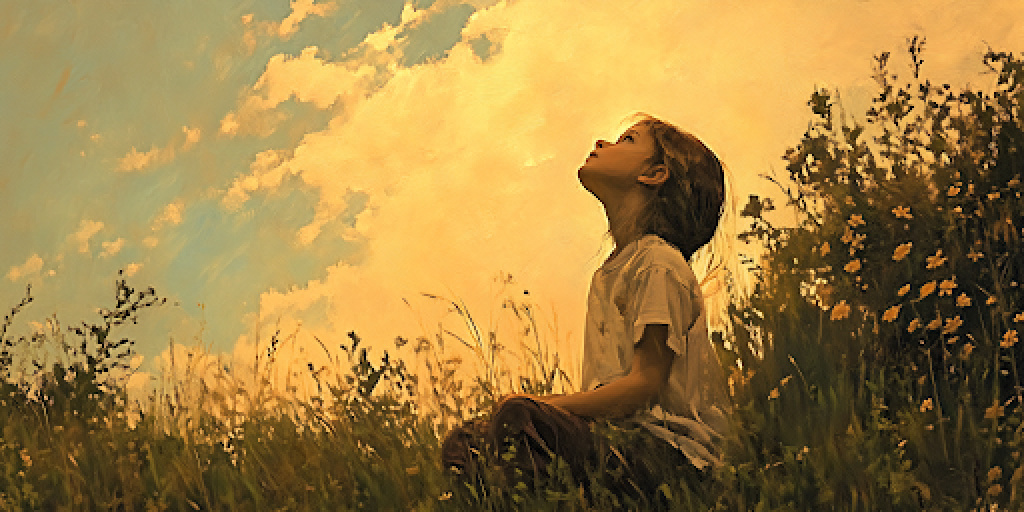
What does waiting for Christ’s return bring? Anticipation creates joy, purpose, and spiritual resilience.

A near-death experience at 39 leads a mother to challenge her perceptions of entitlement, faith, and mortality.
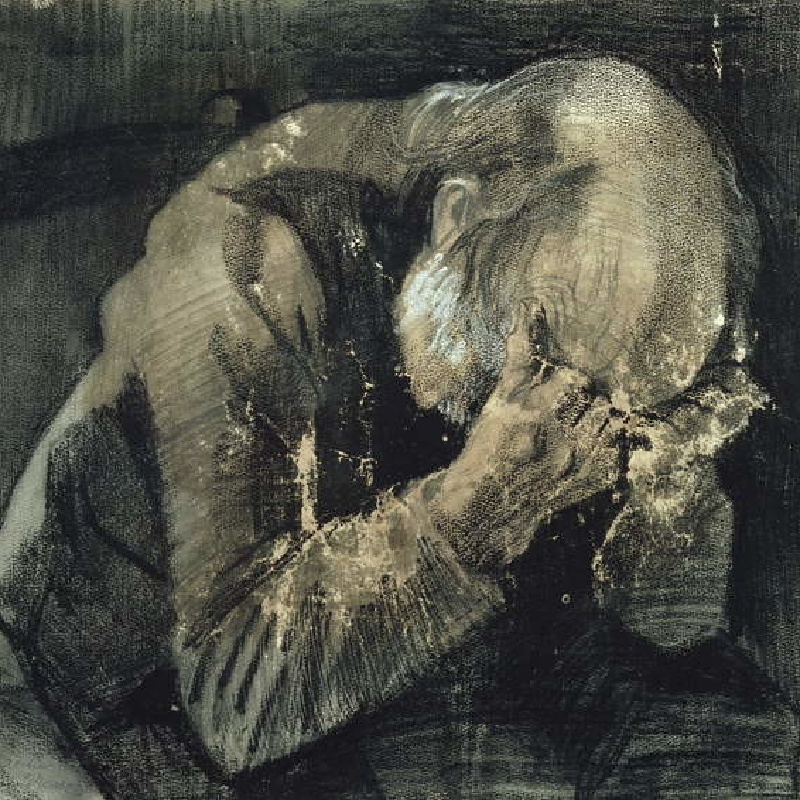
Jumping into policy-making after a tragedy may not be best. If we aren’t careful, we can fall for policy errors that can actually make the problem worse.
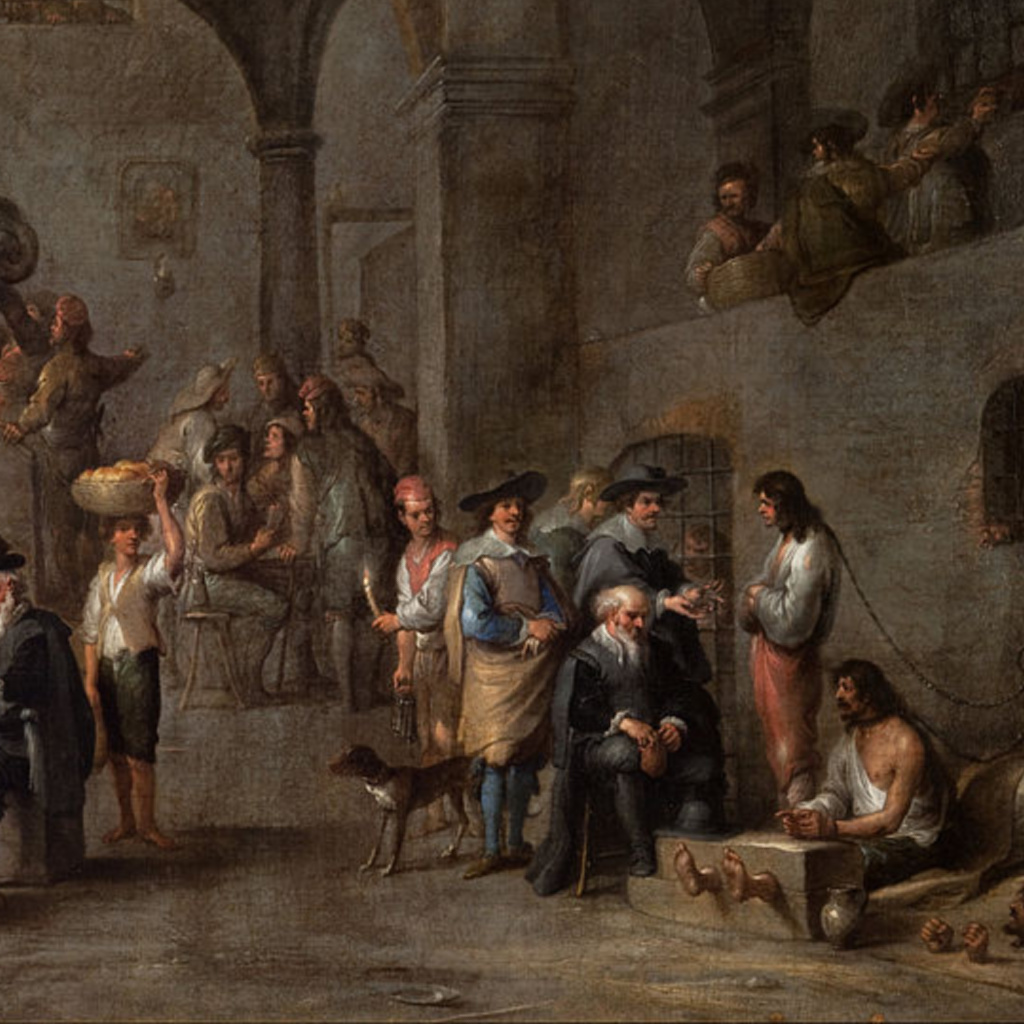
Can followers of Christ speak the “whole language” without considering the entirety of the very language of Jesus that makes us whole? A review of Fr. Gregory Boyle’s book, The Whole Language: The Power of Extravagant Tenderness.
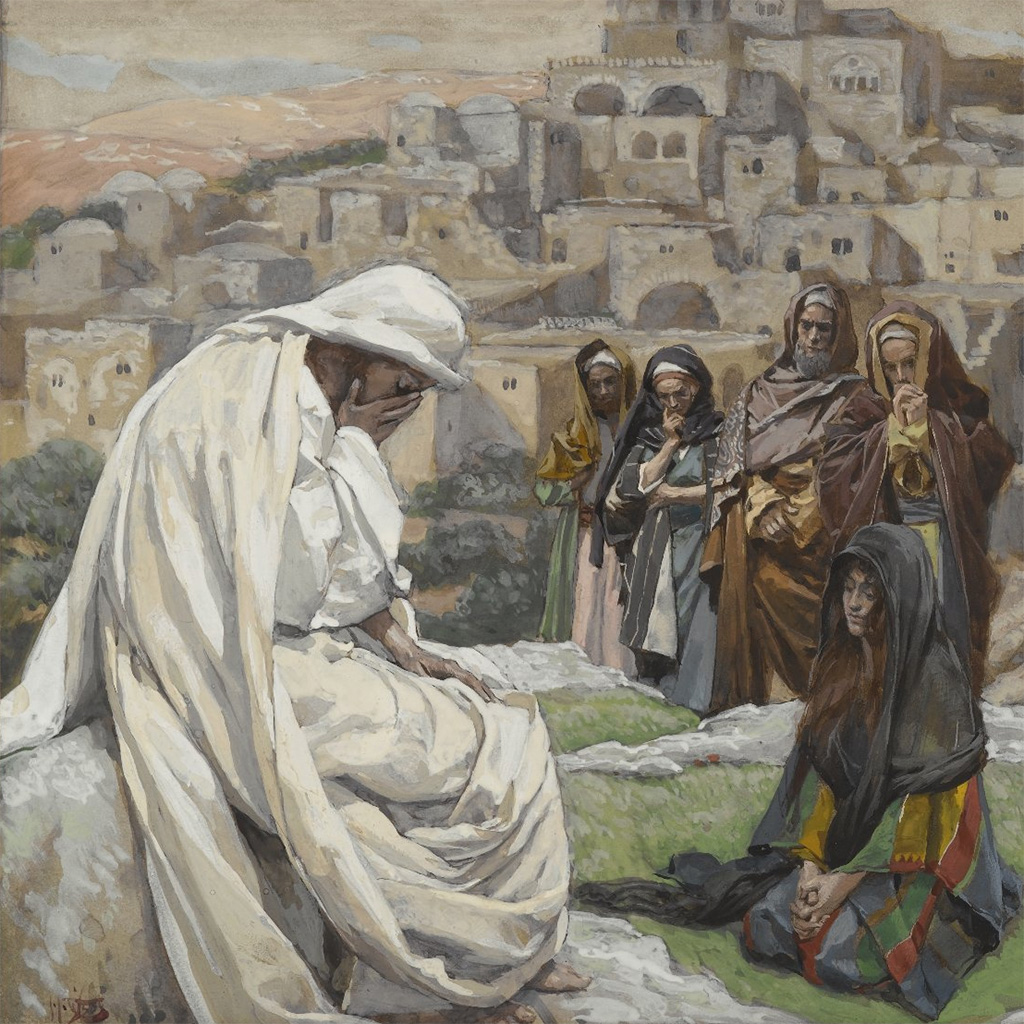
Much sorrow is being felt in the wake of this pandemic, by so many. How can we better “mourn with those that mourn,” while also working through our own grief in healing ways?
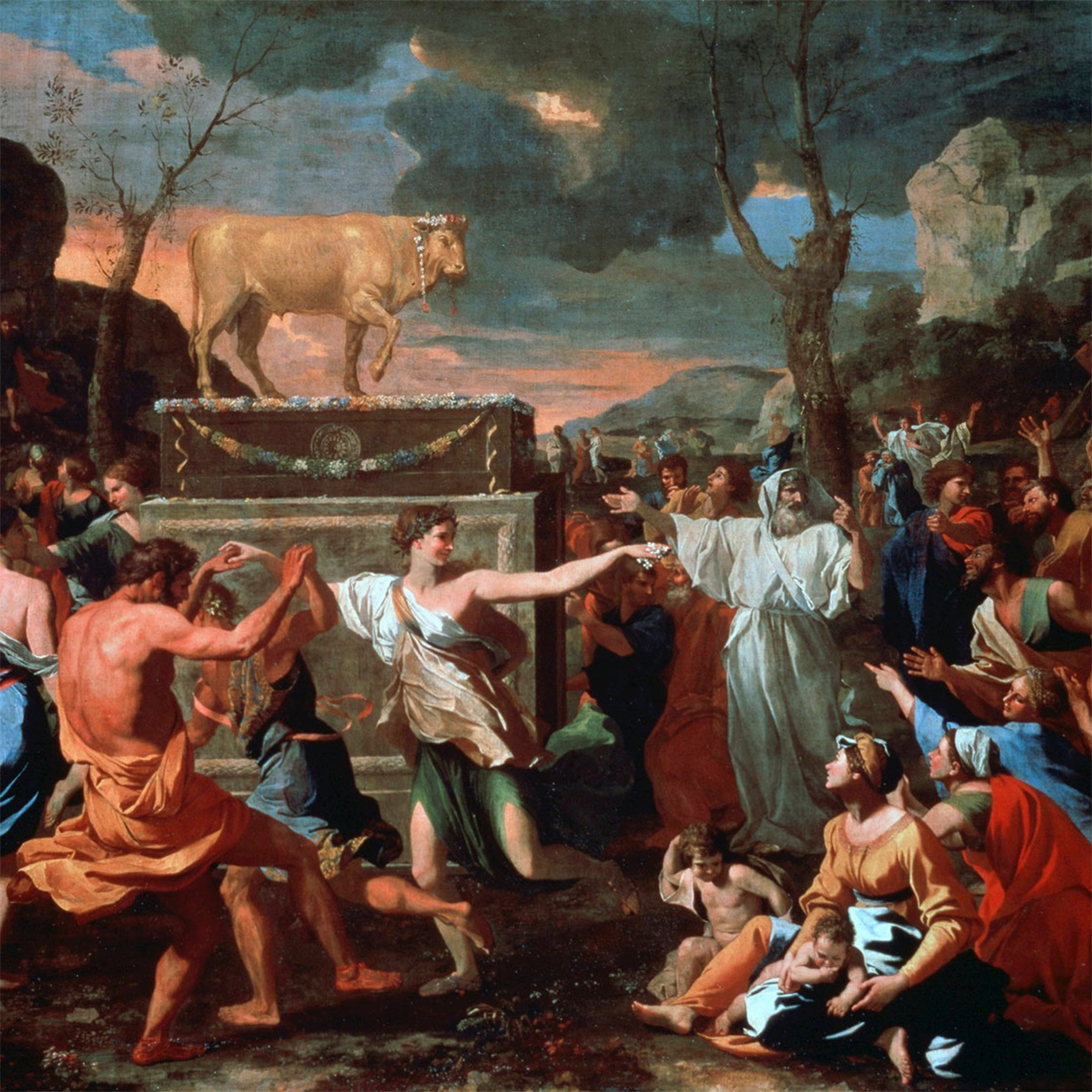
However challenging it has been to make sense of evil as believers, try doing that without God in the picture. As many conclude there is no ultimate purpose or justification in evil, there is likewise no sense of ultimate redemption from it either. How could you not then feel despair and outrage?