Holidays
The Jewish Roots of the Resurrection—and the High Sabbath Christianity Forgot
Did Christ fulfill ancient Jewish holy days? His Atonement aligned with sacred dates and prophesied events.

Did Christ fulfill ancient Jewish holy days? His Atonement aligned with sacred dates and prophesied events.

What do ancient holy days teach about Christ? They reveal prophecies of His ministry, crucifixion, and resurrection.

How a move abroad revealed the emptiness of consumerism and the beauty of a simple Christmas.

How do religious couples perceive God in their relationship? They report seeing divine purpose, strength, and unity.

Is numerology reliable? Despite intriguing patterns, it often leads to confusion and misinterpretation.

Can the Israeli-Palestinian conflict find a path toward peace? A recent study shows that increased information may offer an upside.
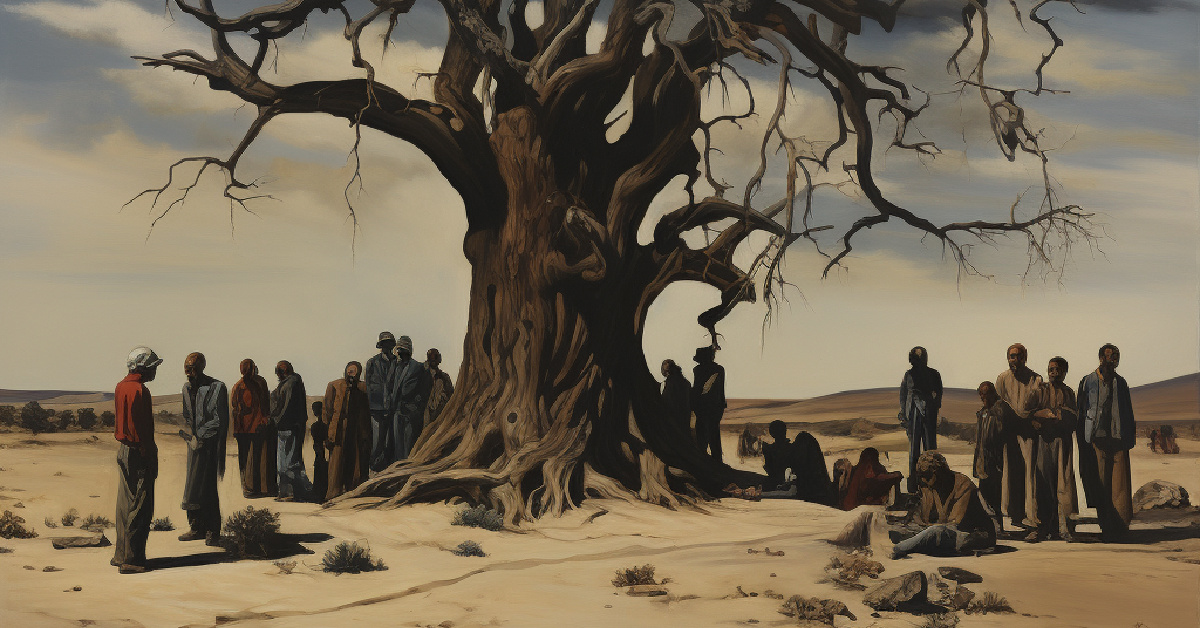
Amidst the Israeli-Palestinian conflict’s turmoil, what resounds in the hearts of those directly affected? Personal narratives from Gaza to Jerusalem unveil a tapestry of despair, hope, and unwavering resilience in the face of adversity.

For eight years in Jerusalem, a family observes the complexities of Israeli-Palestinian tensions. Israel’s survival hinges on military might, while Palestinians face leaders’ corruption. The struggle muddies right and wrong for both.
Last week the Times of Israel asked, “Why do the Utah Jazz, in the Mormon capital, play ‘Hava Nagila’ after wins?” The answer is complicated. The song was first written in 1918, and the author soon moved to Cincinati where he played a role in planning Jewish summer camps, where the song quickly became associated with athletics. By the 1970s the song was being played at professional sporting events. Having been in the sports milieu for more than 50 years, it shouldn’t come as a surprise that so many sports team use the song, and that some of them use the song regularly as the Jazz do. The complicated history could be an occasion to celebrate our multi-cultural nation. But Emily Kaplan took it another way. Kaplan has tried to represent herself in the past as a neutral journalist interested in covering Latter-day Saints. Her first effort left much to be desired, marginalizing most Latter-day Saint voices in favor of her own narrative about a regressive church. When confronted by these critiques Kaplan grew very defensive, doubling down on her right to repurpose Latter-day Saint faith, culture, and history, to fit her narrative. So it might come as some surprise her response to the question Times of Israel proposed: Not only does Kaplan descend into outright insults “garments in a twist” she concludes that the Jazz’s use of the song is somehow part of a weakness of Latter-day Saints rather than related to the larger sports culture, where it’s inspiration clearly comes. Kaplan’s effort to shoehorn a criticism against Latter-day Saints complete with slurs in a place where it doesn’t belong, firmly establishes that she is not the neutral journalist about Latter-day Saints she attempted to portray herself as. I agree that something offensive and absurd has happened here, I just don’t think it has much to do with sports anthems.
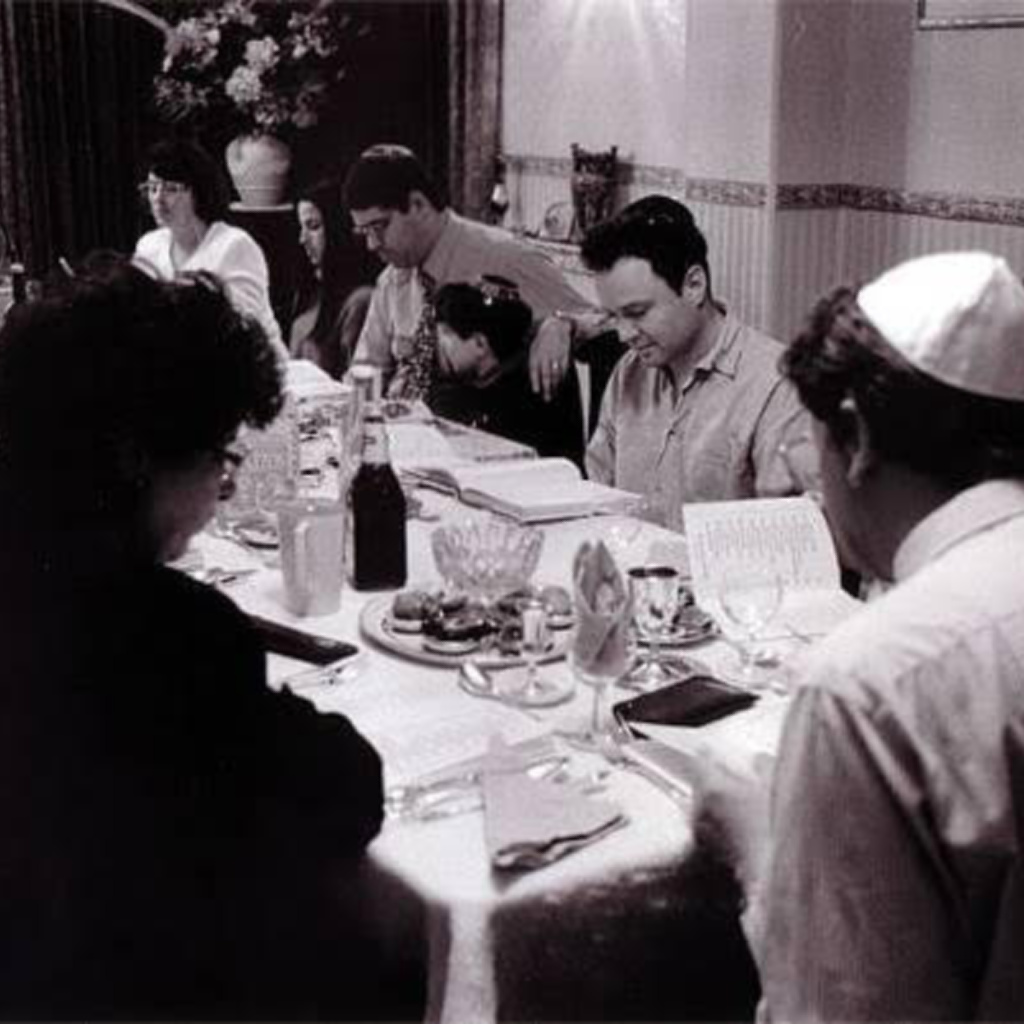
At a time of rising antisemitism, it can be especially helpful to reflect on ways in which a Latter-day Saint perspective invites robust solidarity and rich connection with Jewish friends.
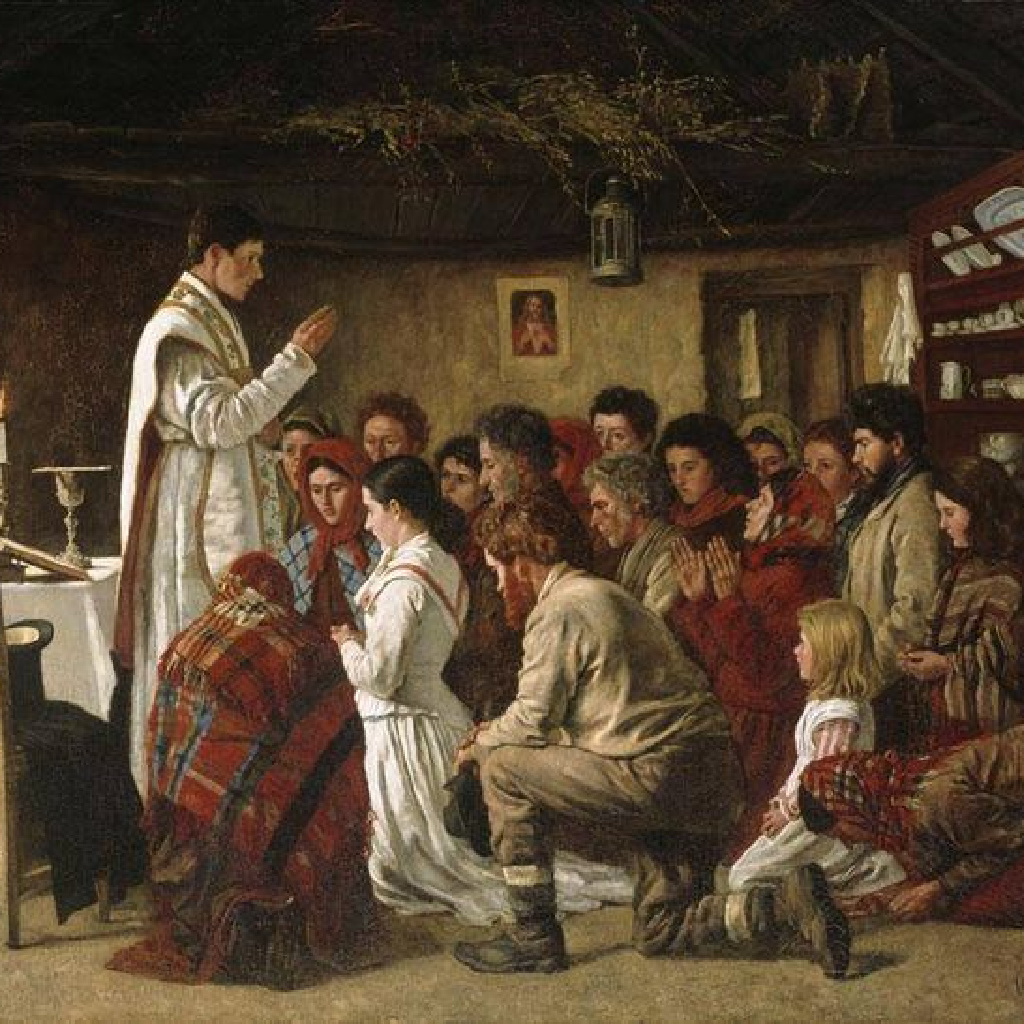
Faiths across the world observe sacred moments. Watching and participating with them not only helps us love one another more but can deepen our own faith.