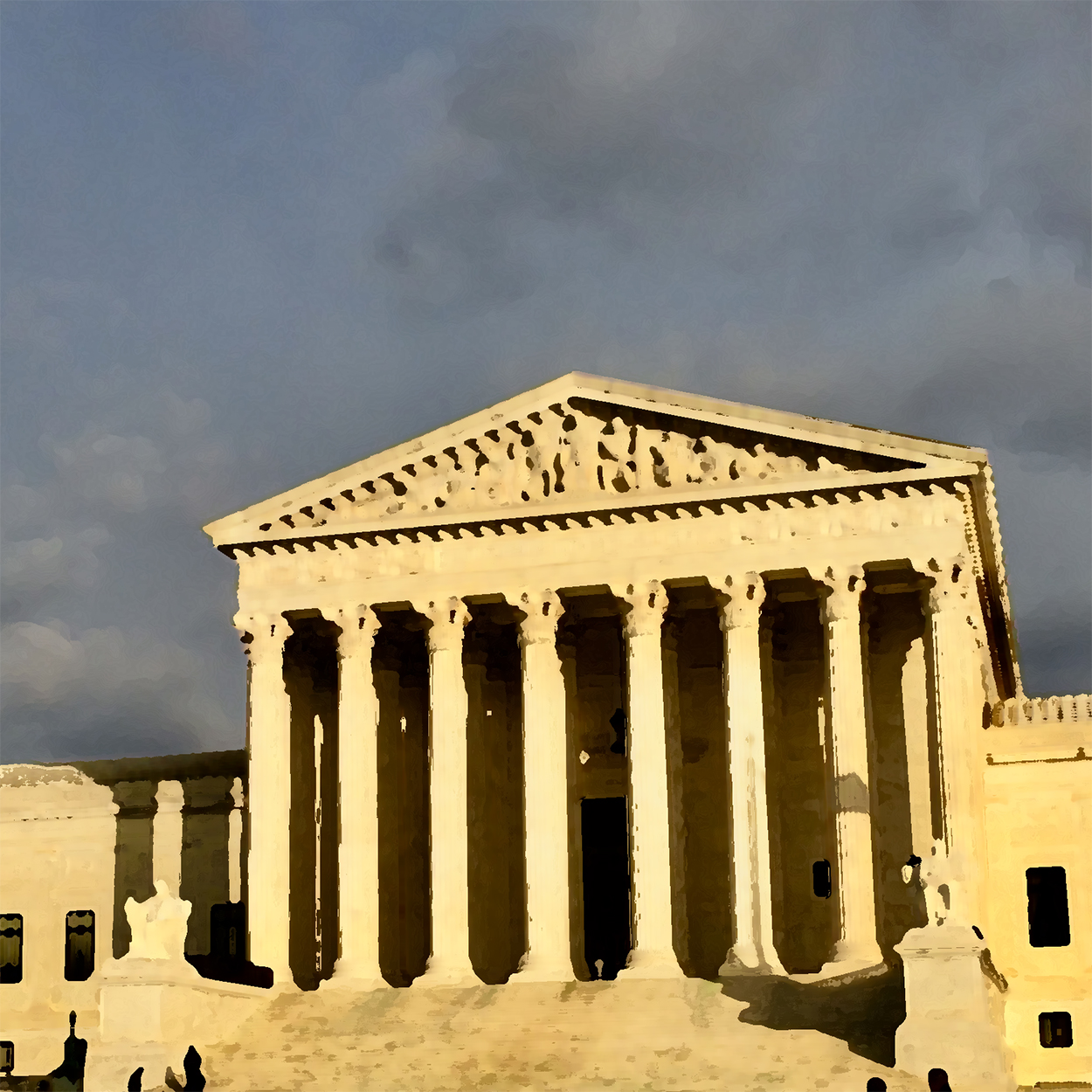
Two stories out over the past several days seem deserving of attention. In one, Walmart settled a religious freedom complaint that seemed likely to end up before the Supreme Court. While in the other, the Major League Baseball team, the Tampa Bay Rays, had a temporary team uniform celebrating sexuality as an identity that several players had religious objections to wearing. The similarities between the two cases are clear. In both, employees sought religious accommodations at work. And in our opinion, these represent a positive step forward for religious freedom. The Walmart case is more complicated. One employee was offered an assistant manager position, but because he was a Seventh-day Adventist, he chose not to work from sundown Friday to sundown Saturday. This meant that Walmart would need to rearrange schedules by asking other managers to cover unpopular shifts, leave the store understaffed, or hire an additional manager. All of these potential accommodations would impose some cost on Walmart. The current law on this issue is that employers do not need to accommodate religious employees if there is more than a trivial cost attached. This is a much lower standard of accommodation than is required in other cases, and so some have suggested that the Supreme Court might intervene to make the standard for religious accommodations the same as other kinds of accommodations. While Walmart’s settling prevents that Supreme Court case, for now, it does suggest perhaps a changing tide that employers may be recognizing the prudence of a fairness for all approach. The Tampa Bay Rays situation is in much murkier legal waters. Private employers can compel speech in most cases, even if it’s not directly related to the job, but does asking for a specific religious exemption constitute more than a trivial cost? The Rays sidestepped this question entirely by putting their diversity policies where their mouth is. While some fans opposed anything other than total conformity from the players, the coach said that conversations in the clubhouse were what the Associated Press described as “constructive and emphasized the value of differing perspectives.” It is certainly always difficult to be part of the small group that opts out of the popular statement, but I think it is a sign of progress that in both the cases of Walmart (eventually through litigation) and the Rays, employers recognized the need to appreciate the religious diversity in their workplace.