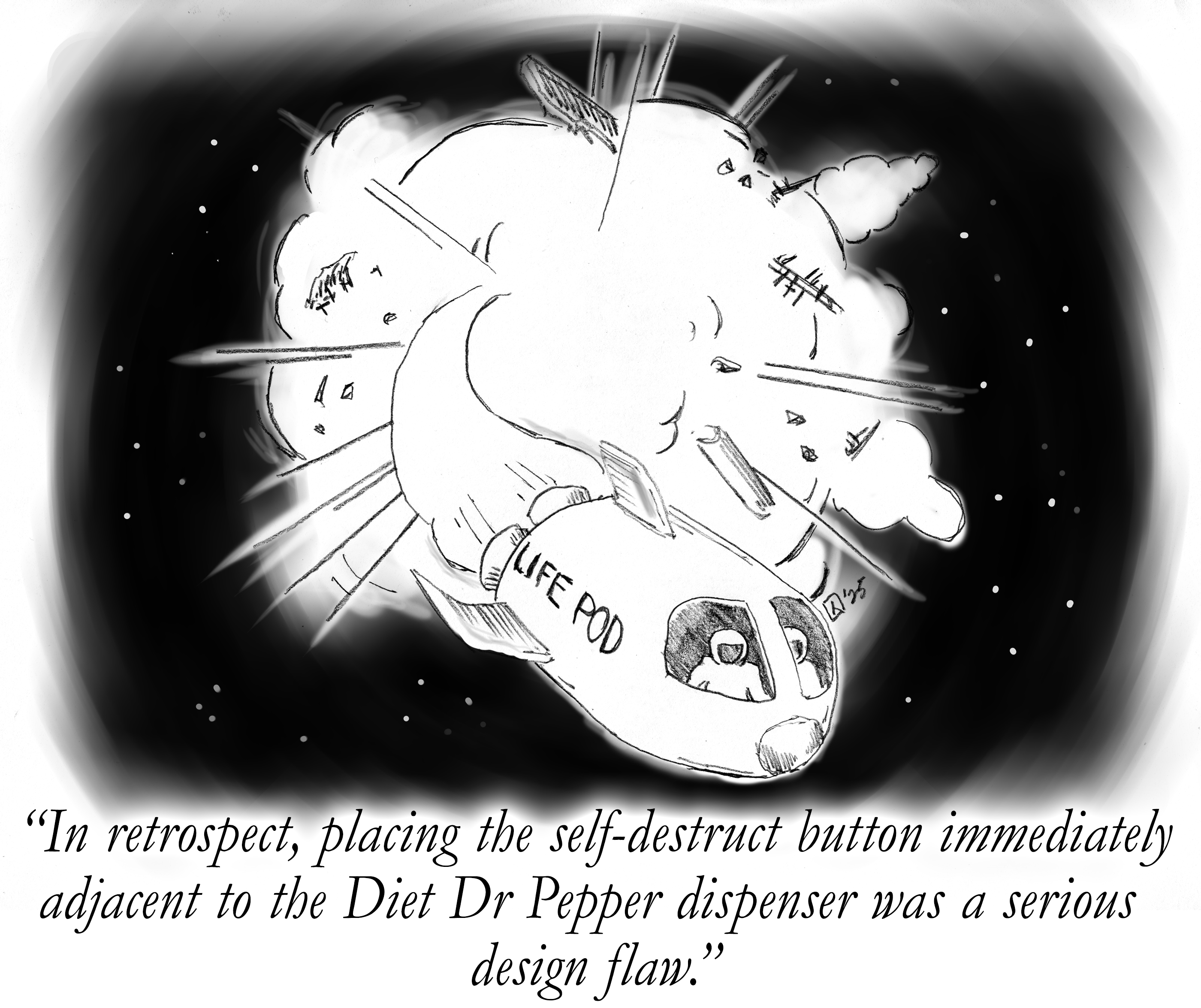

Who will lead the Catholic Church next? The conclave may reshape its global, theological, and moral influence.
Latter-day Saints are finding themselves in a bind today after a trailer was released revealing that FX will be broadcasting temple ceremonies as part of its new show “Under the Banner of Heaven.” The television program is based on a sensationalized book about a Latter-day Saint detective, that includes substantial themes around his faith. While the depiction of sacred ceremonies of the Church are clearly inappropriate, Latter-day Saints are stuck wondering if they should simply ignore the program, or highlight the offensive nature of it, giving the show the attention such a provocation was clearly designed to elicit.
For most in the world, the word “saint” signals something unreachable by mere humans. That’s not how Latter-day Saints see it, though.
Stay up to date on the intersection of faith in the public square.