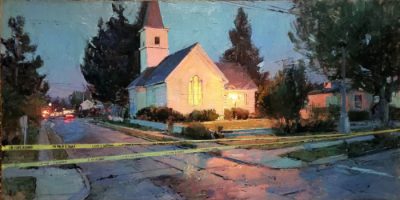
Taylor Frankie Paul’s distress exposes the limits of a cultural script that mistakes religious rebellion for freedom.

The choice between pride and shame is a false binary—transcending both enables a growth mindset more conducive to durable Christian discipleship.

What is power? It is self-mastery and persuasive virtue that honors agency, invites participation, and endures.
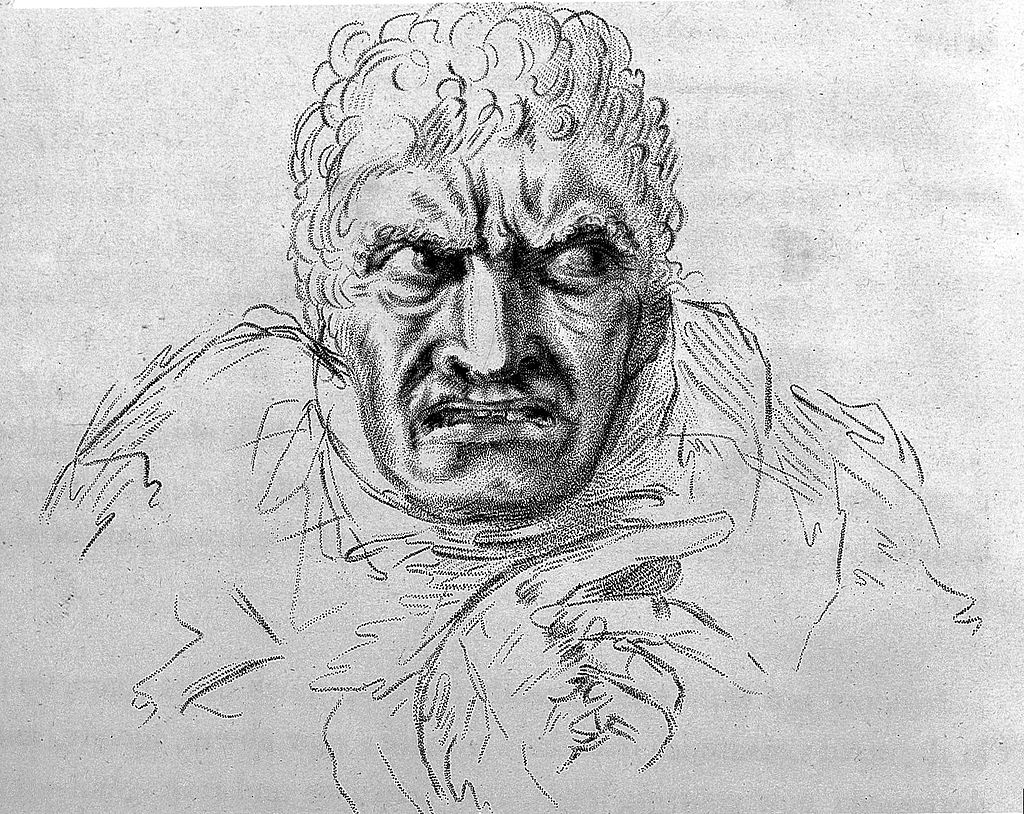
Early this morning, President Trump stood before the American people on the verge of another astounding upset and accused his opponents of fraud. When will the mounting levels of mutual suspicion and accusation take us past our breaking point as a country?

While the Washington Post sheds light on the Church of Jesus Christ’s finances, it overlooks key perspectives, instead allowing our critics to speak for us.

A near-death experience at 39 leads a mother to challenge her perceptions of entitlement, faith, and mortality.