Religious Freedom
Trusting God’s Hand in History
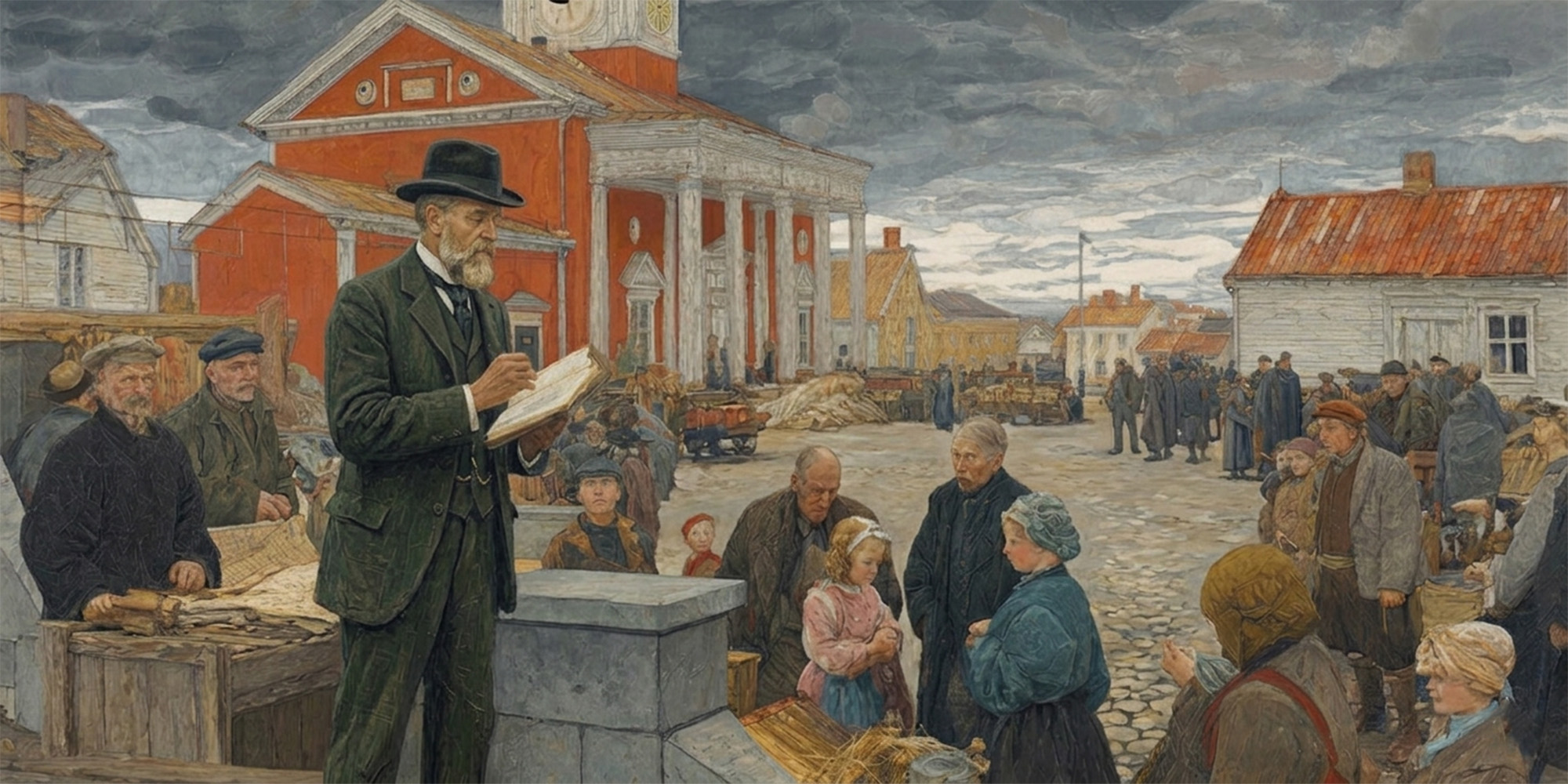
How has God influenced the unfolding of history? Providential history explores the divine role in human affairs in ages past.

How has God influenced the unfolding of history? Providential history explores the divine role in human affairs in ages past.

America’s Constitution points toward equal justice, but that promise depends on citizens who act with courage.
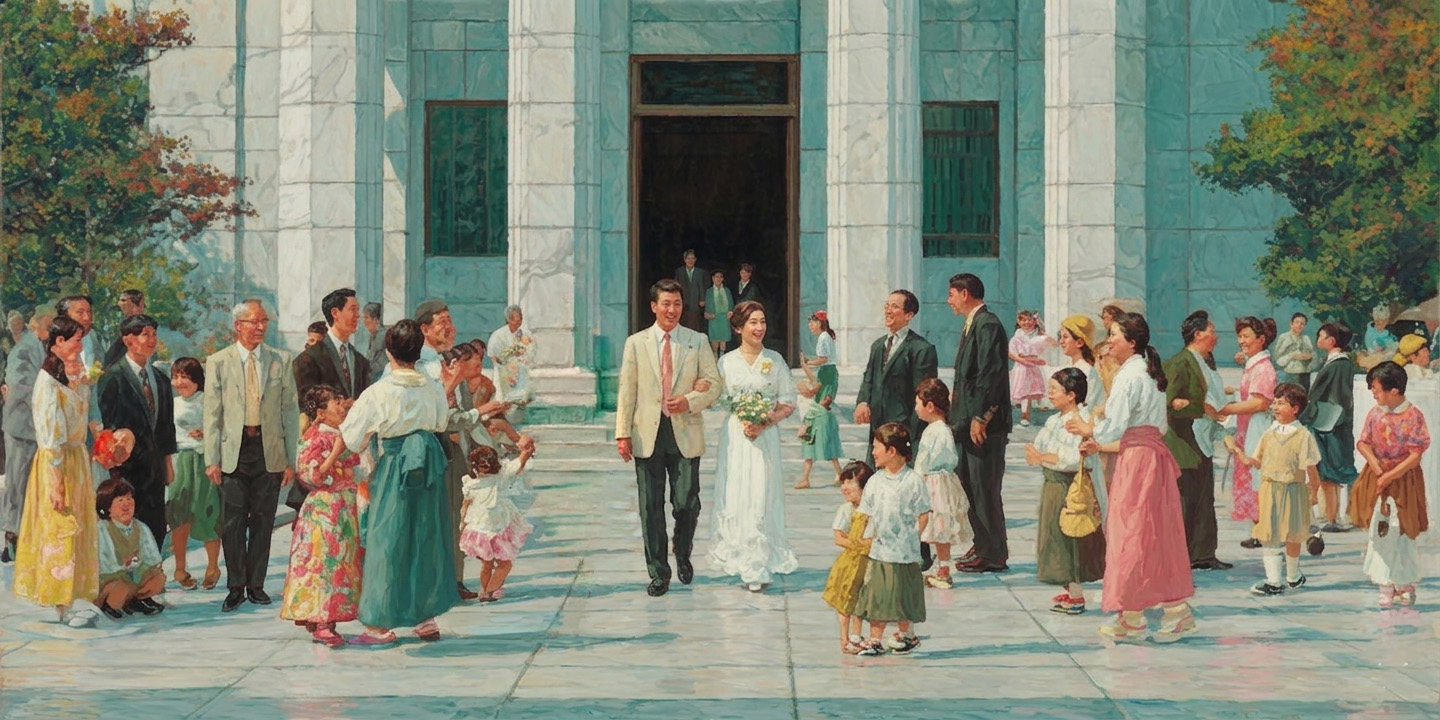
Family pedigree and former affiliation do not entitle ex-members to define the Church they no longer sustain.
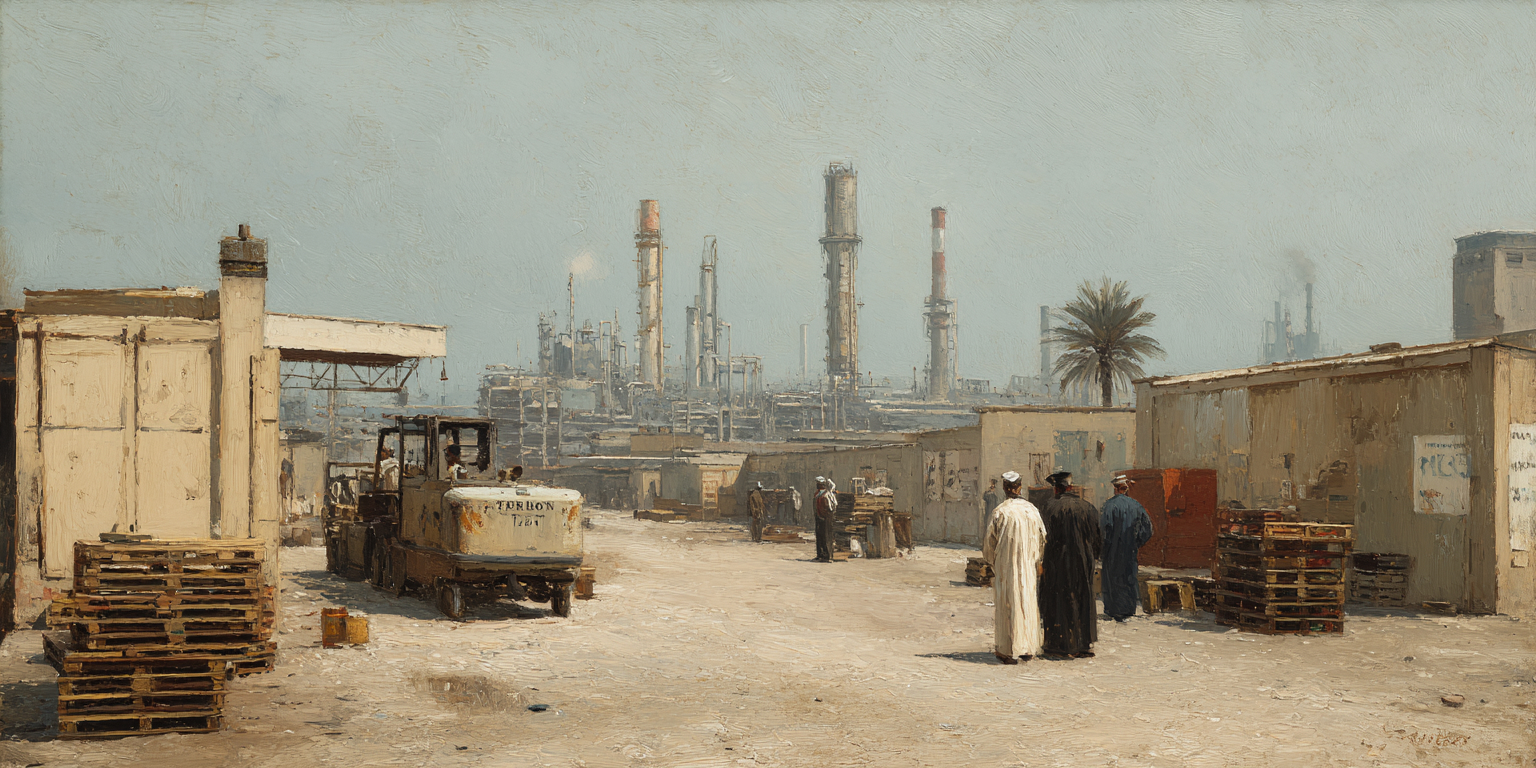
In Iran, what looks like incompetence may be a regime operating according to its deepest priorities.

The Supreme Court did not broadly approve conversion therapy; it protected client self-determination in therapy.
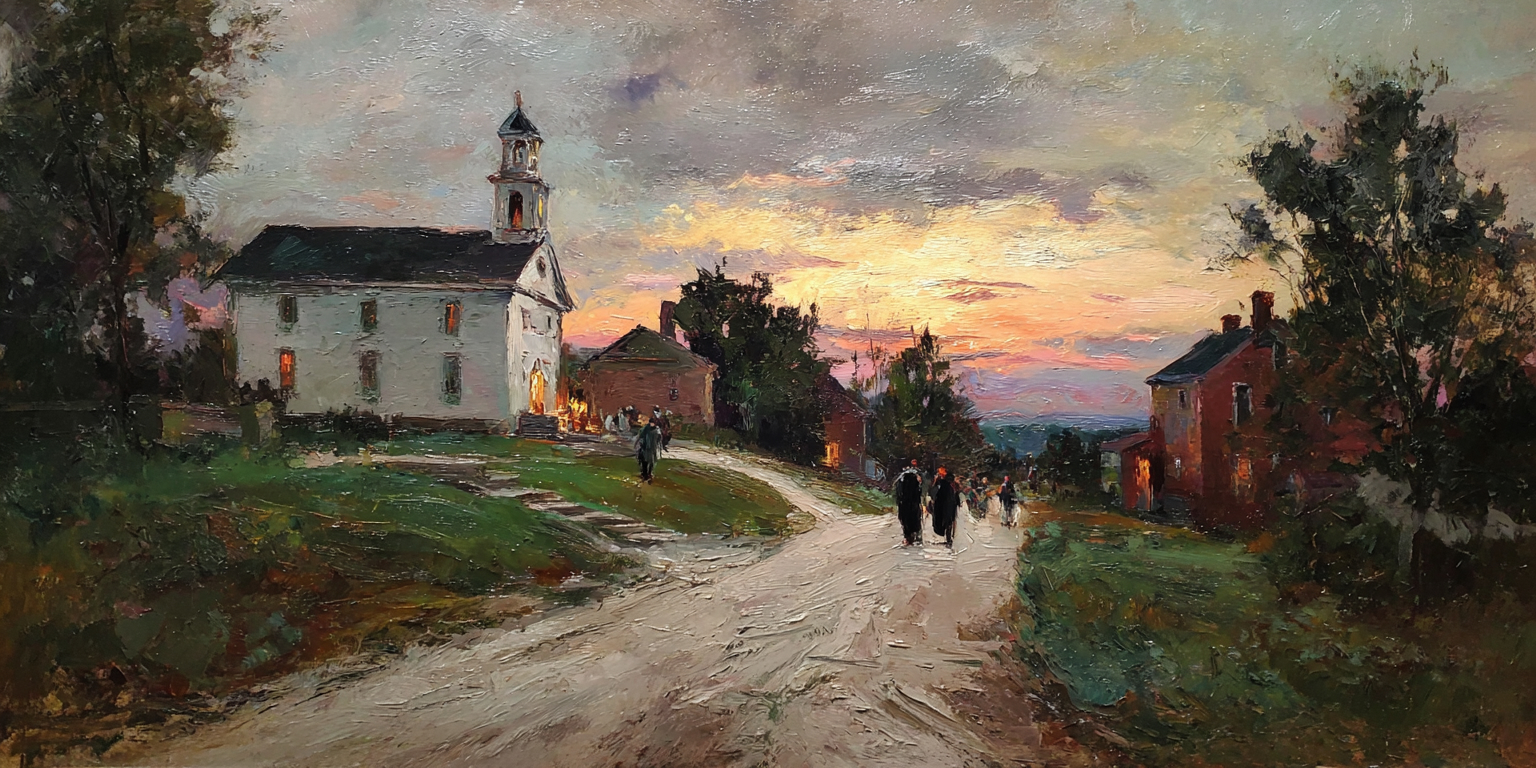
When society frays, the answer is not to force righteousness, but to embrace liberty that lets truth and virtue persuade.
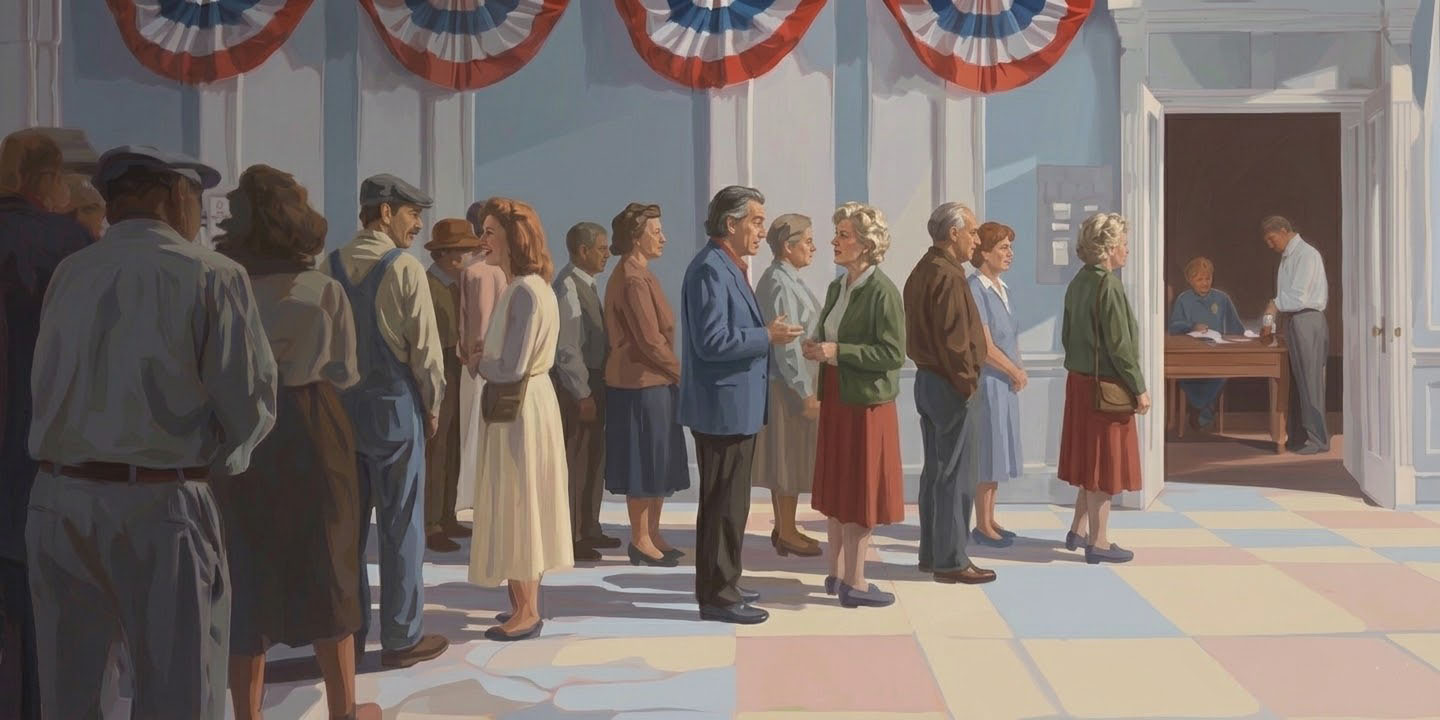
Many Americans reject party labels, yet absence from party processes leaves activists shaping ballots and platforms.
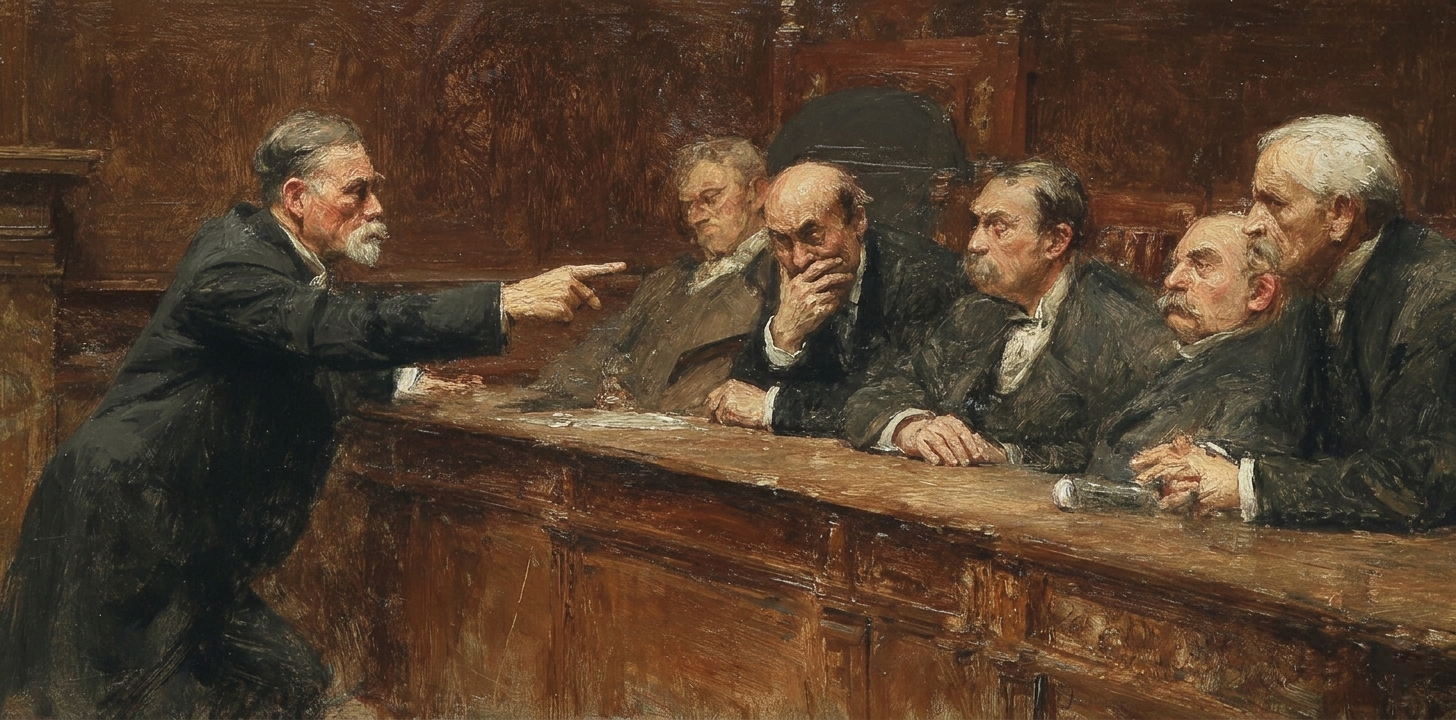
Political disagreement is inevitable; dehumanizing opponents is a choice that weakens us all.
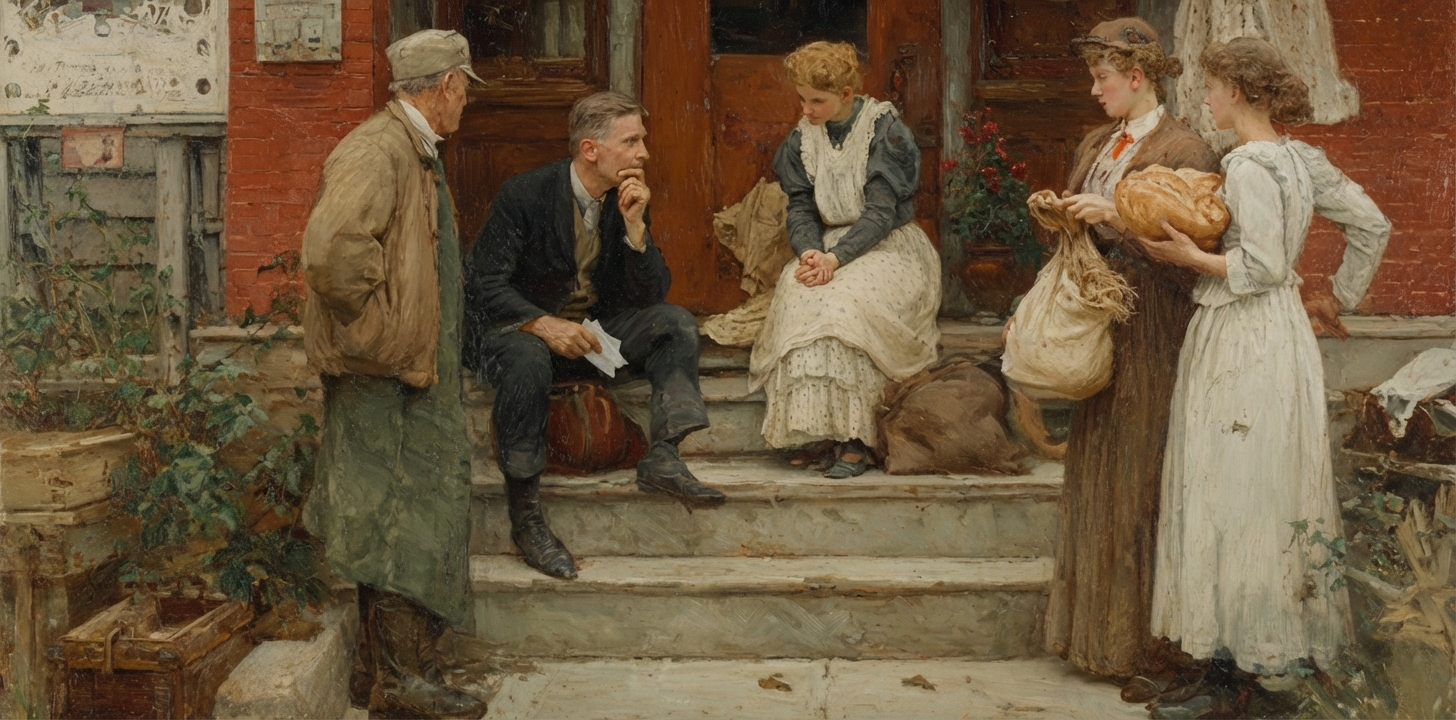
Policy fights keep turning neighbors into enemies. What does the politics of love demand from both sides of the political divide?
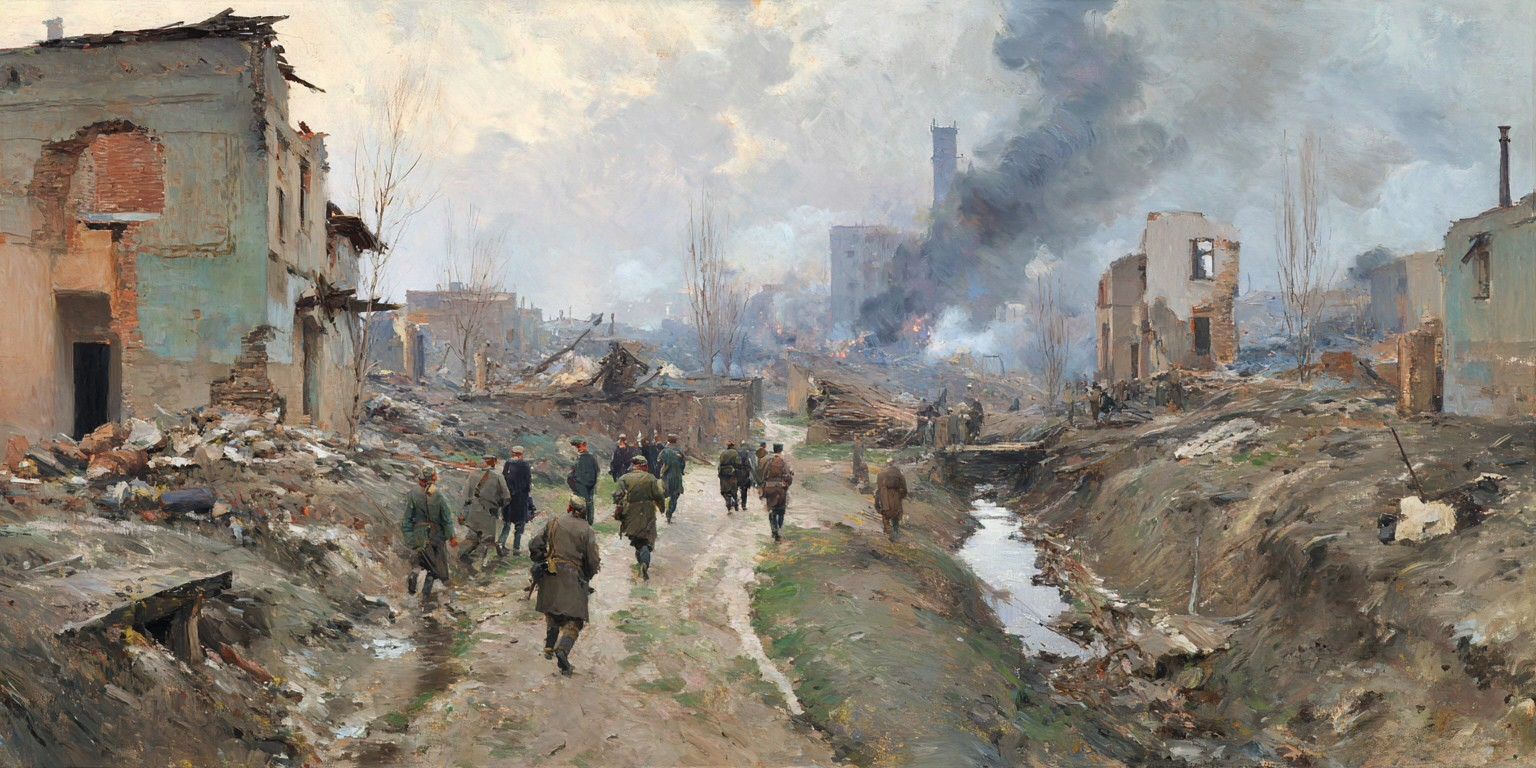
Most agree violence is sometimes just. But what principles can help determine that justification?
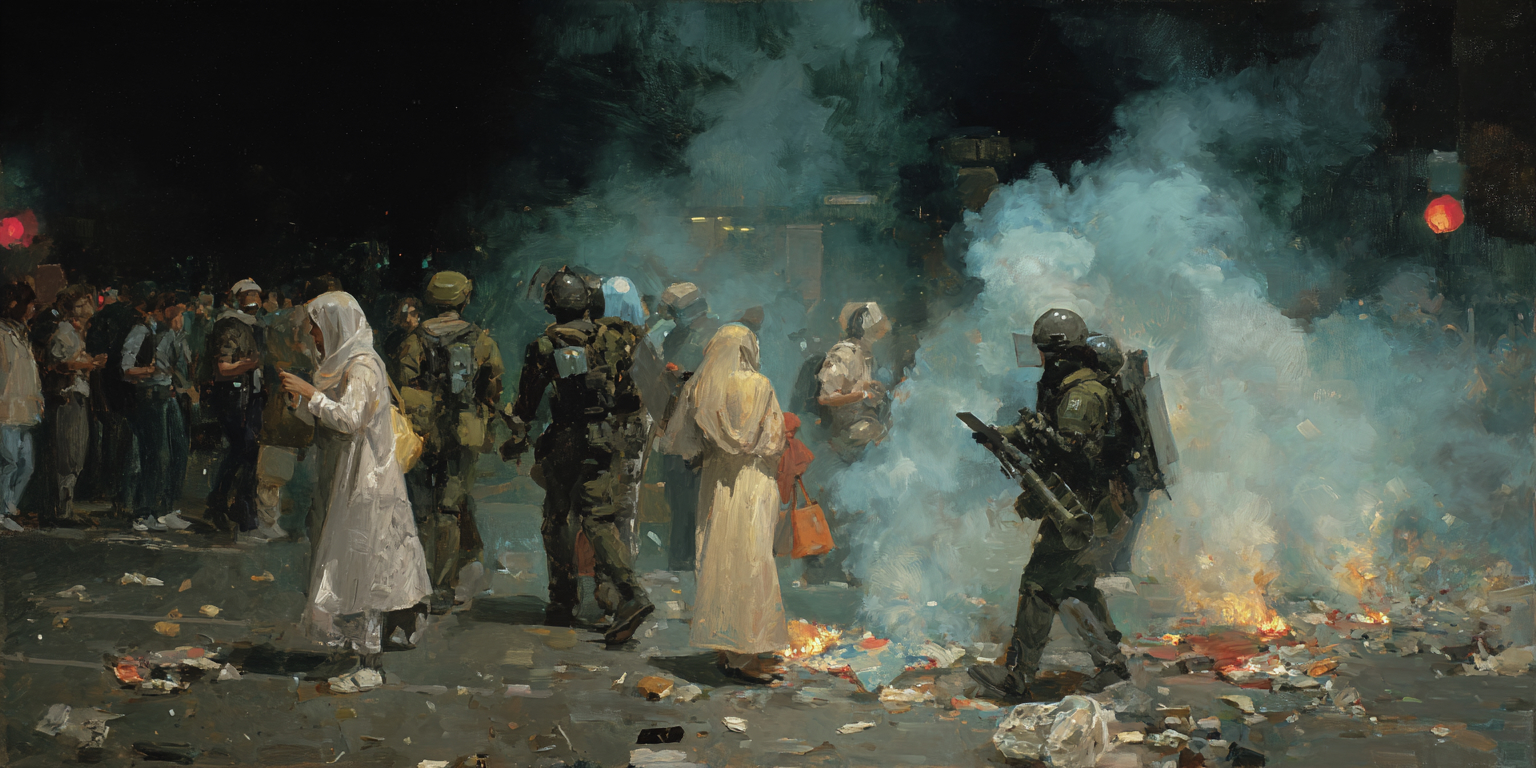
Many views on interventionism are shaped by failures in the Middle East. But is intervention the cause of systemic failure, or the consequence of it?
Does anti-elite media sharpen or shatter judgment? Extremist talking heads destabilize reality and easing moral inversion.