I used to think “spiritual” was the grown-man upgrade to “religious.”
Like—spiritual felt clean. No committees. No awkward handshakes. No side-eyes. No church drama. Just me, God, a little sunrise, maybe some music that makes your chest feel bigger than your problems. And if I’m being honest, that idea appealed to me for a reason: I learned early how to survive people, not trust them. I learned the value of a guarded heart. I could talk smooth, move careful, keep my circle tight. And when you’ve been burned enough times, anything that says “you don’t need anybody” starts sounding like freedom.
So yeah. Spirituality can seem better because it doesn’t require anyone but yourself.
It’s you and your thoughts. You and your intentions. You and your version of God—custom fit, no annoying humans included. Nothing messy. Nothing disappointing. Nothing to suggest anything is short of perfect. No one to hurt you. No one to do the unforgivable.
But let me say this plain: religion is people.
The difference between organized religion and spirituality is people.
We all try to reach for God together.
That’s what makes religion, religion—the existence of other human beings in the room, breathing, bringing their baggage, their wounds, their opinions, their insecurities, their goofy laugh, their bad timing, their power trips, their trauma responses, their whole unhealed history… and then we all try to reach for God together. That’s not a bug in the system. That’s the system.
Saying we don’t agree with organized religion, but believe in a higher power, feels safe because it can never disappoint us. It suggests that our standards are too good, too pure to associate with the disaster of other people trying to connect with God.
That part used to offend me, because I wanted my faith to feel pristine. I wanted God without the mess. I wanted the mountaintop without the climb. I wanted “the Spirit” without Sister So-and-So being petty, without Brother What’s-His-Name talking like he’s the CEO of righteousness, without somebody acting like their calling gives them the right to treat people like furniture. And I don’t want to undersell the problems of people. They aren’t just delightfully messy in a cute way you could still show on your Insta. This is pride, racism, abuse. Being around these people caused me real wounds.
I wanted a relationship with God that didn’t come with… humans and the pain they cause.
But spirituality without others—if we’re keeping it all the way real—can turn kind of pointless.
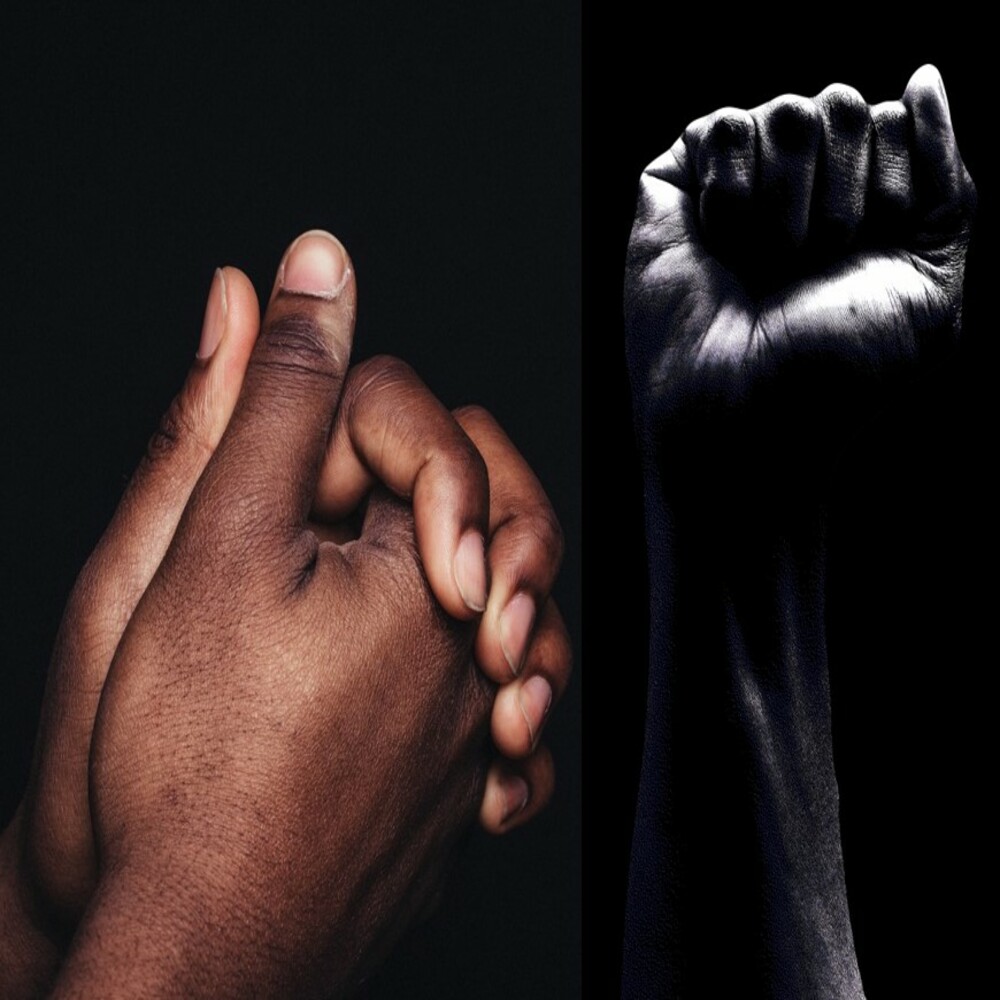
Not because your inner life doesn’t matter. It matters. Deeply. Your private prayers, your healing, your introspection, the quiet work nobody claps for—that’s sacred.
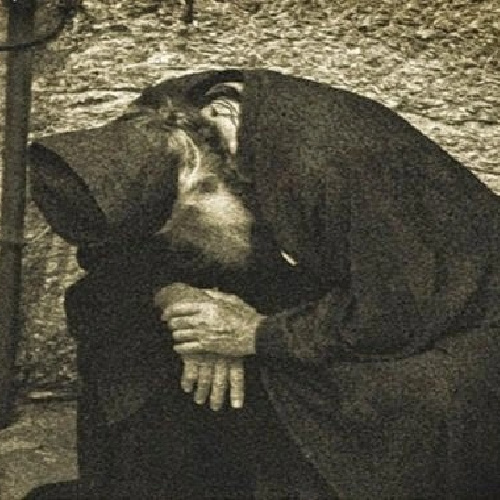
You can stay “holy” inside your own head forever.
But there’s a trap: when it’s only you, you can stay “holy” inside your own head forever. You can feel enlightened without ever being inconvenienced. You can feel loving without ever having to love somebody who’s hard to love. You can feel patient without anybody testing your patience. You can feel forgiving without anybody actually wronging you. It’s easy to be spiritually rich in a world where nobody is ever taxing you.
Who cares if something feels pristine and perfect in your own brain if it never becomes love in the real world?
Because God—at least the God I’m trying to know—doesn’t just show up in the perfect parts of me. He pulls up in the spaces between people. In the friction. In the gap between your intentions and somebody else’s misunderstanding. In the moment you want to clap back but you choose peace. In the moment you could hate somebody, but you don’t. In the moment you could walk away, but you stay and you try again.
God often appears in the spaces made between people’s imperfections.
That’s why that scripture hits so hard. It’s basically a spiritual gut-check: “Whoever claims to love God yet hates a brother or sister is a liar. For whoever does not love their brother and sister, whom they have seen, cannot love God, whom they have not seen.”
People quote that like it’s a description—like, “Oh, if you don’t love everybody perfectly, you must not love God.” And that’s not how I hear it anymore. I hear it as a challenge. A mirror. A direction.
Because it’s so easy to love abstractions.
I can love “humanity.” I can love “the world.” I can love “people” in general. I can love “community” as a concept. I can love “God” in a poetic way—big, cosmic, clean, untouchable.
But loving real, flawed people?
People who are rude. People who ignore you and judge you. People who switch up when they get a little authority. People who act holy but move sweaty. People who talk about grace and show none. People who are needy. People who are loud. People who are insecure and make you pay for it. People who remind you of the stuff you’re trying to outgrow.
That’s where the work is.
So what the verse is saying—at least how it lands in me—is this: you can’t really claim love for God while refusing love for God’s kids. Not because God needs you to be fake-nice, but because love has to become practical or it’s just poetry.
If your love never leaves your mouth or your journal and touches another person’s life, it’s not love yet. It’s rehearsal.
And that’s why I respect the bluntness of Mosiah 2:17. It doesn’t romanticize it. It doesn’t leave it vague. It just puts it on the ground where we actually live: “When ye are in the service of your fellow beings ye are only in the service of your God.”
That’s the whole thing. You want to love God? Love the people around you. It’s easy to love the thing you can’t see. But it’s not real, it’s not authentic, until you’re doing the work of loving the people you can.
And yes, it’s hard.
Not “hard” like a puzzle. Hard like weights. Hard like rehab. Hard like unlearning. Hard like swallowing your pride. Hard like choosing not to become the same kind of person who hurt you. Hard like doing kindness while your feelings are still catching up.
Because community will show you who you are.
Spirituality alone can let you curate yourself. Religion—with actual people—will expose you. It will bring out your impatience. Your need to be right. Your craving for recognition. Your tendency to withdraw. Your tendency to control. Your fear of being seen. Your old temper that’s “under control” until somebody disrespects you in a meeting. Your old mouth that’s “sanctified” until someone says something absolutely out of line.
I’m saying this as someone who’s cleaned up a lot of my worst tendencies, but I still know exactly where they live. I know what version of me shows up when I feel dismissed. I know what version of me shows up when somebody tries to son me. I know what version of me shows up when I’m tired, underappreciated, and surrounded by people acting like their imperfections don’t stink.
And here’s the thing: the goal of religion was never to provide me a perfect experience.
Religion is not a luxury spa for the soul.
It’s a workshop.
It’s a space where God takes a bunch of broken, brilliant, annoying, beautiful humans and says, “Okay. Now learn to be family.”
That’s why the vision of “Zion” matters so much. Zion isn’t just a vibe. It’s not just “good energy.” Zion is a community reality—people becoming one, not by pretending they’re perfect, but by practicing love until it’s real. It’s the long, stubborn project of building a place where God can dwell because the people are learning to dwell together.
And you can’t build Zion alone.
Even if you’re the most spiritually advanced person on your block, you can’t build a community by yourself. You can’t practice “one another” in a mirror. You can’t “bear burdens” when you refuse to be burdened with people. You can’t learn forgiveness without somebody needing it from you. You can’t become gentle without having to handle sharp edges—yours and theirs.
So yeah, I get why folks bounce from religion to spirituality. I get why they say, “It’s just me and God.” I get why you think you’re too good, too pure, too smart for “organized religion.” Because people are exhausting. Church hurt is real. Hypocrisy is loud. Control shows up wearing a tie. Judgment can hide behind scripture.
But I am here to say: don’t confuse the mess of people with the absence of God.
Sometimes, the mess is exactly where God is working.
Sometimes the whole point is that you learn to find Him there—inside the awkward conversations, the forgiveness you didn’t want to offer, the apology you didn’t want to make, the patience you didn’t think you had, the service you did quietly, the love you gave when you didn’t get love back.
Because anybody can love God when God stays an idea.
The question is: can you love God when God shows up as the person who annoys you? Or who disrespects the culture? Or who doesn’t know the norms? Or who wants you to stay in your place?
That’s the challenge. Not a condemnation—an invitation.
Religion—with actual people—will expose you.
And let me be clear: the point isn’t that all that wrong being done to you is okay. It’s not. It’s that working together to grow is the journey God asks us to go on. Accountability and correction and reminders can be holy just like patience and forgiveness. You can love somebody and still say, “Nah, you can’t talk to me like that.” Love isn’t weakness. Love is strength, but love is humility too.
And love does require contact with reality.
It requires other faces, other stories, other tempers, other needs.
It requires a “we.”
That’s what religion gives you—when it’s doing what it’s supposed to do. Not perfection. Practice. Not a flawless room. A refining fire.
And I’m starting to believe this: God doesn’t just save individuals. He builds a people.
So when I’m tempted to choose the clean version of faith—the version where it’s just me, my thoughts, my private peace—I try to remember: that’s not the whole assignment.
The whole assignment is to pursue God in the middle of the trouble.
In the middle of the awkward small talk.
In the middle of the misunderstood moments.
In the middle of the personalities.
In the middle of the inconvenient needs.
In the middle of my own ego getting exposed.
Because that’s where love becomes more than a concept.
That’s where spirituality becomes flesh and bone.
That’s where God—often quiet, often humble—shows up in the space between our imperfections and teaches us to call it holy.