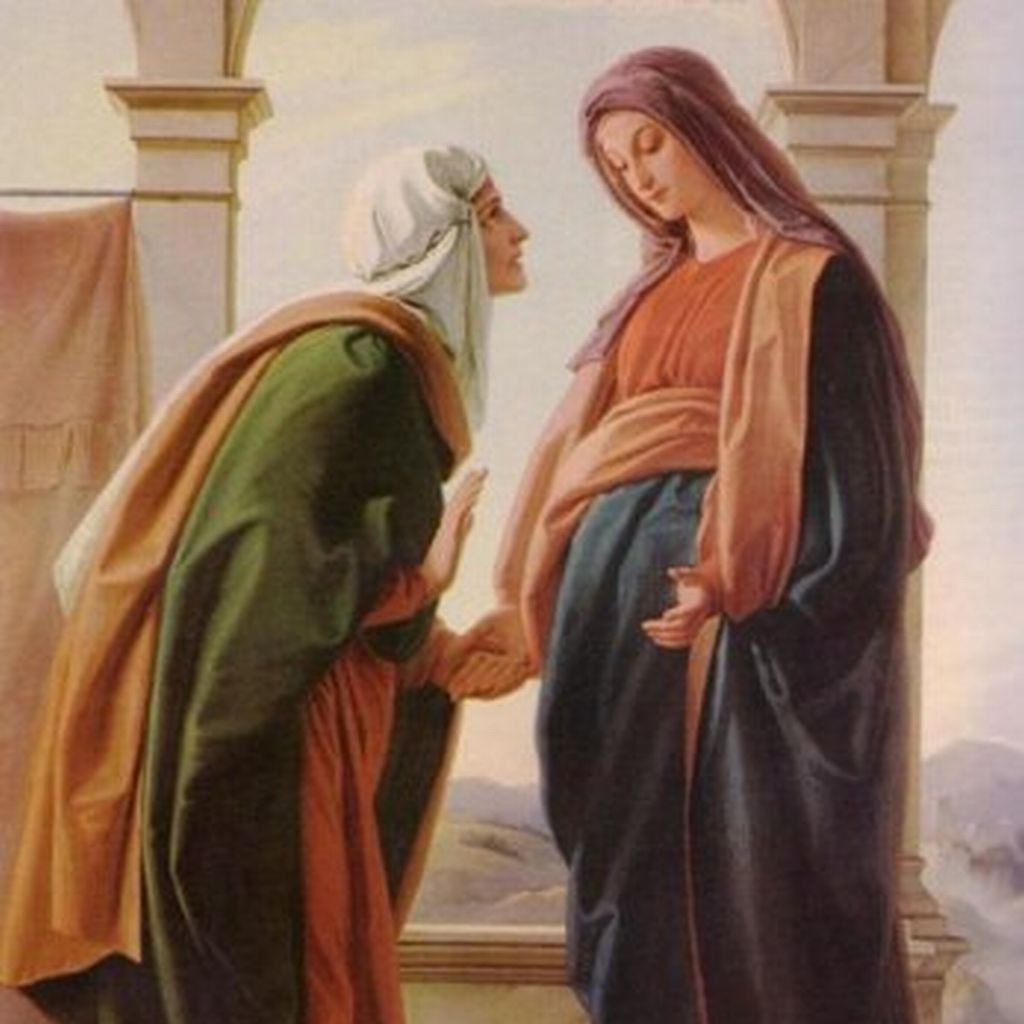
A reflection of royal attire symbolizes the struggle between narcissism and faith in understanding self-worth.

Book Club: Are We Special?

This book explores the concept of feeling special as both a divine truth and a false sense of superiority over others.

Why did I write this book?

Like many psychologists, I have been increasingly concerned with the rising tide of narcissism. I am also aware of God’s use of terms like “chosen” and “special” in scriptures to designate individuals and groups. As I am always interested in the interface of psychology and faith, I wrote this book to examine the confluence of narcissism and being chosen and to help members of the Church of Jesus Christ of Latter-day Saints, and other Chrisitan faiths, understand the truth and the lie at play in being God’s “chosen people.” 

The Truth

The truth is that we are special because we are all children of a Heavenly Father who loves us and with whom we enjoyed a special, personal relationship prior to coming to earth. Having left his presence we feel a void or a kind of homesickness that reminds us that we are more than merely mortal beings and inclines us toward our Father and his love.

The Lie

The lie is that we are special and others are not. We are uniquely set above others for greatness in this life and/or the next. The void we feel signifies our personal destiny for glory and inclines us toward the fame, prestige, wealth, and superiority over others we deserve. 

The Quadrants

Each of us is enticed by the truth and by the lie throughout our lives. I have identified  quadrants in my book to represent the ways in which we can be enticed. Whenever we accept both the truth and the lie we behave like ‘the Pharisee’ who is lifted up in self-righteous pride. At those times when we disregard the truth and embrace the lie, we become as ‘the Egoist’ who focuses on self-gratification, always wanting more. Hopelessness and alienation mark those moments when we, like ‘the Nihilist,’ deny the truth and the lie and feel worthless. However, there are also times when we are filled with the love of God and, like ‘the Disciple,’ we accept the truth and deny the lie. As we learn to practice discipleship more regularly the feeling of the void diminishes, we are filled with charity, and we reach out to bless the lives of all those around us.

Fluidity

The concept of fluid quadrants is unlike traditional personality texts that tend to stereotype and classify people into a particular type. The quadrants apply to everyone because we all respond to the truth and the lie in each of these four ways at different times and with some regularity. 

Discipline

The book provides a very practical and achievable method of gaining discipline over the fluidity with which we move through the quadrants. Regular application of the psychological practices of hindsight evaluation, mindfulness, letting go, and vigilance, combined with the resources God has provided us to fill the void such as the influence of the Holy Spirit and participation in the atonement through repentance and forgiveness, will steadily move the reader toward an increased amount of time spent in the quadrant of discipleship and a decreased amount of time spent in the other three quadrants.

Questions for the Reader to consider:

1. Have you ever had the feeling that you might be special? Do you feel like you might have a special mission or destiny? Do you read books like Harry Potter and wonder if you might be chosen for greatness? If so, how have you typically interpreted these feelings?

2. Have you ever felt a kind of void or lack inside of you, something unfulfilled, or a longing for something more than a mundane mortal existence? What have you understood that to mean? How have you tried to fill that void in the past?

3. If you are a child of a divine king, a prince or princess endowed with remarkable gifts, talents, and qualities, how does or should that feel?

4. Have you ever felt more special or superior to another person or other people? What did that feeling do for you? What, if anything, did it satisfy in you or say about you?

5. Think about times you have believed both the truth and the lie. What did you have in common with the Pharisees and Scribes of Christ’s time while you dwelled in this quadrant? Did this offer any fulfillment or relief of any sense of a void or a lack in your life? Did it last?

6. Think about times when you have denied the truth and accepted the lie. What did you have in common with the egoist while you dwelled in this quadrant. Did the pursuit of selfish pride and pleasure give you any relief or fulfillment of a void or a lack in your life? Did it last?

7. Think about times you have denied both the truth and the lie. What did you have in common with the nihilist while you dwelled in this quadrant? Did the hopelessness and despair of self-deprecation offer any fulfillment or relief of any sense of a void or a lack in your life? Did it last?

8. Think about times you have believed the truth and denied the lie. What did you have in common with the disciples of Christ time while you dwelled in this quadrant? Did this offer any fulfillment or relief of any sense of a void or a lack in your life? Did it last?

9. What small and incremental steps can you take today to increase how often you dwell in the disciple quadrant and how long you stay there? What barriers are there to entering this quadrant and how can they be overcome?

10. How can you more fully embrace and apply the practice of losing yourself in the will of Christ in your life?


About the author

Jeffrey Reber

Jeffrey S. Reber, Ph.D., LPC, is a professor of psychology at the University of West Georgia, a fellow of the American Psychological Association, a licensed professional counselor, and the founder of Relational Counseling and Consulting Services. He is a leader in the fields of relational psychology and theistic psychology, which treats our relationship with God as fundamental to our being, our relationships with others, and our morality. Dr. Reber is the author of Are We Special? The Truth and the Lie about God’s Chosen People (Deseret Book) and The Paradox of Perfection: How Embracing our Imperfection Perfects Us (Crosslink), as well as more than 40 articles and book chapters that are informed by his uniquely theistic relational perspective.
On Key

You Might Also Like

The Ordinary Saint’s Guide to Under the Banner of Heaven: Episode 4, “Church and State”

Summary — The episode begins with the detectives checking in on Bishop Low’s home, which they find ransacked and deserted. Pyre finds a letter written by Ron’s wife to the Prophet expressing concern about her husband’s refusal to pay taxes. The detective contacts the Church about the letter and is told the letter was handed down to one of the bishop’s counselors, LeConte Bascom, who works at the bank. Brother Bascom says he had to turn Ron down for a loan because his brother’s refusal to pay taxes made him a liability, though it’s heavily implied that the real reason is that his wife’s letter was seen as an embarrassment to the Church. In flashbacks, we see Dan marching in a Pioneer Day parade, shouting about the government’s illegal taxes, as well as smoking and kissing a woman who isn’t his wife. Dan’s father says he’s ashamed of his immoral behavior and anti-tax nonsense and advises him to study the scriptures to set himself back on the right path. This unfortunately drives Dan into researching more obscure history of the Church, including information on polygamy.  He makes a business trip down to Colorado City to visit the breakaway polygamist sect there and manages to get the name of a pro-polygamy pamphlet called “The Peace Maker.” He reads this pamphlet and brings up the idea to his wife Matilda, telling her she’s limiting his spiritual power if she doesn’t let him marry a second wife.  During this conversation, Dan is pulled over for speeding and refuses to cooperate with the officer, leading them on a police chase that ends with his arrest. At the jail, Dan’s brothers try to convince him to stop his resistance to the government. Ron feels it’s his responsibility to show Dan the error of his ways, but instead, Dan runs circles around him, leaving him speechless and admitting that he’s going to lose his business and home. Dan somehow turns this fact into evidence that his views are correct and ends up winning over Ron to his side. In the present, Detective Pyre is being leaned on by the Laffertys’ stake president to release them into his custody but refuses. The detectives have identified the car the killers were probably using and plan to hold a press conference to ask for tips when the police chief returns from vacation and demands that all mentions of fundamentalism Mormonism be scrubbed from the press briefing. (It’s implied he’s being leaned on by the Church.) Pyre tries to toe the line at the conference but eventually caves to a persistent reporter and admits that he thinks that the murders may have something to do with fundamentalist beliefs. The next day at church, the ward is shunning the Pyres, and a specific couple is assigned to keep an eye on their faith. Meanwhile, a police officer has located Bishop Low fly fishing in the mountains and safe. Church History — During Dan’s explanation of polygamy, we get flashbacks to the infamous scene where Emma finds out about the doctrine of polygamy for the first time and throws the revelation in the fire. Though church members will be familiar with this story, the tone is portrayed very differently than we are used to. Emma is shown as being absolutely skeptical of Joseph’s translation of the Book of Mormon and other prophetic acts, even though she firmly testified of the truth of these things even after her break with the Church after Joseph was murdered. Joseph is portrayed as proclaiming the doctrine of polygamy only for his own physical gratification, which is a common anti-Mormon trope with little evidence behind it. While it is true that one of Joseph’s wives was only 14, the facts behind the situation are more complex than portrayed in the show. The pamphlet “The Peace Maker” is portrayed by Dan Lafferty as an “essential LDS tract” written by Joseph Smith, and no one in the show ever corrects this perception. In fact, the tract was not written by Joseph Smith, and he repudiated it during his lifetime. This episode presents a slanted view of church history, giving only one side of the conversation and showing the modern church as trying to hush it up rather than having its own interpretation of events. Shibboleths — Pyre claims that writing a letter to the prophet is like writing to “Heavenly Father himself,” which is absolutely wrong. While members of the Church do revere the prophet and listen to his teachings, he is not God, and this equivalency is not one Saints would make (though outsiders think we do). The idea that doing business with fundamentalists is like “doing business with the mafia” is totally alien to me. They are regarded as somewhat of an oddity in Utah, but not dangerous like organized crime. One unusual phrase occurs when the stake president claims that the Laffertys need to be released into his custody for “healing prayer.” I honestly have no idea what this phrase refers to and have never heard it in an LDS context. And the formal type of shunning portrayed happening to the Pyres is not something we do. Though obviously, wards vary in their culture, there is no formal instruction not to talk to those who have questions. Rather, we are encouraged to keep being friends with those who are struggling with faith and support them however we can. Changing History — It is interesting to note that in the actual chain of events, it was Sister Low, not Bishop Low, who was on the Lafferty hit list. Sister Low was a Relief Society President who supported Dan’s wife as she sought a divorce. Why does the show change this? Perhaps the idea that the Church has female leaders doesn’t fit well with the show’s depiction of the oppression of women in the LDS church. Brenda Lafferty’s sister has also expressed her disappointment with the way the show is misconstruing her sister’s murder in pursuit of an

Subscribe To Our Weekly Newsletter

Stay up to date on the intersection of faith in the public square.

You have Successfully Subscribed!

Pin It on Pinterest

Share This