Black Mirror: Hated in the Nation #deathtosocialmedia

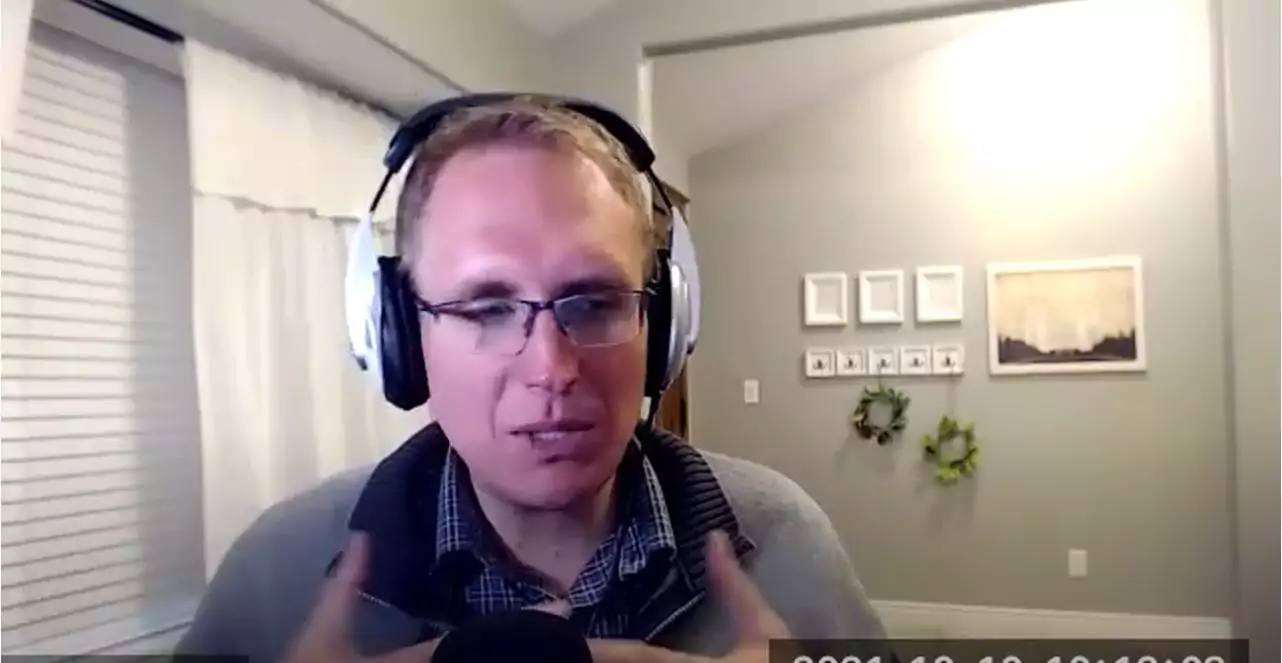
I sit down with Carl Cranney and Liz Busby from Pop Culture on the Apricot Tree in this (ambitious!) crossover episode to discuss an episode of Netflix's dystopian technology show Black Mirror. We had a blast talking through the Black Mirror episode "Hated in the Nation." The discussion focuses on social media, and how it encourages bad behavior. We also talk about how we can resist the pull of cruelty and the "epistemology of hell" that drives the attention economy.

A person overwhelmed by aggressive social media, reflecting on the theme of being hated in the nation | Public Square Magazine | Hated in Nation Black Mirror Common Sense MediaI sit down with Carl Cranney and Liz Busby from Pop Culture on the Apricot Tree in this (ambitious!) crossover episode to discuss an episode of Netflix’s dystopian technology show Black Mirror. We had a blast talking through the Black Mirror episode “Hated in the Nation.” The discussion focuses on social media, and how it encourages bad behavior. We also talk about how we can resist the pull of cruelty and the “epistemology of hell” that drives the attention economy.

About the author

Benjamin Pacini

Benjamin Pacini is a husband, father of four, and faculty at BYU-Idaho in Elementary Education. He served as a teacher and administrator in Baltimore City and Washington D.C. for ten years. He is currently pursuing an EdD from BYU.
On Key

You Might Also Like

Will Latter-day Saints find Themselves on the Left on Abortion?

This week Fr. Thomas Reese called on US Catholic bishops to start supporting the Democratic party if they do end up victorious on the issue of abortion. Reese argues that while ending abortion is an important priority for these bishops, once that goal has been passed they may find themselves more generally aligned with Democrats. Reese’s article got me thinking about how a major change in abortion law may affect Latter-day Saints’ political leanings. This will likely depend in part on how abortion law is settled. Whether a national legislative compromise can be reached or it does go to the states. But if the Supreme Court rules in Dobbs that there is no constitutional right to an abortion and the matter returns to the states, we may see Latter-day Saints shift significantly. There are currently ten states that, in this scenario, would outlaw abortion without exceptions for rape or incest. While the Church’s position emphasizes opposition to elective abortion for convenience, it does allow exceptions for pregnancies that result from rape or incest. To be clear, the Church itself does not favor or oppose specific legislative proposals. And yet if the large question on abortion shifts from whether or not elective abortion should be legal to whether or not there should be exceptions to allow abortion for rape or incest, Latter-day Saints may find their sympathies on the opposite side of the abortion debate. Just as not all Latter-day Saints today advocate that the law match the Church’s position today, some Latter-day Saints might argue that while the Church’s position is for the whole world, not every country needs to allow those exceptions. So I certainly don’t mean to suggest that every Latter-day Saint must shift, but it’s certainly worth noting as a potential future trend.    

The Unique Mission of BYU

Ben Paccini speaks about Elder Holland’s address to BYU faculty and staff and the various responses to it. Listen wherever you get your podcasts.

Gary Wilson Portrait | There’s One More Atheist in Heaven | Public Square Magazine | Gary Wilson Author | Gary Wilson Death | Gary Wilson Cause of Death

There’s One More Atheist in Heaven

Gary Wilson provided research clarity to the ill effects of pornography on the brain, for this he was harassed and hounded in life. His death gives us an opportunity to praise his work.

Subscribe To Our Weekly Newsletter

Stay up to date on the intersection of faith in the public square.

You have Successfully Subscribed!

Pin It on Pinterest

Share This