Dialogue
Tapped Out: Criticism an Unsustainable Fountain for Faith
The fact that accusation clouds religious epistemology is a lesson we can all learn from a debacle on a popular YouTube channel.

The fact that accusation clouds religious epistemology is a lesson we can all learn from a debacle on a popular YouTube channel.
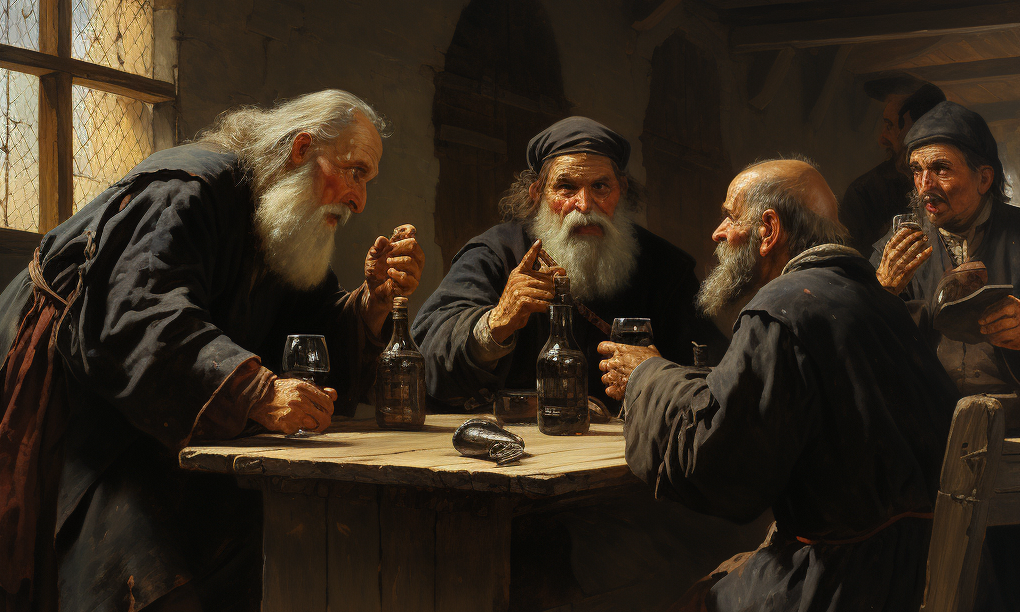
Sit Down With Sky & Amanda: “Please Don’t Be My Ally – Allies vs. Advocates for Christ” In this compelling episode, our hosts delve into the multifaceted challenges surrounding LGBTQ+ issues within religious communities. The spotlight is on the limitations of moral relativism and the tendency for church members to adopt this approach. They explore vital questions, such as how church members should ideally handle LGBTQ+ issues and whether there’s an alternative to the term “ally”. Moreover, the episode dissects why so many individuals lean toward a relativistic approach to morality in these contexts and suggests ways to combat it. Consider alongside the article “The Illusion of Neutrality”
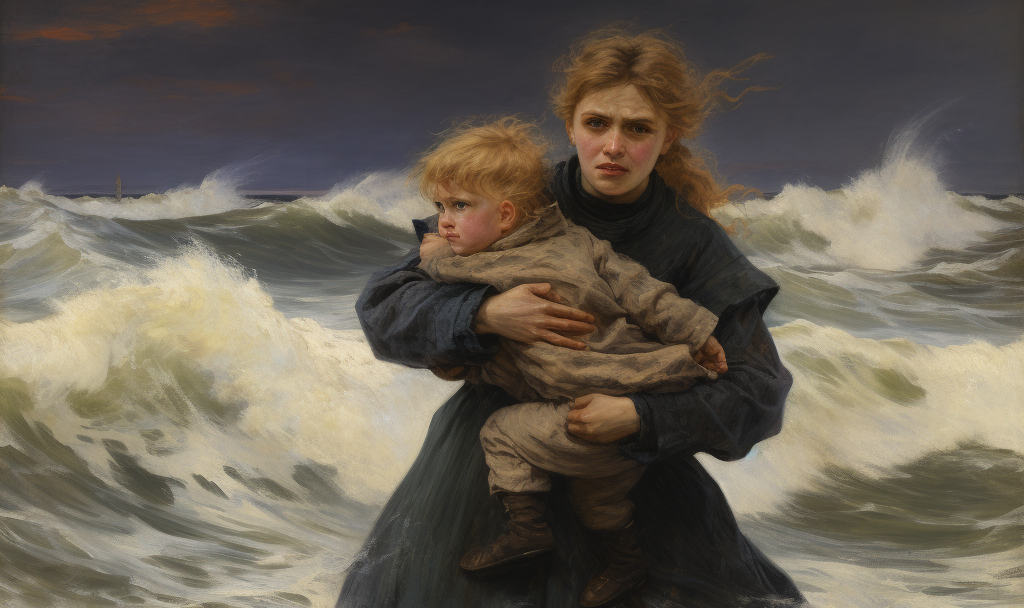
Is political neutrality sustainable? For religious bodies, it may be pragmatic, given current defeats in the culture war, but must defend against the risk of relativism.
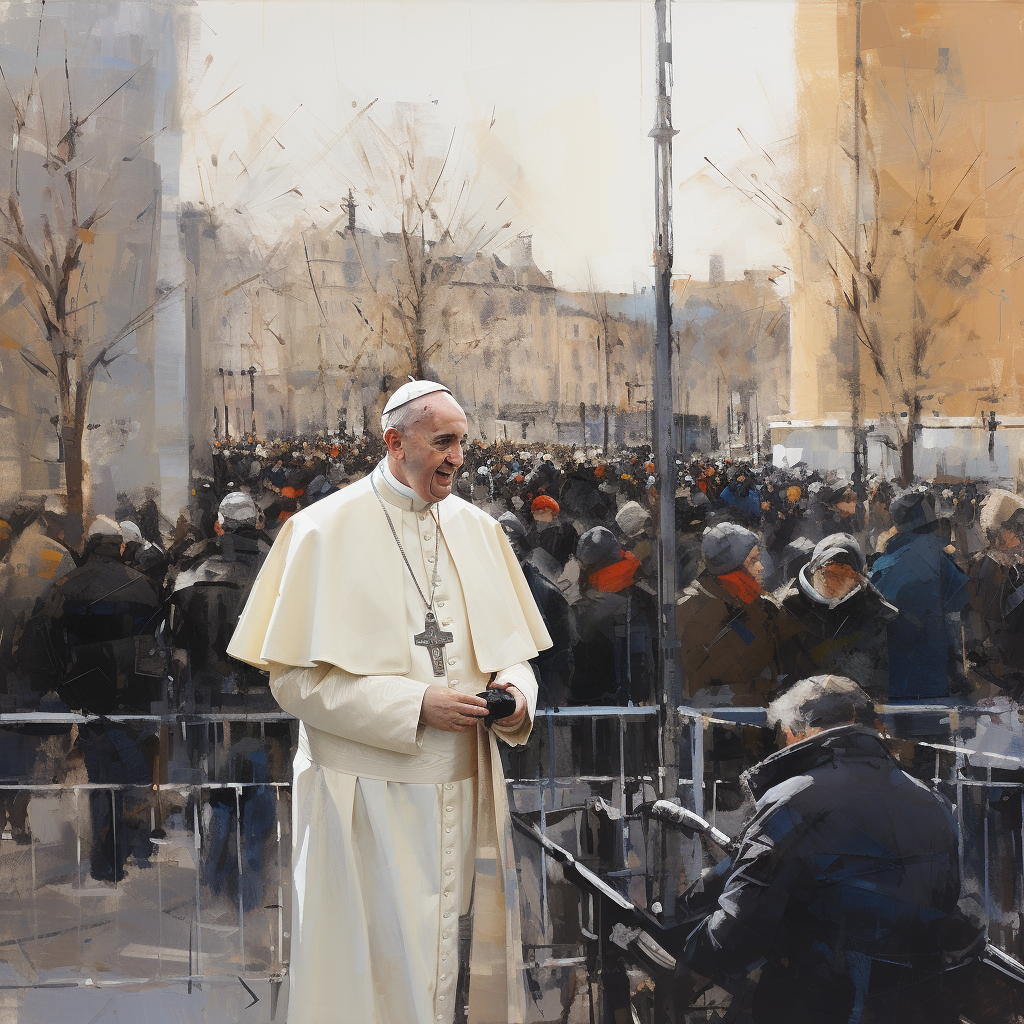
Do Pope Francis’ reforms imperil Catholic teaching or update its delivery? This examination suggests various interpretations, underscoring tensions between flexibility and tradition that a synod may highlight but only a pontiff can resolve.

Other observers may be perplexed at all the Catholic clamor over a convening taking place this week. Let me provide some context from a Catholic lay perspective.

As society embraced same-sex marriage, many believed it wouldn’t impact traditional views. However, this shift wasn’t neutral, leading to the sidelining of traditional beliefs.
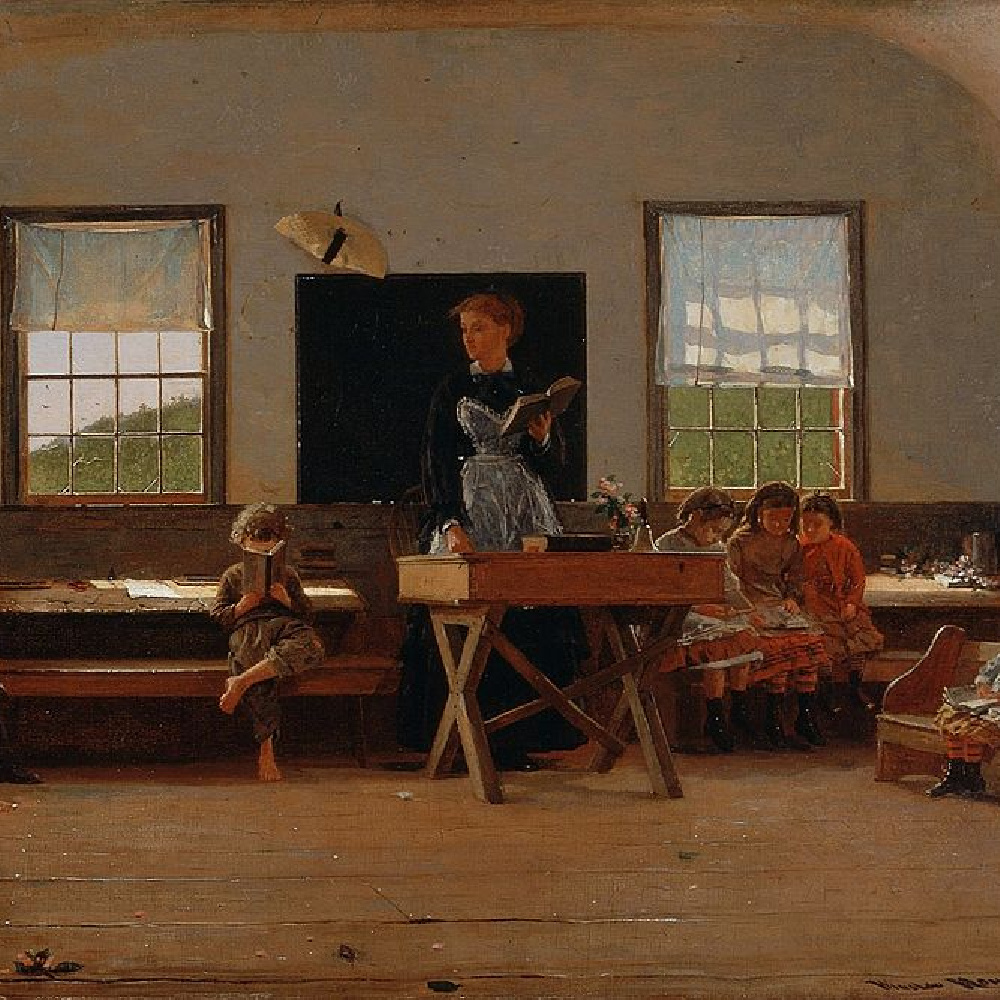
Why is a diverse group of religious parents suing a Maryland School District? They’re teaching a new religion in the classroom.

Does 303 Creative v. Elenis permit discrimination? The Supreme Court’s ruling navigates a complex intersection of free speech and Public Accommodation Laws, ultimately shielding expressive activities while leaving open important questions of anti-discrimination law for we the people to debate.
New legislation was revealed in California regarding religious clothing, headwear and grooming in the state’s jails and prisons. Research has shown that those inmates who were allowed to freely exercise their religion and dress were less likely to be involved in violent actions. They are also less likely to return to prison.
The third annual IRF Summit starts tomorrow and Chris Seiple on RNS suggested that we consider just how the United States advances religious freedom abroad. Religious freedom globally is getting worse. Until we can get past the barriers dividing groups we won’t be able to move forward and progress. At least not to the level we should.

Some have stepped away from Christian fellowship after witnessing examples of hypocrisy within faith communities across the country during pandemic and political fights. How can followers of Jesus do better in the future?

The Supreme Court’s decision did not establish religion or violate the religious freedom rights of pro-choice Americans. Instead, it created space in the public square for the pro-life convictions of people of faith.