Genocide in Ukraine + Today’s Digest

Our daily rundown of the articles from around the web that we feel our readers would enjoy and appreciate. We hope to highlight the best of what’s around.

Public Square Bulletin recommends:

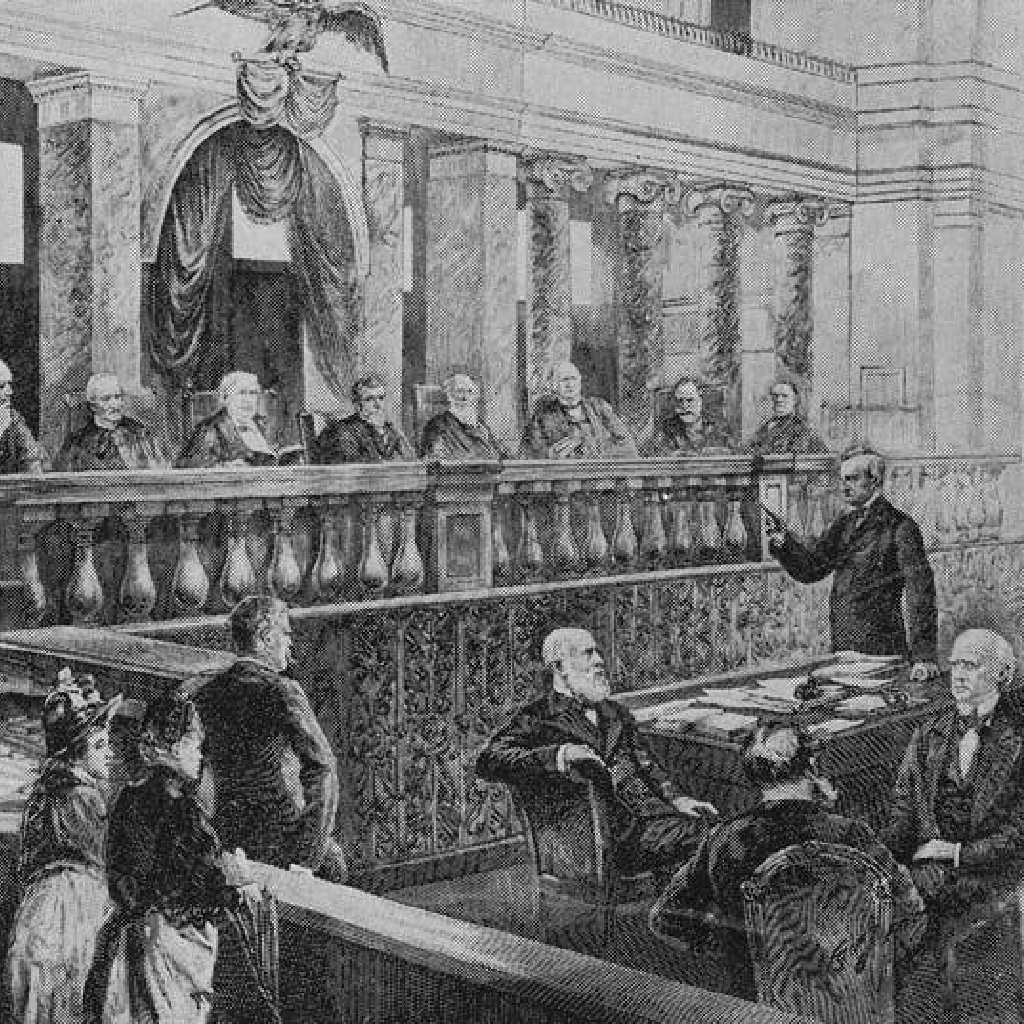
Is Putin Committing Genocide in Ukraine?

Alexander J. Motyl—Tablet

While this article starts with rather frank and graphic depictions of the war in Ukraine, it makes a strong argument that the war is not merely an exercise in taking territory, but is ultimately an attack on the Ukrainian people.

Friendship > Politics

Maya Rackoff—Common Sense

Has a shift in politics over the last three years hurt the relationships most important to us? Maya Rackoff talks about her experience with her friend as they navigated different opinions, and then bonded over both being on the wrong side of campus scandals.

5 Ways to Stop Gossip in the Church

Greg Gordon—Anglican Compass

The problem of gossip in church spans denominations. This insightful piece from the Anglican tradition includes suggestions such as “Fast from gossiping” and forgiveness.

The Key to a Good Parent-Child Relationship? Low Expectations.

Arthur C. Brooks—The Atlantic

Citing research about the importance of adult child-parent relationships, Arthur Brooks explores what makes these relationships most successful for both parties.

Meet Elon Musk’s right-hand man, a Mormon ex-Morgan Stanley banker who is the polar opposite of the impulsive billionaire

Hayley Cuccinelo—Business Insider

Business Insider profiles one of the most important people in the world of business, who happens to be a Latter-day Saint.


On Key

You Might Also Like

When Did We Stop Trusting the Media? A Review of “September 5”

When did we begin to lose trust in the news media? There are plenty of theories. Some suggest March 6, 1981, Walter Cronkite’s last broadcast. Others suggest it was the coverage of President Bill Clinton’s perjury and impeachment. Others suggest it was the advent of 24-hour news stations. The newest film from Paramount Pictures suggests another option in its title, “September 5.” September 5, 1972, is the day that the Black Sabbath militant group kidnapped Israeli Olympic athletes. In total, eleven Israelis were killed. But according to the journalists at the center of the movie, none of that was nearly as important as making sure the “ABC” logo was on the TV screen while the coverage went on. A brief epilogue about how the incident turned out ends with these eerie words, “900 million people watched.”  “September 5” is interesting because, in a movie presumably about the attacks, we see none of it ourselves except through camera lenses and TV screens. It’s not a movie about the attacks at all; it’s a movie about watching the attacks. The film opens as Geoff takes over the control room for ABC Sports. He’s running the night shift, when word comes in about the attacks.  The ABC studios are yards from where the attacks are happening. So they rush Peter Jennings into the Olympic village, and put their own studio camera on top of the building so they can keep a camera on the room where the hostages are being held at all times. Geoff wakes up his bosses, Marvin and Roone, who often debate the relative merits of their decisions, such as whether to turn the story over to ABC News rather than the sports division or whether or not to call the attackers “terrorists.” These compelling arguments make for thoughtful viewing. Ben Chaplin, who plays Roone, an American Jew, does particularly good acting work as he tries to find a nugget of morality in what they are doing.  But every argument ends with the decision being made that will best help ratings and ABC. No matter how many times they argue about good practices, such as waiting for a second confirmation that the hostages were all safe before reporting, the better angels of our trio of decision-makers always lose.  By the way, the hostages weren’t safe, ABC did get the story wrong because they were relying on German state news, and Germany was trying to look safe and less militaristic in their first major international attention since the end of WWII. But for a moment, when the station thought the hostages were safe, their only concern was getting them in the studio for interviews.  Marvin Bader tries to use the language of “the story” as though his audience deserved to have “the story” in real-time. And no matter what decision they made it was in pursuit of capturing the story. But this justification rang shallow as the movie moved on. When the German police burst in to get them to stop telecasting their rescue attempts live because the militants were watching, they stopped to get them to put their guns down, but turned the feed back on nearly as soon as they had left. All of this makes this an engaging movie that is worth watching. When journalists are the main characters, we expect them to be the good guys. “All the President’s Men,” “Spotlight,” “The Post.” Even the film “Shattered Glass” about a dishonest journalist, spends more time highlighting the good journalists who caught him. “September 5” doesn’t offer the media such a convenient way out. By making its characters clear-headed and conflicted, they are more than simple villains. They are exactly what the pressure of studio news would naturally produce. There are real powerful forces driving the decisions of the news industry that are at odds with what is right or good, and all too often, there’s nothing we can do about it. If we are curious about how the spiral of trust began, this film serves as a worthwhile primer while being entertaining as all get out. The film is rated R. It is thematically tough, dealing with questions like whether to broadcast an execution live, but none of the violence of the incident is actually seen the movie. In terms of a ratings feel, I might compare it to the film “Gravity” while using the word “f***” three more times than is allowed in a PG-13 film. I wouldn’t recommend this for young children or young teens, but the themes about how media manipulates us would be important for older teens, and I might consider watching this film with my kids once they turn 15 or so.  If I did, I’d ask them questions about the nature of journalism. Is getting the story more important than the lives of the kidnapped Olympic team? Do we need to know about what’s happening in real-time on the other side of the world? How has constant news coverage made the world a better or worse place? What motivates those who choose what to show on the news, and how they tell those stories? Four out of Five Stars. September 5 has already had a limited release, and it is rolling out in individual markets across the country through January. 

Is the Church breaking Tax Law in Australia?

Given how politicized issues are with tax and churches in the United States a recent issue in Australia may be ripe for abuse by church detractors. Australia does not allow tax exemptions for funds used for building and maintaining churches. But they do provide tax exemptions for donations for humanitarian uses. So the Church of Jesus Christ has structured its donations differently in Australia. Tithing funds go to a local office, run by volunteers, and the funds are used in accordance with Australian law. The concern is that because the office uses volunteers and doesn’t have any paid employees it may be seen as a “shell company” under Australian law. The Church often works with local officials to ensure technical matters of these kinds are addressed. But a local reporter, Ben Schneiders is attempting to make the concern much larger. Last year Schneiders found himself embroiled in controversy for what was called “knowingly misinterpreting financial data” of another religion. Schneiders appears to be skirting ethics again in his journalism here making claims that an investigation was being conducted by multiple news organizations, without revealing that the article published at each publication was written by him.