
Taylor Frankie Paul’s distress exposes the limits of a cultural script that mistakes religious rebellion for freedom.

The choice between pride and shame is a false binary—transcending both enables a growth mindset more conducive to durable Christian discipleship.
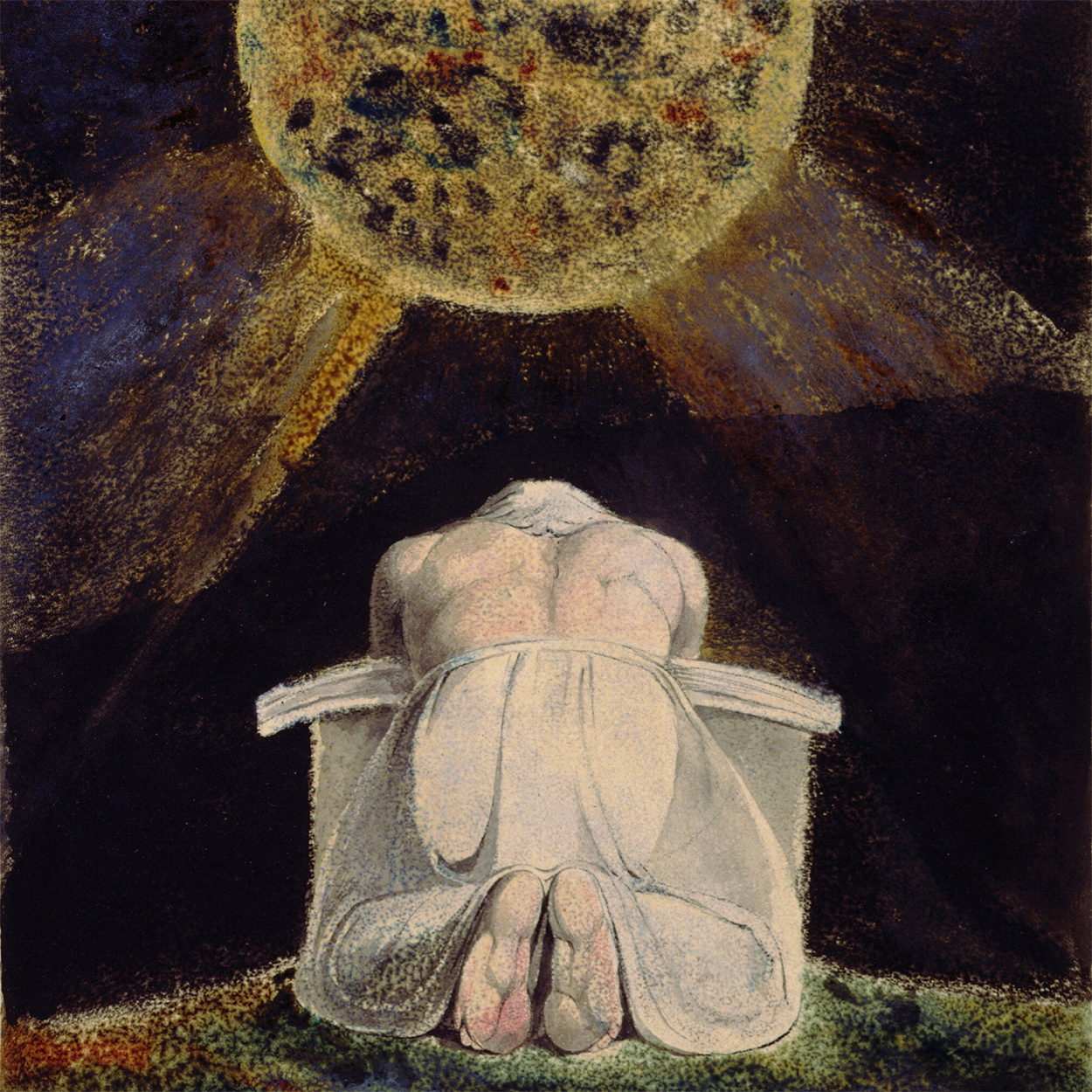
If you think life should be easy, its hardness can feel crushing. But what if this difficulty is an essential feature, rather than a disconcerting mistake?

One of the big religious freedom wins of the last generation has been for religious individuals to have access to the same resources in the public square. Including a case resolved today. Of course, this makes many people unhappy. Rather than engaging the issues on their merits, they often resort to parody and ridicule. Pastafarians, those who claim to worship the flying spaghetti monster, have made a few claims, but their purpose seems to mostly be rhetorical ridicule. The Satanic Temple, on the other hand, is a group created specifically to try to undermine religious freedom claims by making their own offensive claims. These groups are not Satanists in any meaningful sense of the word. The Satanic Temple has recently sued to have an afterschool club at a Pennsylvania elementary school. In my opinion, there are two positions to reasonably take in response. 1) Rely on the Supreme Court’s position that religious accommodations can only be made for sincere religious beliefs. 2) Support them in their religious freedom. I am inclined to take the second. If the club’s purpose is to support rational inquiry, there is no reason they can’t use less offensive symbols. But while that’s obviously not their purpose, subjecting religious beliefs to a judge to decide if it’s sincere or not feels much more problematic over the long term. The reality is that those with sincere religious beliefs will outlast those who are trolling. So open the doors for all faiths, including the trolls, and eventually, they will fall away. But that’s just my first instinct. What do you think?

While freedom of expression will always be important, perhaps we shouldn’t be so quick to provide defensive cover for those making serious errors—especially if that forecloses opportunities to learn and grow.