During this pride month, we wanted to highlight some exceptional podcasts from our Public Square Media family. Some of these episodes focus on LGTBQ issues in the Latter-day Saint community and how we can treat each other with Christlike compassion while still remaining faithful to church doctrines. Other episodes discuss how we can bring an ethic of fidelity and love into our families and the world. We hope you enjoy these diverse and faithful perspectives from our podcasters.
Family Bro Evening
Scott and JC dive right into the controversial church baptism policy and other tough questions facing members in their episode “LGBTQ+ Issues and the Church, featuring Sarah Kemp.” Guest Sarah Kemp talks about coming out on her mission and about why she stays a member of the church even when it’s hard. And in “Musket Fire? Revisiting Elder Holland’s Talk,” Family Bro Evening uses Elder Holland’s speech to BYU faculty about defending the gospel position on the family as a jumping off point to ask how we can better discuss LGTBQ issues as church members.
Pop Culture on the Apricot Tree
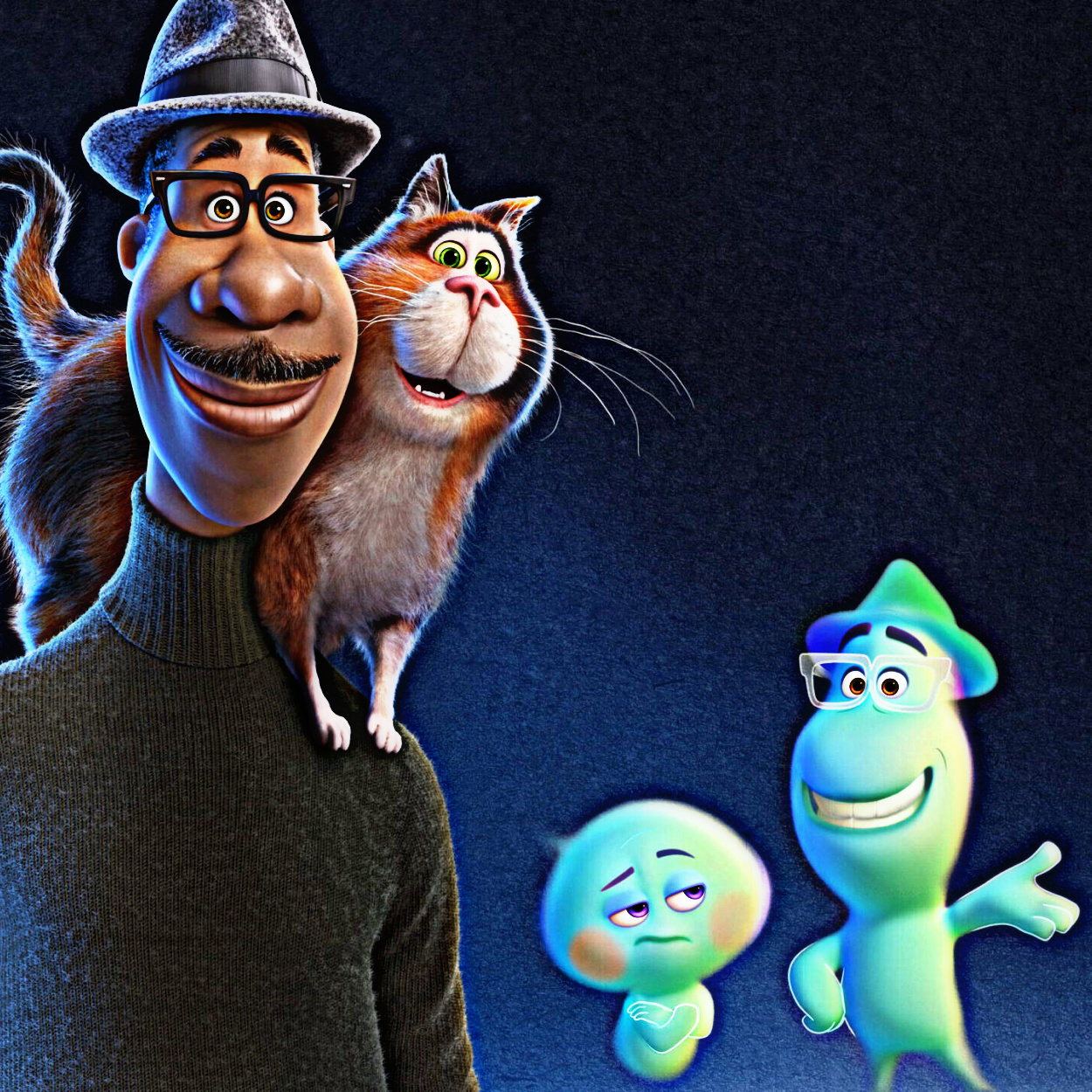
Did you know the Oscar winning movie The Whale was based on a play about a gay Latter-day Saint character? Hosts Liz and Carl get together to discuss the film with Glen Nelson of the Center for Latter-day Saint Arts and David Sandhu to try to ask how we can love and serve in a Christlike way those who chose to live a self-destructive lifestyle. Listen in on their episode “The Whale: To Live A Celestial Life, Sometimes You Have to Stare Into the Abyss.” Or look into another dysfunctional family and how they reconcile their clashing identities in their first episode about the Disney film Encanto.
Radical Civility
Ben and his guests Thomas Stringham and Meagan Kohler get together to discuss “Men Policing Men and the Sexual Revolution.” Has it fulfilled its promise to liberate women or merely allowed bad actors to take further advantage of women? They ask what role can men play in teaching other men proper sexual ethics.
Raising Family
The Raising Family podcast hosts a two-part conversation with Jeff Bennion, founder of North Star, a faith-affirming resource for Latter-day Saints addressing sexual orientation and gender identity. In part one of their conversation, they discuss how identity issues are tied to mental health and what those who want to remain faithful can do to improve their mental health. In part two, Jeff discusses why he chooses not to use an LGTBQ label as well as how he deals with unanswered questions and finds hope in the gospel.
Sit Down with Sky and Amanda
In their episode Teens and Transgenderism (Gospel-centered approach to gender dysphoria), Sky and Amanda discuss what worries them with the rise of transgenderism among teens, but also what brings them hope. They discuss what we know and don’t know, and what they believe is the most compassionate, gospel-centered approach to the issue. And in Our Problems with Pride Month, Sky and Preston talk about their feelings about pride month and why they believe “going against” their own sexuality to be in their best interest.