[et_pb_section admin_label=”section”]
[et_pb_row admin_label=”row”]
[et_pb_column type=”4_4″][et_pb_text admin_label=”Text”]
After a local high school lost a basketball game, students congregated to mimic accusations against one of their own players. The player blamed was my daughter. Overhearing the snarky storm, my younger son reminded them whose team she was on. He spoke out, “That’s my sister.” A single phrase about kinship improved the outcome of the blame game.
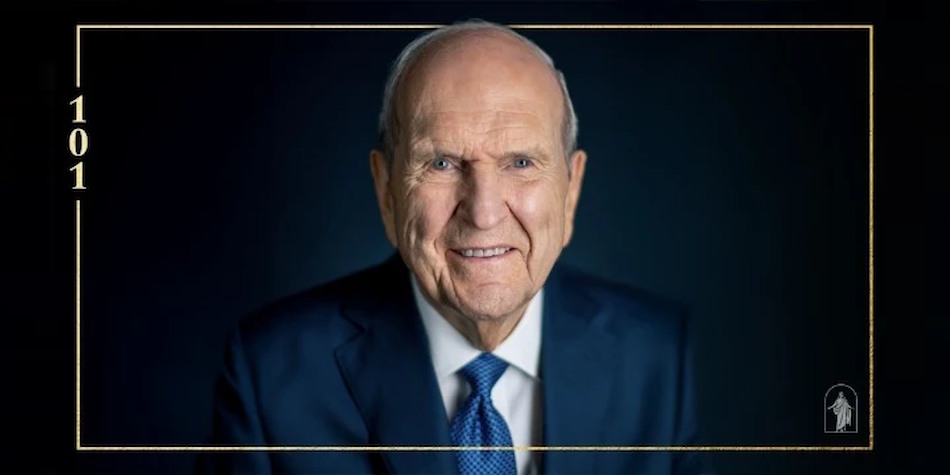
These days, blame often seems to be increasing on any social topic, from immigration issues to sports. News sources fracture rather than promote mutual allegiance. Unwittingly, we train the rising generation to fear. Young people are increasingly anxious, paralyzed by labeling and exclusion. In such a social environment, naming kinship out loud—across congregations and cultures—can cool contempt. That simple practice answers the call for peacemaking of the late President Russell M. Nelson of The Church of Jesus Christ of Latter-day Saints.
Recently, a colleague at Brigham Young University, where I teach, shared her fears for her father. Born to a family living on land within what is now the United States since before 1776, he has experienced harassment in his community, including the phrase “dirty Mexican” in a church hallway. His experience reflects our times. Vicious banter online increasingly tests the limits of our public discourse, and our brothers and sisters pay the price.
News articles cite a spike in fear among Latinos that goes beyond immigration enforcement to social mistreatment. Sensing the upper hand, some antagonists blame our immigrant brothers and sisters and their children for social ills. My work colleague aptly noted, “This is not the America I imagined.”
According to FBI statistics, race/ethnicity/ancestry accounts for most hate crimes. The second category? Religion. People who trash-talk our Muslim and Jewish brothers and sisters are more comfortable speaking out in public. Tragic violence targeting religious groups includes members of the Church of Jesus Christ. When hate speech against our brothers and sisters of other religious faiths moves from whispers to headlines, how might we respond? Christian scripture calls disciples to stand as witnesses and “speak the truth in love,” acting by the Spirit—indifference is never the option.
How Faith Responds
The Good Samaritan showed courage and an instinct to honor the divine in anyone, despite deep differences. Seeing sacred worth when others see a stranger is an essence of many religions. How much more difficult it would have been to pass by the stranger if we had first said out loud, “That’s my brother.”
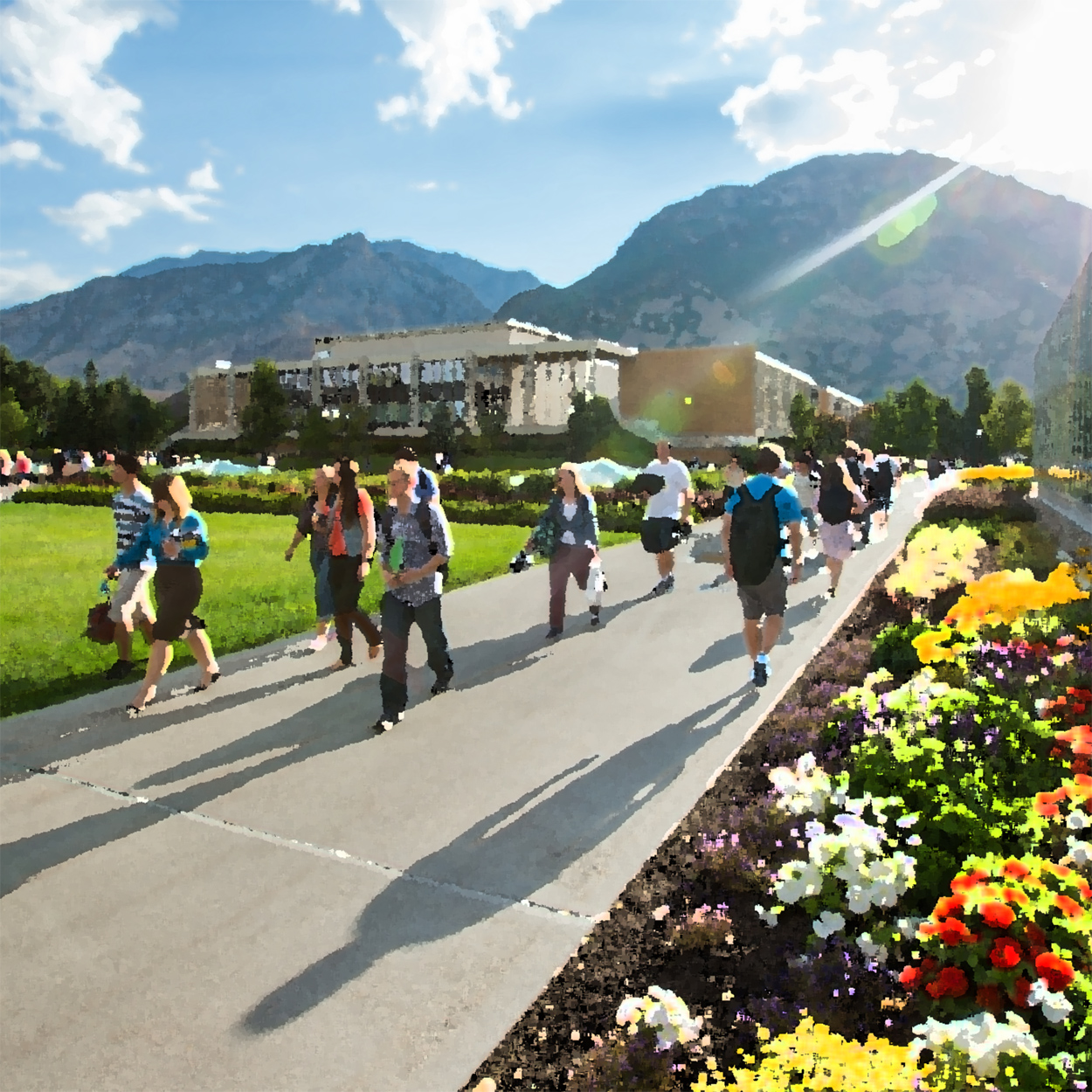
With global religious freedom under threat, a Christian stance with Islam and Judaism aligns with invitations for peacemaking. Peacemaking includes joining together in common causes, advocating for one another’s safety, and refusing to let blame define God’s family. This year’s Palm Sunday celebration in the BYU Marriott Center involved a non-denominational choir, an interfaith choir, and messages from religious leaders of multiple faiths. That’s what public kinship sounds like: voices from many faiths, singing together. These collaborations focus on our shared devotion, and there are limitless opportunities to befriend and learn from others.
Here’s what public kinship can look like in a typical week. A family I know collaborates with a nearby Spanish-speaking Pentecostal congregation. This year, on July 4th, they collected painting supplies and organized a service activity to paint the inside and outside of the church. Friends in a community affirm interfaith initiatives, such as sponsoring services on the National Day of Prayer. An annual music concert in the same community brings together members of about nine faith traditions, sharing the uplifting messages of devotion despite differences. It is not beyond the scope of any person to simply ask friends about the events or celebrations of their faith tradition and then attend them together.
The nation our children inherit must choose: Will we form friendships across faith, culture, race, and language differences, rising above discourses of blame and differentiation? Real solutions entail sacrifice and genuine teamwork—but where do we start? An initial step can be to identify small, daily acts of peacemaking: being respectful of and curious about others’ lived experiences, making an effort to understand how our circumstances intersect with others, and caring before judging in casual conversations. Specific steps can include:
- Intentionally inviting others to share their perspectives to bridge divides, such as asking: “What’s it like for you?”
- When engaging in service for your community or church, go beyond the task to focus on connecting with the people. Serving together can become learning together.
- Greet people warmly. Engaged eye contact throughout conversations works wonders.
- Share what you enjoy, such as music, as a way to learn and connect with what others enjoy.
- When a stereotypical thought comes to your mind about another person, recognize it. Then get to know the person.
- Respond to others’ stereotyping with calmly shared stories that show reality. Avoid lecturing or shaming.
- Let your family and friends know about your intercultural/interfaith interests and invite them to join you at events. Then connect people across groups.
Kinship in Action
In his final years, Nelson repeatedly emphasized the lifting and listening work of peacemaking. Peacemaking comes at a cost of humility, discomfort, and intentional effort. We owe our children, who will inherit this nation, intentional efforts and active engagement in cooperative peacemaking, much like a team. Of course, coordination among imperfect teammates involves missed passes, but perfect teams don’t exist. The blame game does not produce better teams, nor teach the generations watching us.
Each day, children in public schools repeat the promise that our nation creates “liberty and justice for all.” Even with years of repetition, we can forget that freedom for all is the opposite of othering. When we pledge allegiance to the United States of America, it should be to the United States of America. And in recognizing our shared kinship, we can also pledge allegiance to something broader than a nation—a divine family. With that perspective, we can respond to blame calmly, “That’s my sister,” and “Él es mi hermano.” A single shift in perspective can improve outcomes.
My son’s defense of his sister after the basketball game reminds us that family members loyal to one another speak up. We make peace while praying for it. We examine our own biases, especially the tendency to embrace comfort over a plural community. The mercy of a Good Samaritan comes at the price of providing needed care. So, on our own roads to Jericho, what will we do today to connect deeply, not superficially, with people previously outside our social circles? As peacemakers, what will we do today to make peace?[/et_pb_text][/et_pb_column]
[/et_pb_row]
[/et_pb_section]